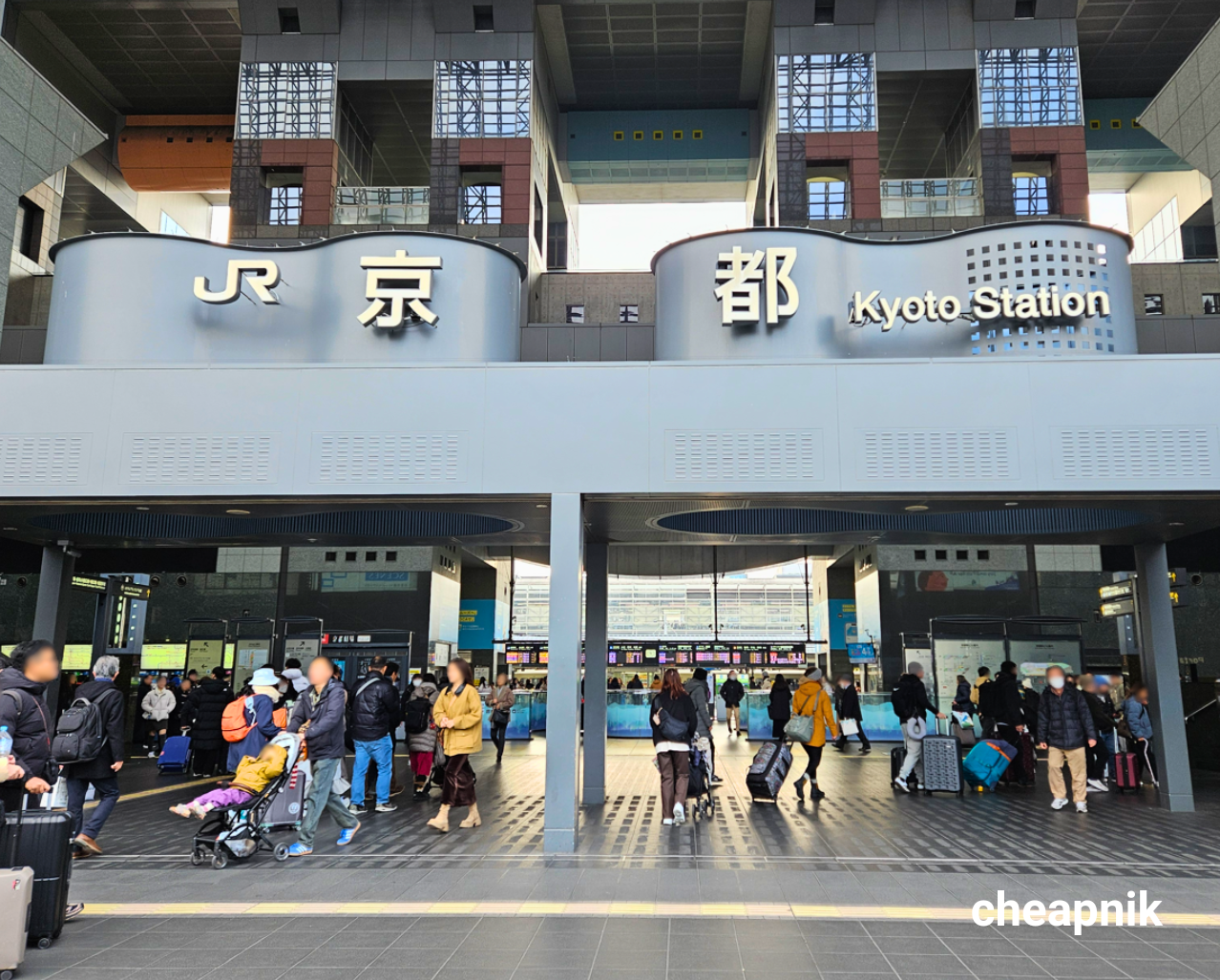
The first time I visited Tokyo I was intimidated by its sheer density and scale (I mean, it’s just the world’s BIGGEST metropolitan city), so I get it when the very first thing you ask about the idea of visiting Tokyo is “Where to stay in Tokyo”?
This guide is the budget-conscious version: the areas that give you the best value without sacrificing convenience, based on multiple trips here myself, so you can spend less time comparing and more time actually enjoying your stay.
Ikimashou!
Table of Contents
- The 7 best areas to stay in Tokyo
- Accommodation options in Tokyo
- Alternative accommodation options
- When’s the best time to book?
- Practical tips before you book
- FAQ
Quick Comparison: Best Areas to Stay in Tokyo
| Area | Price Range | Best For |
|---|---|---|
| Ueno | ¥-¥¥ | Everything (museums, parks, food, nightlife) without the price tag |
| Asakusa | ¥-¥¥ | Traditional vibe, unique tourism ambiance, budget-friendly |
| Akihabara | ¥-¥¥ | Anime/otaku energy, still budget-friendly |
| Shimbashi | ¥-¥¥ | Practical, well-connected, budget business hotels, Haneda Airport access |
| Shinjuku | ¥¥-¥¥¥ | Nightlife, transit hub, hidden budget gems if you look |
| Ikebukuro | ¥-¥¥ | Budget travelers who still want to be central |
| Shibuya | ¥¥¥ | First-time energy, my personal favorite, but expensive |
Tokyo Is Bigger Than You Think
Tokyo is made up of 23 wards, so don’t just search “hotels in Tokyo” and grab the cheapest room you find – you might end up 40 minutes from everything you actually wanted to see. Figure out what you want out of your trip first (shopping and nightlife? temples and old neighborhoods? both?), then pick your homebase around that. Some of these areas are 35-45 minutes apart by train, so choosing a strategic “homebase” will save you some precious time.
The 7 Best Areas to Stay in Tokyo
1. Ueno – Has It All, Without the Price Tag

Given this is a budget guide, Ueno tops the list for a simple reason: it genuinely has everything – museums, parks, street food, nightlife, shopping, and easy airport access – without the price tag that comes with areas like Shibuya or Shinjuku. For me, it’s the single best value-to-experience ratio on this whole list.
Ueno works well as a northeastern homebase thanks to easy access to Ginza, Akihabara, Asakusa, and Tsukiji via the Yamanote Line, plus its own iconic spots right in the area. Ameyoko (aka Ameya Yokocho), the iconic market street running alongside the train tracks near the station, is worth knowing about specifically because the shops and restaurants here convert into bars at night, so it works as both a daytime shopping stop and an evening hangout without you needing to go anywhere else. Ueno Park alone is worth the stay too – it’s home to Ueno Zoo and multiple major museums, including the Tokyo National Museum.
You can also get direct access to Narita Airport via the Keisei Skyliner from Keisei-Ueno Station, which matters a lot if you’re flying in or out of Narita specifically.
Getting around: Ameyoko is your best orientation point for cheap eats and souvenirs. If you want a real sense of what a stay here actually feels like, here’s my review of staying at Hotel Tomariya Ueno.

Here are some of my best hotel picks in Ueno:
- Hostels & Capsules:
- Hotel Tomariya Ueno – overall great value – it’s clean, quiet, and modern with every basic amenity you’d need for a comfortable stay. It’s about 5-7 minutes from Ueno station so it’s a bit of a walk, but the place makes for a great quiet homebase.
- Smart Stay SHIZUKU Ueno Ekimae – pick this over Tomariya if an on-site onsen matters to you; the pods also have real lockable storage, not just a curtain. Check-in doesn’t start until 4pm though.
- Grids Tokyo Ueno Hotel & Hostel – the shared kitchen makes this the pick if you want to save money on even a couple of meals during your stay.
- Budget hotels:
- Hotel Suntargas Ueno – 3 minutes from the station, free laundry and luggage storage, and a real bathtub instead of a shower stall. No kids allowed here though, adults/couples only.
- Toyoko Inn Tokyo Uguisudani Ekimae – walkable to both Asakusa and Ueno, so you’re covering two areas from one base.
- Hotel MyStays Ueno Inaricho – the only one of the four with an actual kitchenette in every room. Trade-off: it’s a bit further from Ueno Station in a quieter residential pocket.
- If you want to spend a little more:
- Hotel Sunroute Stellar Ueno – only 2 minutes from JR Ueno Station, and they have massage services (additional charge) if you’re in need of one after a long day of touring.
- APA Hotel Ueno Ekimae – buffet breakfast included, central location.
- ICI HOTEL Ueno Shin Okachimachi – pick this over the other two if dietary needs are a factor; it’s the only one with an on-site restaurant doing halal, vegetarian, and vegan food.
2. Asakusa – Best Traditional Vibe on a Budget

If I had to pick a second area to recommend to a first-timer on a budget, it’s Asakusa. You get Senso-ji – founded in 628 AD and Tokyo’s oldest temple, plus cheap, amazing street food, and a genuinely old-neighborhood feel that’s rare this close to central Tokyo. Rent a kimono and do the whole rickshaw tour around the area if you’re into that (it’s touristy, but fun), wander Nakamise shopping street on your way to the temple, then grab cheap food and beer along Hoppy Street once it gets dark. Try the giant tempura at Owariya while you’re at it.
Just a few minutes away right across the Sumida River, you’ve got the very modern Tokyo Skytree and the iconic Asahi Beer Headquarters with its gold “Flame” building – a genuinely funny contrast to Asakusa’s old-town streets, and worth the walk over.
Accommodation here is noticeably cheaper than Shibuya or Shinjuku for comparable quality. I’m honestly in love with this area and would stay here every visit – my only real complaint is that Asakusa isn’t a 24-hour area, so a lot of shops close early and the energy dies down faster than you’d expect.
Getting around: aim to stay within a few minutes’ walk of Asakusa Station, which connects the Ginza Line, Toei Asakusa Line, Tobu Skytree Line (plus the Tsukuba Express which is a separate line a few minutes’ walk away), which is rare and genuinely useful. If you’re into browsing kitchenware and quirky shops, Kappabashi is a 10-minute walk away, and Don Quijote Asakusa is good for late-night snack runs.

Here are my hotel picks in Asakusa:
- Hostels & Capsules:
- Hotel Plus Hostel TOKYO ASAKUSA 1 – has an actual sauna, which none of the other three offer, and it’s a genuine 2-minute walk from Asakusa Station if location trumps everything else for you.
- Resol Poshtel Tokyo Asakusa – the quietest of the four by a good margin; guests specifically mention zen music playing and barely noticing they’re sharing space with strangers.
- Yoroi Asakusa Hotel – opened in 2025, so everything’s still genuinely new, and it’s the pick if you want self check-in kiosks and express check-out over dealing with a front desk. Steps from Kaminarimon Gate.
- Sakura Hostel Asakusa – the staff here speak multiple languages including English, which matters more than people expect when you’re jet-lagged and confused.
- Budget Hotels:
- Tabist Urban Stays Asakusa – sits a bit further from the touristy core near Honjo-Azumabashi, which is exactly why it’s quieter than staying dead-center. Good pick if you want Asakusa’s access without the crowds right outside.
- Toyoko Inn Tokyo Minowa-eki – this is the reliable-chain pick over Tabist if breakfast quality matters to you; it’s part of the same trusted Toyoko Inn chain I’ve pointed to elsewhere in this guide.
- APA Hotel Asakusa Tawaramachi Ekimae – rooms are small, but it’s a real hotel and it’s the reliable chain-hotel option if you want privacy without paying Shibuya rates.
- Hop Inn Tokyo Asakusa – 2 minutes from Hozomon Gate, and the rooms run bigger than most Tokyo hotels at this price.
- If you want to spend a little more:
- Onyado Nono Asakusa Hot Springs – the on-site natural hot spring is the reason to pick this one over a plain business hotel at a similar price.
- SAKE Bar Hotel Asakusa – the free sake and the rooftop footbath with a Skytree view is a small but memorable touch you won’t find at a standard business hotel.
3. Akihabara – Best Budget Pick for Otaku/Anime Energy

Akihabara is not just best as a place to visit but it is also a genuinely recommended base – it started as “Electric Town” for postwar electronics shopping and is now the center of anime, manga, and otaku culture, with themed cafes and multi-story game centers lining the main streets. If any part of your Tokyo trip is built around this kind of thing, staying here instead of just visiting saves you a daily commute back to your hotel.
Getting around: well-connected via the JR Yamanote Line and several subway lines, putting Ueno, Akihabara’s own shopping arcades, and central Tokyo all within easy reach – you’re not sacrificing convenience for the niche appeal.

Here are my hotel picks in Akihabara:
- Hostels & Capsules:
- Grids Akihabara – a good budget hostel/hotel hybrid option with dorm beds that gives you the option to upgrade to a private room later in your trip without switching properties.
- &AND HOSTEL AKIHABARA – private rooms here have real space, unlike most capsule setups, and there are only a few rooms per floor, so it stays genuinely quiet.
- Budget Hotels:
- APA Hotel Akihabara Ekimae — literally a 2-minute walk from Akihabara Station, and you get a yukata rope and slippers included, which is a nice touch most budget chains skip. Pick this over Toyoko Inn if being right in the middle of Electric Town matters most to you.
- Toyoko Inn Kanda Akihabara — the buffet breakfast here is genuinely varied (different Japanese dishes daily, not the same thing every morning), and it sits conveniently between both Akihabara and Asakusabashi stations if you want flexibility on which one you use.
- If you want to spend a little more:
- Akihabara Washington Hotel – 1 minute from JR Akihabara Station. Pick this if you want to watch trains and the Electric Town neon from your hotel room window (to do this you have to make sure to pick the right room though).
- APA Hotel Akihabara Ekimae – same as the above, the 1-minute walk from the station is the whole reason to pick this one; you genuinely can’t get closer.
- Dormy Inn Akihabara – has great facilities (including indoor/outdoor baths in traditional Japanese style) at a reasonable price, which is exactly the value gap worth paying slightly more for.
4. Shimbashi – Best for Practical, No-Nonsense Convenience

Shimbashi is a business hub through and through – a classic salaryman district full of after-work izakayas, but that’s exactly what makes it a smart practical pick: the sheer density of business hotels here means genuinely competitive pricing, and you’re a stone’s throw from Ginza, Tokyo Station, and the Imperial Palace without paying Ginza rates to sleep there.
Getting around: this is the area’s real strength – Shimbashi sits on the JR Yamanote Line, Keihin-Tohoku Line, Ginza Line, and Toei Asakusa Line, and it’s one stop from Hamamatsucho, where the Tokyo Monorail departs for Haneda Airport. If you’re flying Haneda rather than Narita, this is one of the more convenient bases on this whole list.

Here are my hotel picks in Shimbashi:
- Hostels & Capsules:
- Shinbashi Kon Hotel – rooms are tiny so go in expecting that, but it’s highly-rated and puts you about 15 minutes from Ginza on foot.
- Hotel Owl Tokyo Shinbashi – pick this over Shinbashi Kon if you want groceries delivered straight to your room and an on-site convenience store.
- Budget hotels:
- APA Hotel Shimbashi Onarimon – there’s an on-site yakiniku restaurant and it’s a reasonable 10-minute walk to Tokyo Tower.
- LOF HOTEL Shimbashi — free morning coffee and a real communal lounge with a washing machine set this apart from a standard business hotel at the same price. About 10 minutes from the station, so it’s not the closest option, but the extras make up for it.
- Hotel Check In Shimbashi — 2 minutes from the station, and it’s got a public bath on the top floor, which is a nice perk. Ginza is a 9-minute walk if you want easy access without paying Ginza rates to sleep there.
- If you want to spend a little more:
- Tokyu Stay Shimbashi – it’s a smart pick if Haneda access matters to your trip, since the monorail connection is a short walk from here.
- Daiwa Roynet Hotel Shimbashi – a reliable, no-surprises business hotel chain if you want consistency over character.
5. Shinjuku – Great Tourism Spot, Look for the Hidden Budget Hotel Gems

Shinjuku is about as central as it gets – the JR Yamanote Line connects you to the rest of Tokyo, and the shinkansen connects you to the rest of Japan. Shinjuku Station also links directly to the Narita Express, which takes you straight to Narita Airport. Plenty of day trips originate from here too, including Disneyland, Mount Fuji, and Kawaguchiko).
Beyond being a transport hub, Shinjuku is a tourist magnet in its own right, known for genuinely energetic nightlife: Kabukicho (also home to the giant “Godzilla” head looming over the Toho building), Golden Gai’s tiny hole-in-the-wall bars, and Omoide Yokocho – better known by its nickname “Piss Alley” – for hole-in-the-wall izakayas. One heads-up: Kabukicho has a “seedy” reputation at night due to touts approaching pedestrians – the area itself is safe, just don’t engage with them – so it’s not the first pick if you’re traveling with kids.
This is genuinely one of the more expensive areas on this list overall – I’m ranking it this low precisely because of that. But it’s not a lost cause for budget travelers: there are hidden gems here that’ll still suit a tighter budget if you know where to look, which is exactly what the picks below are.
Getting around: Shinjuku Station is famously enormous (it’s the busiest station in the world by passenger volume), so I’d pick a hotel by a specific exit – East exit for Kabukicho/nightlife, South exit for the Narita Express. Google Maps struggles inside the station itself, so don’t be surprised if you get lost inside it on your first day (you’ll eventually figure it out).

Here are my hotel picks in Shinjuku:
- Hostels & Capsules:
- 9h nine hours Shinjuku-North – they have continental breakfast and multilingual staff, which can be really helpful.
- ELE Cabin Shinjuku Kabukicho – great, almost central location in Kabukicho.
- Budget hotels:
- Toyoko Inn Tokyo Shinjuku Kabukicho – rooms genuinely run larger than most budget chains at a similar price, which matters more than people expect once you’ve unpacked two suitcases.
- If you want to spend a little more:
- Hotel Gracery Shinjuku – the Godzilla-head building is a genuine only-in-Shinjuku experience, and the location right in Kabukicho is unbeatable if nightlife is a priority.
6. Ikebukuro – Best for Stretching Your Budget

Ikebukuro doesn’t get the hype Shibuya and Shinjuku do, and that’s exactly why it’s a smart budget pick – it’s a major hub on the Yamanote Line, so you’re just as connected as those pricier areas, but hotel and hostel prices run noticeably lower for comparable quality. It’s also less touristy, which means a more local, lived-in feel if that’s something you’re after rather than avoiding.
Don’t mistake “less touristy” for “less to do,” though – Ikebukuro has genuinely great shopping and a high-energy feel of its own, especially around Sunshine City. It’s also a real pick for otaku and anime fans specifically: Otome Road is the area’s own dedicated anime/manga shopping strip, more hyper-focused than Akihabara’s broader, more electronics-heavy scene – so if you’ve read the Akihabara section above and want a different flavor of the same interest, this is where to find it.
Getting around: Ikebukuro Station itself is a maze – it’s genuinely one of the busiest stations in the world – so pick a hotel near a specific exit close to whatever you’re prioritizing. The East exit puts you near Sunshine City, Otome Road, and its aquarium/observatory; the West exit is quieter and more residential. Budget a few extra minutes the first time you try to navigate the station, you might get a little lost at least once.

Here are my hotel picks in Ikebukuro:
- Hostels & Capsules:
- Sakura Hotel Ikebukuro – it has a 24-hour shared cafe on-site, which matters if you land at odd hours and just want a beer and a place to sit before checking in.
- Budget hotels:
- Super Hotel Premier Ikebukuro Natural Hot Spring – this is the pick if you want to actually unwind after a day of walking: on-site onsen, a genuinely good breakfast, and free evening drinks.
- Tokyu Stay Ikebukuro – the practical choice over Super Hotel if you’re staying more than a few nights, just a 4-minute walk to the station.
- If you want to spend a little more:
- Dormy Inn Ikebukuro Hot Spring – the free evening ramen and on-site onsen genuinely elevate this above a standard business hotel at a similar price point.
- Mimaru Tokyo Ikebukuro – apartment-style rooms make this the pick if you’re traveling as a family or small group and want actual separate sleeping/living space instead of one hotel room.
7. Shibuya – My Favorite. Best for First-Time Energy, But Last Because of the Price

Full disclosure: Shibuya is my favorite place in Tokyo, and I go back multiple times every single visit. But I have to rank it last in this guide specifically because it’s genuinely the most expensive area on this whole list – at least it made the list tho. 😛
The sheer energy of the place is what gets me every time – the Shibuya Crossing scramble, endless shopping and dining, and the largest Don Quijote in Tokyo (fittingly called “Mega Don Quijote”). If you want to experience one of Tokyo’s sky observatories, Shibuya Sky is right here too. Trendy Harajuku is well within the city of Shibuya, and Shinjuku Station is just a few minutes away by train. The big-city energy of this place genuinely matches New York City’s Times Square, so if that’s the vibe you’re after, this is it.
The catch: it’s almost impossible to find decently priced accommodation here. If budget is a real concern, consider a base a few stops out and just train in – Tokyo’s transit is fast enough that this barely costs you time (just remember trains don’t run 24/7).
Getting around: the Hachiko exit is the one everyone photographs and the busiest exit by far – if you want quieter mornings, look for a hotel closer to the New South or Miyamasuzaka exits instead, still an easy walk to the crossing.

Here are my hotel picks in Shibuya:
Heads up! Shibuya’s hotel stock is limited and constantly in high demand (and can be very expensive) and does get fully booked for months ahead so do plan ahead if you want to book these properties.
- Hostels & Capsules:
- BookTeaBed Shibuya – a library-themed capsule hotel, included here specifically because it’s one of the few genuinely cheap options that still feels designed rather than purely functional, which matters in an area this expensive.
- If you want to spend a little more:
- Shibuya Excel Hotel Tokyu – sitting directly above Shibuya Station, with some rooms overlooking the Crossing itself, this is the pick if location is worth paying a premium for over anything else.
Accommodation Options in Tokyo
From capsules to love hotels, Tokyo has more accommodation variety than almost anywhere else. Here’s what’s actually available to you.

Hotels
Thousands of hotels to choose from, catering to every taste – Japanese-style, Western-style, quirky themed rooms, you name it. One thing I’ve noticed: APA-branded hotels are everywhere in Tokyo and in every major Japanese city, so you’ll recognize the name fast. I usually compare prices across Booking.com, Expedia, and Agoda since they all carry slightly different inventory. You already know what a hotel is, so I won’t bore you further – moving on.
Hostels / Capsule Hotels
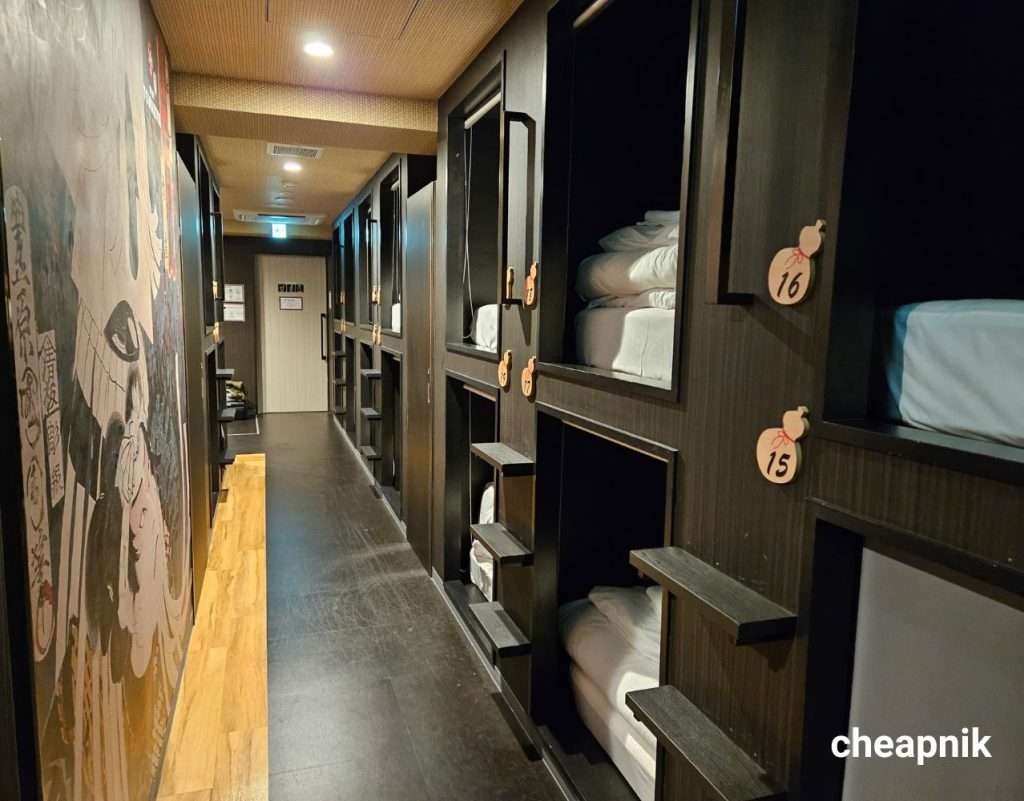
After hotels, there are thousands of hostels (capsules included) to suit every budget. Perfect for solo travelers – not only are they cheap, they’re usually centrally located, and you get to mingle with fellow travelers if you’re up for it. Book ahead though: prices can climb to match a hotel’s if you wait too long, and rooms run out fast.

Airbnb Rentals
A great value option if you’re traveling with family or a group, since you split the cost of an entire apartment – a lot cheaper per person than hotel rooms that cap how many people can stay. Bonus: you’re often tucked into quainter, more local neighborhoods you wouldn’t otherwise get to explore. The downside: there’s no front desk, so check-in/check-out coordination with the host is on you.

Traditional Japanese Inns (Ryokan)
Not just a place to sleep – Ryokans are a cultural experience on their own. Some higher-end ryokans don’t take foreign bookings since they rely on local, referral-based clientele, but plenty are open to international guests through Expedia and Booking.com.
Alternative Accommodation Options (Your Backup Plan)
These aren’t your main options – think of them as what to do when a proper room is too expensive for the night, or you’ve missed the last train home.

Internet Cafes
Japan has a ton of 24-hour internet cafes with private little rooms – a computer desk for surfing/gaming, plus a comfy armchair or flat mattress to crash on. You can’t really book these online (the one exception I know of is Booth Netcafe & Capsule) – you just walk up to the front desk and ask, charged cheaply by the hour.

Karaoke Rooms
Chains like Big Echo (check all Big Echo locations here) let you rent a room to sing with friends, or just crash for the night if you’ve missed your last train. Same deal as internet cafes – walk in, ask for a room, pay by the hour.

Love Hotels
Usually for couples, but if you’ve failed to plan ahead and hotel prices have gone sky-high, love hotels (common in Shibuya and Shinjuku) can genuinely come in cheaper. You walk in to book, so have your basic Japanese ready (how much, for two please, what time is checkout, etc), use your phone calculator to confirm price with the attendant, and expect they may turn away tourists just to avoid the language hassle – be patient and polite about it.
When’s the Best Time to Book a Tokyo Hotel?
Once you’re done reading this, the next step is actually booking that room. So when’s the cheapest time to do it?
There’s no magic date, but one thing’s for sure: book too close to your travel dates and you’ll get slapped with inflated rates and fewer options. Can’t stress this enough. Start familiarizing yourself with prices for your desired hotel or area about 3 months out, so you’ve got time to compare.
Compare rates for two weeks – prices for a specific room change almost daily, so by then you’ll know if it’s cheaper than yesterday or not. Decide while your options are still open, because Tokyo hotels genuinely do max out fast, especially the central, popular ones.
Cheapnik tip: If you’re torn (and you will be – there are a lot of pretty hotels in Tokyo), head to Booking.com, Expedia, or Agoda and take advantage of free cancellation. Sometimes it costs a few dollars more, but it’s worth it to secure a room as a safety net while you keep comparing – free cancellation is usually valid up to 1-3 days before your stay, so just make sure you’ve decided by then. If you find something better, cancel the first booking and grab the one you actually want.

Practical Tips Before You Book That Tokyo Hotel
Tip #1: Prices differ a lot depending on which area you pick
We all know Tokyo hotel rooms are expensive, especially in Shibuya and Shinjuku – but did you know you can book something newer and roomier in Asakusa for a lot less? You don’t have to stomach the steep price tag when equally good areas are just a train ride away.
Tip #2: Book near a train station – this isn’t optional
You’ll be doing a lot of walking in Tokyo regardless, so saving a few steps to and from the station makes a real difference by day three. If you want to only use the Tokyo Metro unlimited subway pass for your whole stay, make sure your hotel is near a station serviced by Tokyo Metro specifically. And remember: trains don’t run 24/7, so pick a homebase you can actually get back to before they stop.
Tip #3: Booking for longer stays might be cheaper than booking per night
I’ve tested this myself – book one night, then try four consecutive nights or a week on the same app, and you’ll see the per-night rate drop the longer you stay. If you’re in Tokyo a week, consider if sticking with one hotel instead of hopping around will save you more moolah.
Tip #4: Check if your accommodation stores luggage before/after your stay
Some budget hotels and hostels won’t hold your bags on your check-in or check-out day. Fine if you’re traveling ultralight, a real problem if you’re not. If you’re eyeing a BnB with no front desk at all, assume it’s a no.
Tip #5: Read the fine print on capsule hostels
Some budget capsule/bathhouse-style hostels (especially ones that cater to locals who missed their train) require you to check out and back in every single day, even for multi-night stays – luggage and all. A lot of travelers don’t find this out until they’ve already paid for the whole stay, which is a genuinely unpleasant surprise.
Tip #6: Confirm they actually have luggage lockers
Some budget hostels simply don’t have any space to store your bags. You dont know how many times I’ve had to sacrifice booking a great value hostel with a perfect location just because of this (no option to leave it at the front desk for a day) so make sure to read the fine print before booking or consider just not bringing a luggage with you and just buy a cheap luggage when you’re almost done with your stay in Tokyo.
Tip #7: Check services, amenities, and house rules
Free breakfast is a given to look for, but also check things like towels/toiletries (so you can pack lighter), check-in/out flexibility, and room size – even 3-star rooms can run cramped by international standards, which matters if you’re traveling in a group or with big suitcases. If you’re jumping between cities, also check whether your hotel supports a luggage delivery service – not all of them do. Checking out these little, minute details will come a long way to guarantee yourself a hassle-free stay in Tokyo and the rest of Japan.
Tip #8: Plan your last night around your departure
If your flight out is early, try to book a hotel a few steps from whichever line gets you to the airport – for example, near Ueno or Nippori Station if you’re taking the Keisei Skyliner, or near Tokyo, Shinagawa, Shibuya, or Shinjuku Station for the Narita Express. If your flight’s in the wee hours when trains aren’t running, you’re safer just booking near the airport itself.
Tip #9: Just be decisive already
You’ll be spoilt for choice searching for the “best” Tokyo hotel, and before you know it you’ve run out of time and prices have already climbed. After weighing the tips above, just book the room – you don’t want to be in Tokyo without a bed for the night because you couldn’t decide in time.
FAQ: Where to Stay in Tokyo
What’s the best area to stay in Tokyo for first-timers on a budget?
Ueno is my top recommendation – it’s a lot cheaper than Shibuya or Shinjuku yet it has a little bit of everything you’d want for a Tokyo visit – parks, museums, great train connections to the airport and the rest of Tokyo, shopping, oh-so-good food, great nightlife, and budget-friendly, you ask? Ueno it is.
Which area is cheapest to stay in Tokyo?
Ikebukuro and Shimbashi tend to offer the best value while still keeping you well-connected via train – Ikebukuro because it’s a major transit hub that just doesn’t get the tourist premium Shibuya and Shinjuku do, and Shimbashi because its density of business hotels keeps prices genuinely competitive.
Is it better to stay near Shibuya or Shinjuku?
Depends on what you’re prioritizing. Shibuya has the bigger “wow factor” for a first visit – the Crossing, the shopping, the energy – but it’s genuinely the more expensive of the two, even for a basic hostel bed. Shinjuku offers a bit more accommodation variety at a slightly lower price point, plus easier access to day trips and the Narita Express, and its nightlife scene (Golden Gai, Omoide Yokocho) is arguably more distinctive than Shibuya’s.
Do I need to stay near a JR Yamanote Line station?
Not strictly, but it makes getting around dramatically easier since the Yamanote Line loops through most of the areas in this guide – Shibuya, Shinjuku, Ueno, Ikebukuro, Shimbashi, and Akihabara are all direct stops on it. Asakusa sits just off the loop but can still be easily reached via connecting lines.
What’s the best area if I’m traveling with family or kids?
Asakusa or Ueno. Asakusa has that quaint, old-neighborhood feel and isn’t overwhelming at night; Ueno gives you Ueno Park, the zoo, and several major museums within walking distance of your hotel. I’d avoid Shinjuku with young kids specifically because of the Kabukicho nightlife concentration nearby.
How far in advance should I book my Tokyo hotel?
Start comparing prices around 3 months out, then narrow it down in the final two weeks since rates for a specific room change almost daily. Central, popular hotels do sell out fast, so don’t wait until the last minute assuming something will still be available.
Related Guides for Your Tokyo Trip
- How to Buy and Use the Tokyo Subway Ticket
- Haneda Airport to Tokyo (and Back)
- Narita Airport to Tokyo (and Back)
- Welcome Suica and Pasmo Passport Guide
- eSIM / SIM Card / Pocket WiFi Guide
- Japan Rail Pass Guide
Have any questions, or tips of your own? Drop them in the comments below! 🙂