
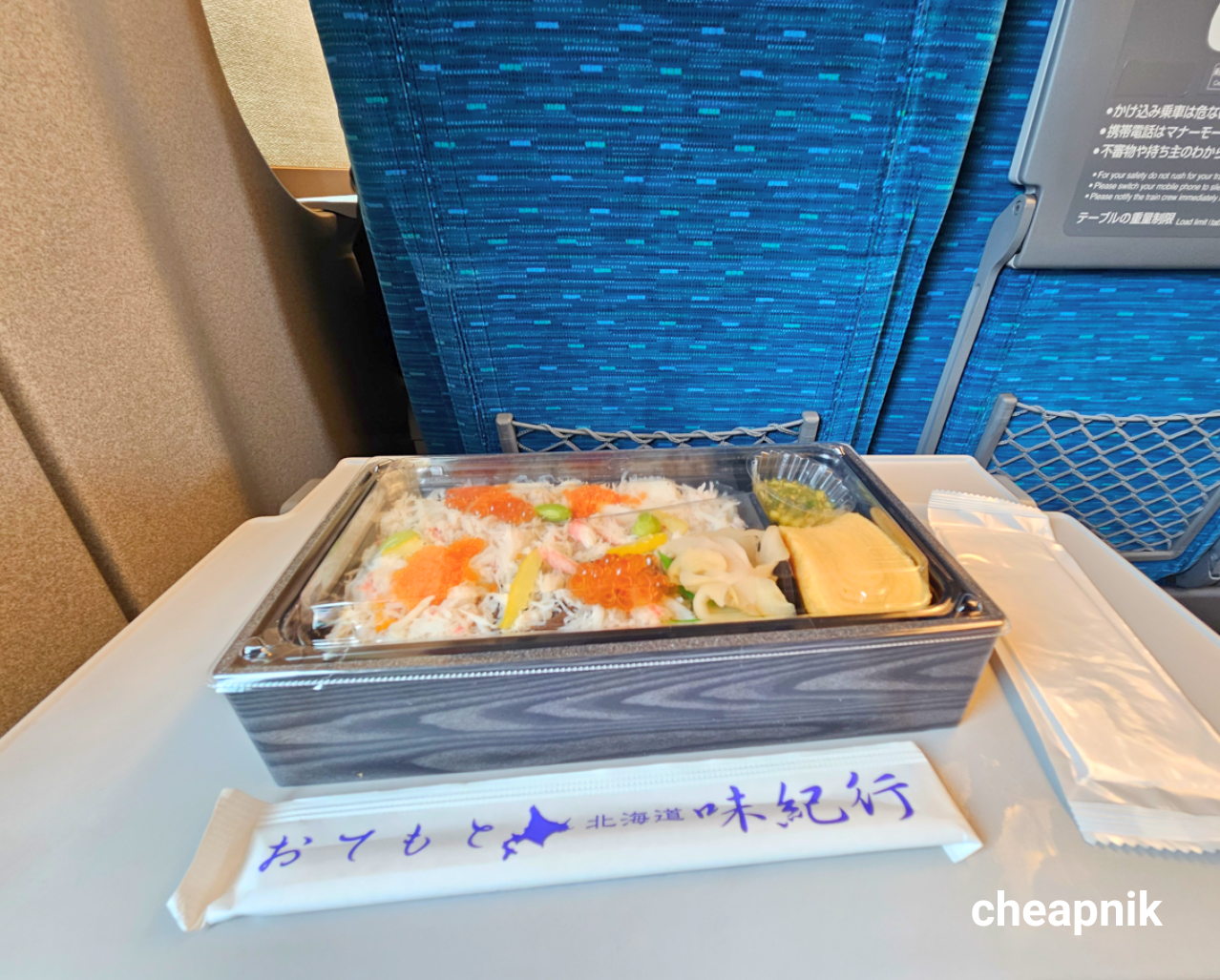
If you’ve ever walked through a Japanese train station and wondered what all those beautifully packaged bento boxes are, you’re looking at ekiben.
Ekiben are Japan’s famous train bento, often featuring local ingredients, regional specialties, and food traditions from the area you’re traveling through. Some are simple and familiar; others come in elaborate boxes and containers that are almost souvenirs themselves.
In this guide, I’ll explain what ekiben are, where to buy them, what to look for, and how to enjoy one on the train – so you can confidently pick one the next time you’re standing in front of a station shelf full of tempting options. (This is one piece of my complete Shinkansen guide for first-timers, if you’re still working through the rest of your trip.)
What ekiben actually is
Ekiben is a combination of two words, eki (station) and bento (boxed meal), and it refers specifically to bento sold at train stations for eating on the journey. It’s not the same thing as a convenience store bento, the whole point of ekiben is that it’s tied to a specific place, built around local ingredients, local specialties, sometimes packaged in a container shaped like something regional.
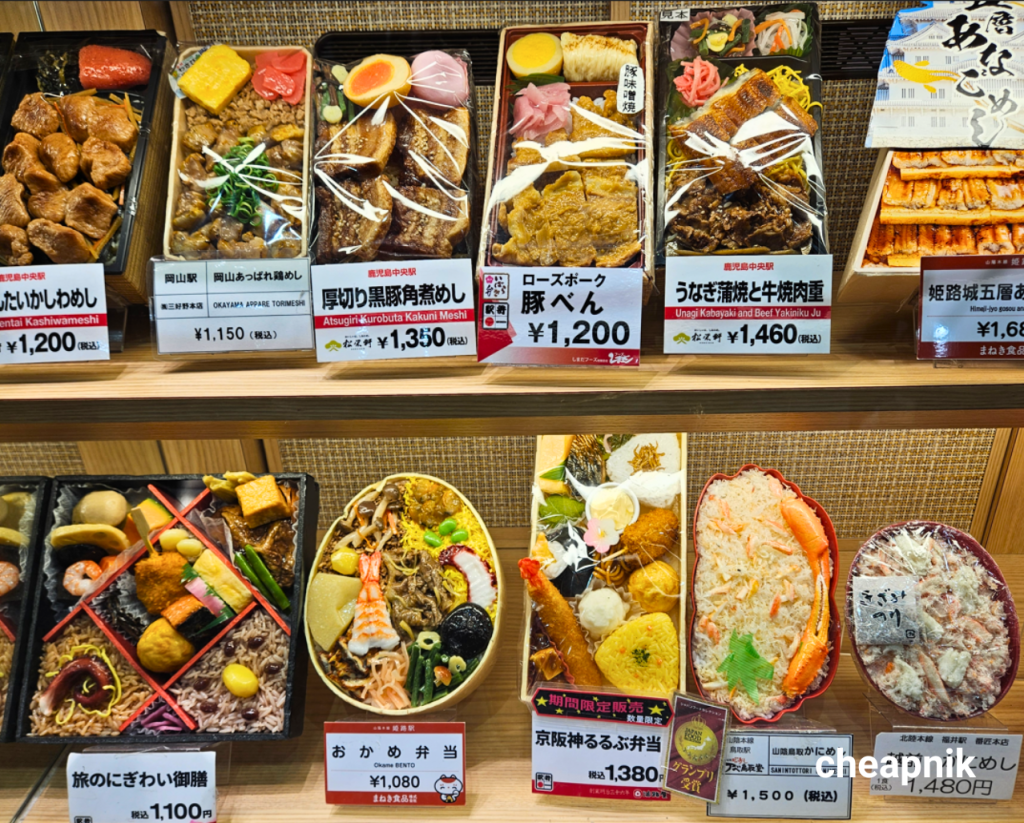
The tradition goes back further than you’d probably guess. The generally accepted origin story places the first ekiben at Utsunomiya Station in 1885, simple onigiri rice balls and pickled daikon, sold to passengers on Japan’s newly opened railway. From there it slowly evolved into the elaborate, multi-compartment boxes you see today, and it boomed alongside rail travel through the 20th century.
The two categories worth knowing
Once you understand this split, choosing an ekiben stops being a guessing game.
- Makunouchi bento: The generalist category, found at stations all over the country. Rice, grilled fish, pickles, a reliable, well-balanced meal that isn’t tied to any specific region.
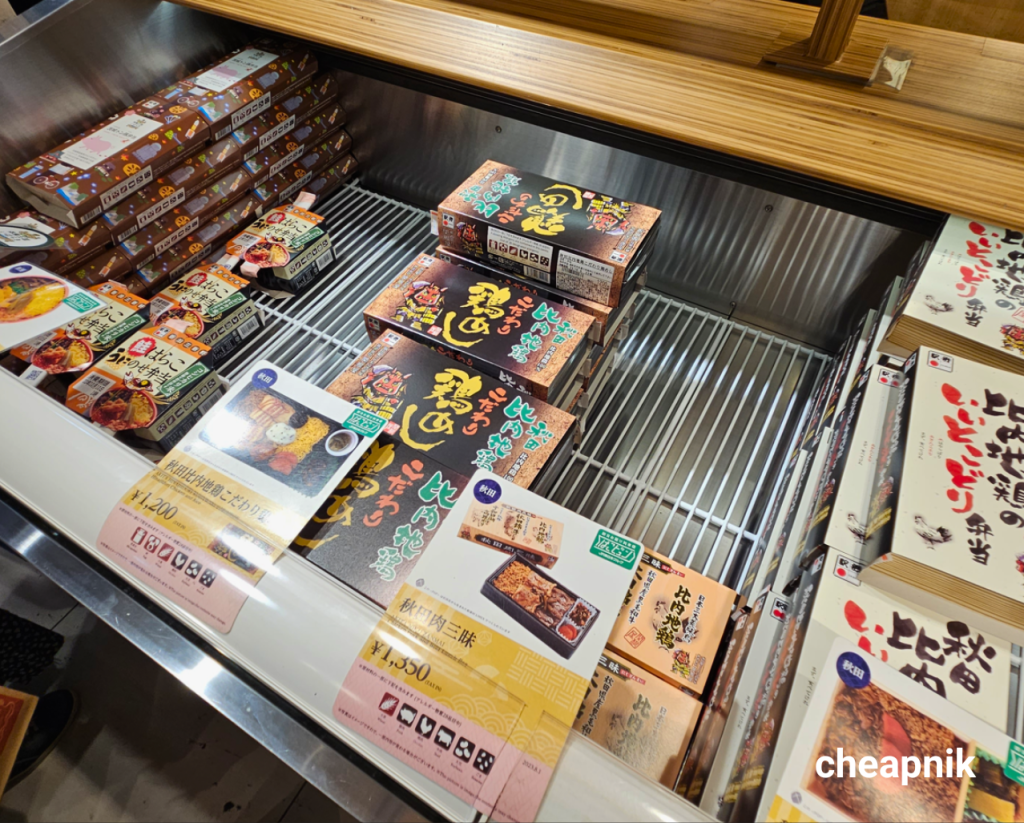
- Regional specialty ekiben: The reason people actually seek these out. These are built around what the area is known for, seafood in Hokkaido, wagyu in places famous for beef, a specific historical dish tied to that exact station. Sometimes you’ll only find a particular one at a single station in the entire country.
If you’re trying to actually taste your way through a region rather than just eat something on the train, the regional specialty is what you’re looking for, and it’s worth checking the label or asking, since the two categories sit side by side on the same shelf.
Where to actually buy one
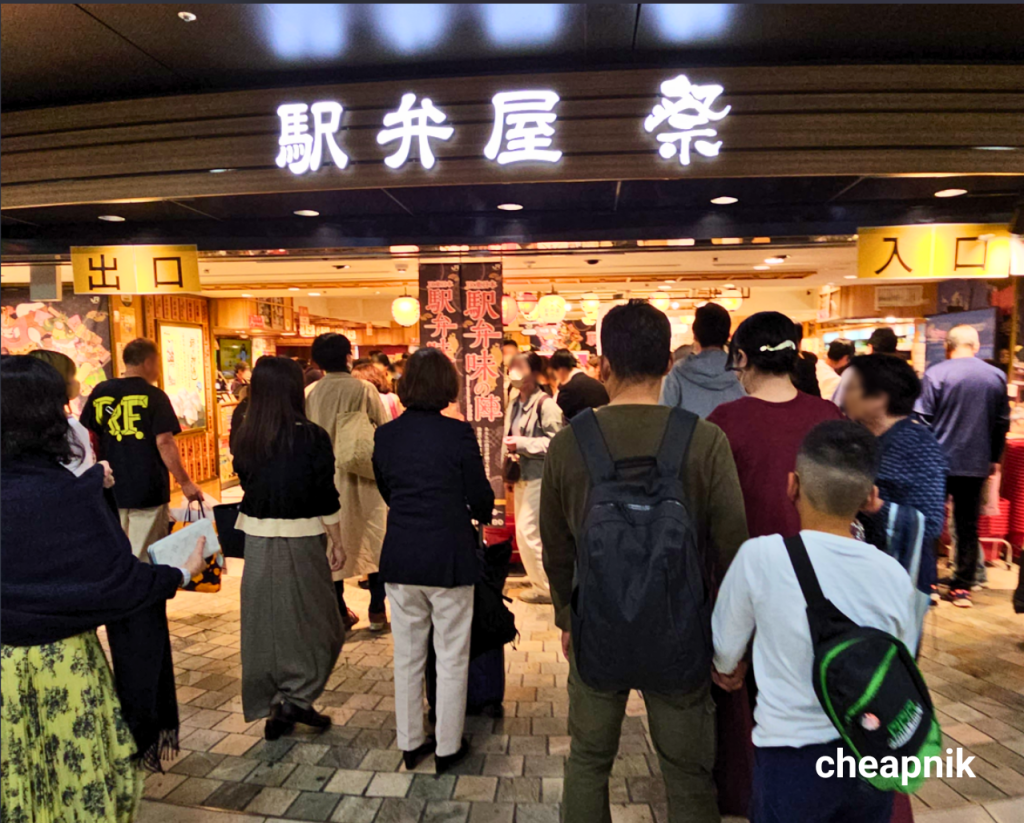
- Ekibenya Matsuri at Tokyo Station is the single best introduction if you’re starting in Tokyo. It’s a shop dedicated specifically to ekiben from all over the country, not just Tokyo’s own, so you can pick up something from a completely different region before you’ve even left the station. Expect it to be crowded during peak times.
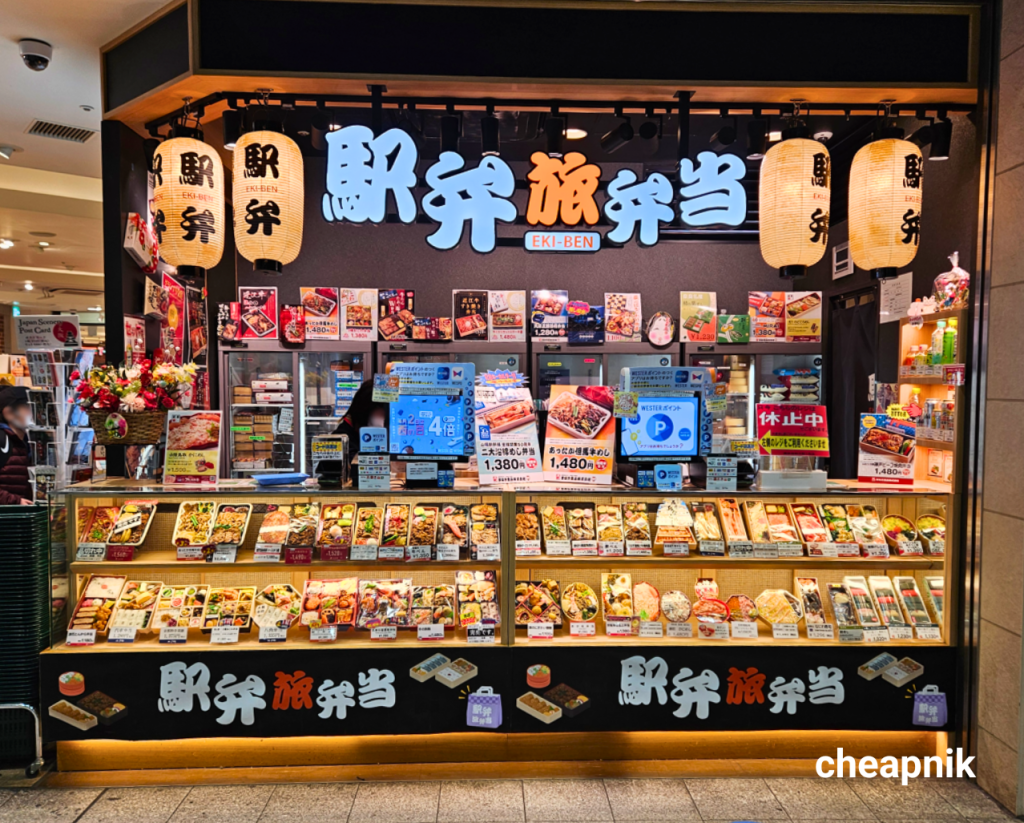
- Station kiosks and platform shops – the most common source, especially outside Tokyo. Selection is usually tied to that station’s own regional specialties.
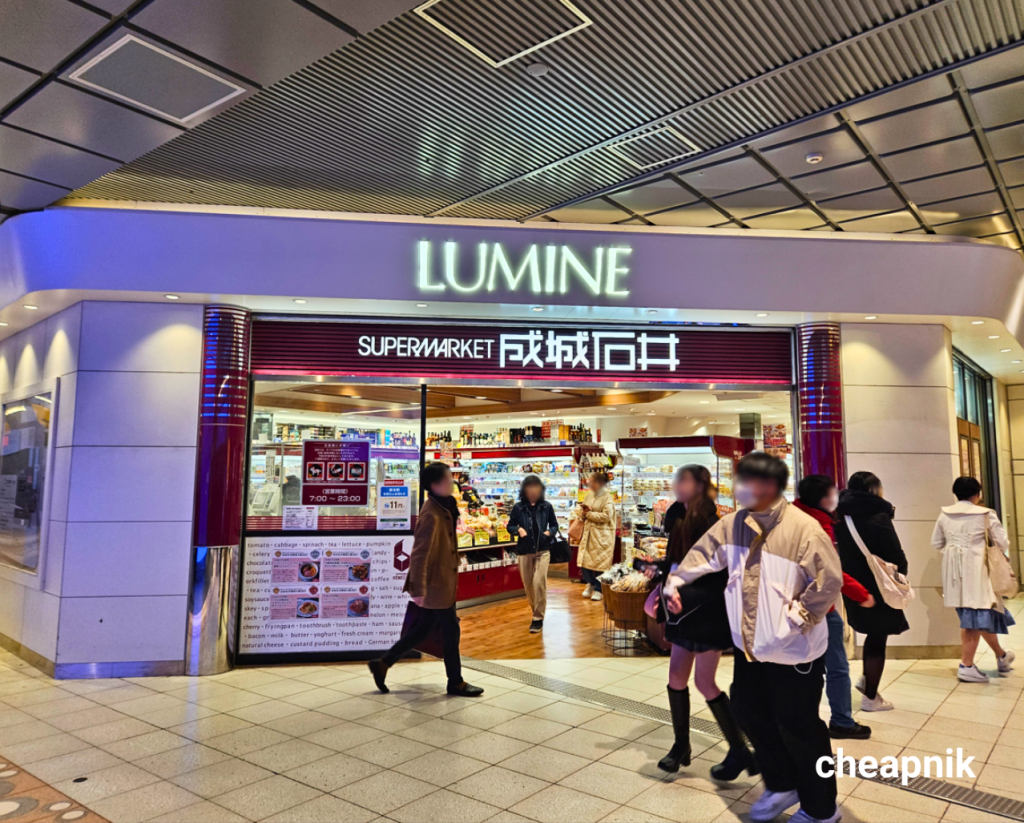
- Department store food halls (depachika), which often carry a rotating selection of well-known ekiben from around the country, useful if you want to try something famous without traveling to its home station.
- Convenience stores near the station, a solid backup if the dedicated shops are sold out or closed, though the selection skews toward the generalist makunouchi type rather than regional specialties.
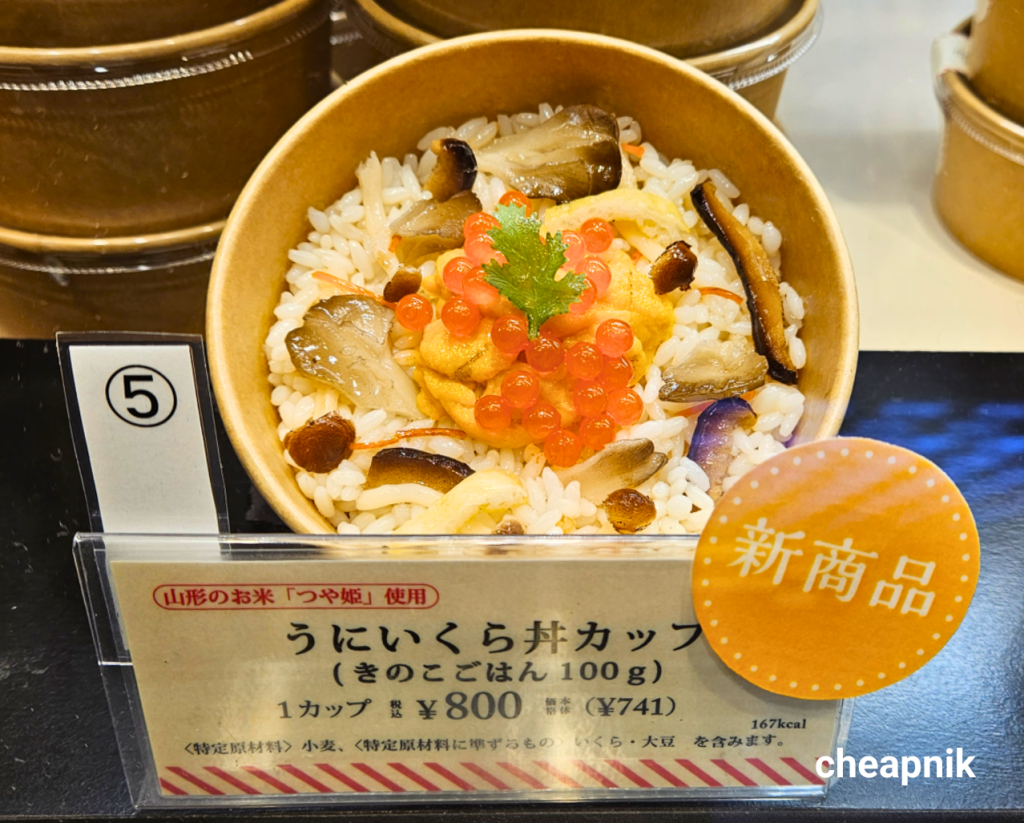
Timing matters more than people expect. Popular regional ekiben, especially ones tied to a single station, can sell out well before a busy departure window. If there’s a specific one you’re chasing, don’t leave it for the last five minutes before boarding.
Eating it on board, the etiquette part
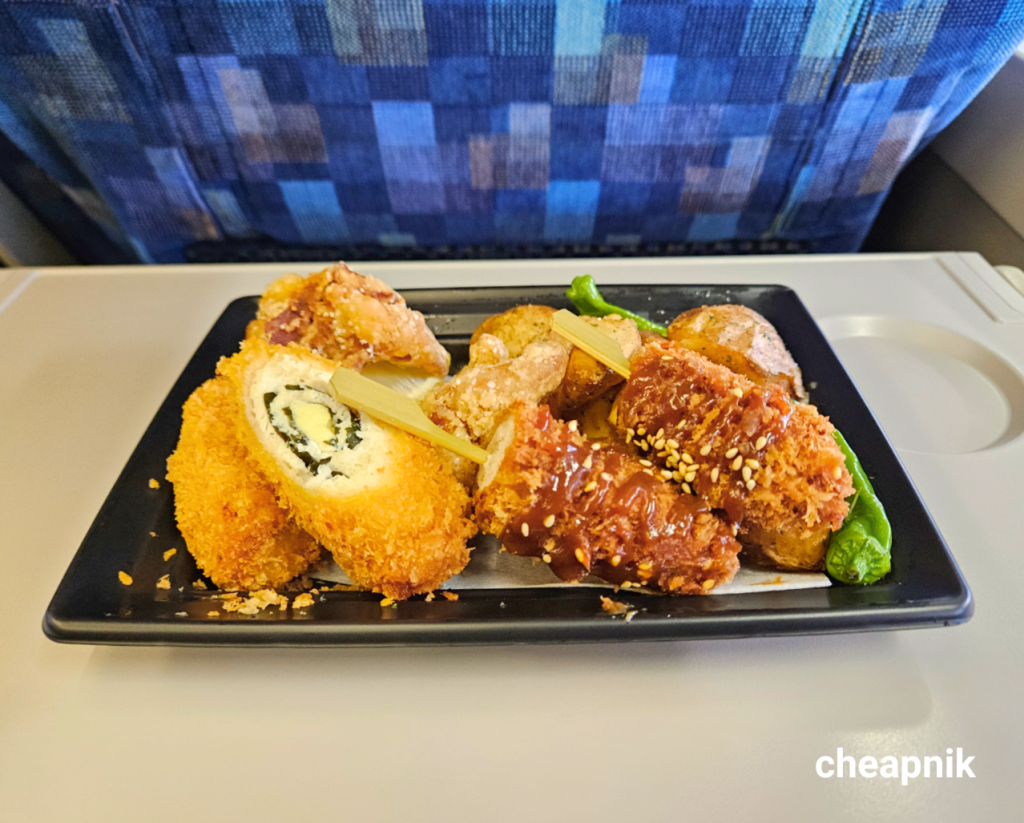
Eating ekiben on the Shinkansen isn’t just tolerated, it’s genuinely part of the culture, so don’t feel like you need to rush or hide it. A few things worth knowing:
- There’s no shame in the smell or the sound, this is completely normal train behavior in Japan.
- Trash doesn’t go in a bin at your seat, since there isn’t one, take it with you to the waste bins near the deck area between cars.
- If you’re short on time before boarding, buying one in the station concourse beforehand is easier than trying to browse once you’re already on the platform.
I’ve gone into more detail on general onboard etiquette in my Shinkansen boarding and platform guide, worth a read if this is your first ride.
Turning it into your own thing
Ekiben rewards curiosity more than research. Every time I’ve grabbed one somewhere new, it’s told me something about that specific place, what it’s known for, what’s actually grown or caught nearby, sometimes what the local container-making tradition looks like. That’s a genuinely different souvenir than a photo of a landmark.
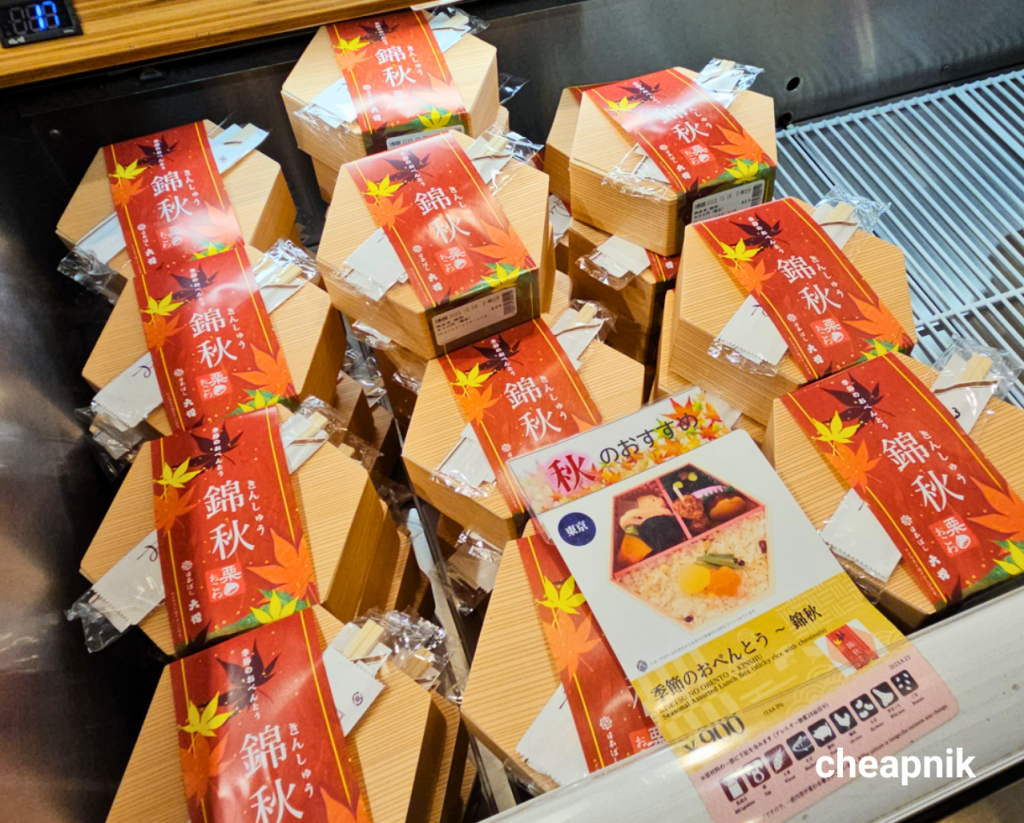
If you’re the kind of traveler who likes a small project on a longer trip, treat it like a running log. Grab one at every station you pass through with more than a few minutes to spare, snap a photo before you open it, and see what pattern emerges by the end of the trip. You’ll end up with a personal record of the country built one box at a time, and if regional specialties are what you’re after, you’ll naturally end up trying things you’d never have thought to look for otherwise. It’s also a nice side benefit of a regional rail pass if your trip is built around hopping between smaller stations in one area rather than racing between the big cities.
If you’re at the train station and just grabbed your ekiben for your Shinkansen ride, the next step would be to actually find your train to make sure you get to your destination – check out my blog post on how to board the Shinkansen to get you up to speed.


