Opens in a new tab

Kappabashi: The Guide to Tokyo’s Kitchen Town

Nearly a kilometer of shops selling knives, kitchenware, ceramic plates and bowls, and even plastic food you’ll want to take home.
Kappabashi Dougugai Kitchen Town

If you’ve ever dreamed of taking the izakaya to your home by outfitting your kitchen with Japanese kitchen tools, wares, or even decors – or maybe you just love browsing quirky shops and maybe find something interesting – then Kappabashi Dougugai Kitchen Town (かっぱ橋) or simply Kappabashi-Dori or Kitchen Town in Tokyo is a must-visit.
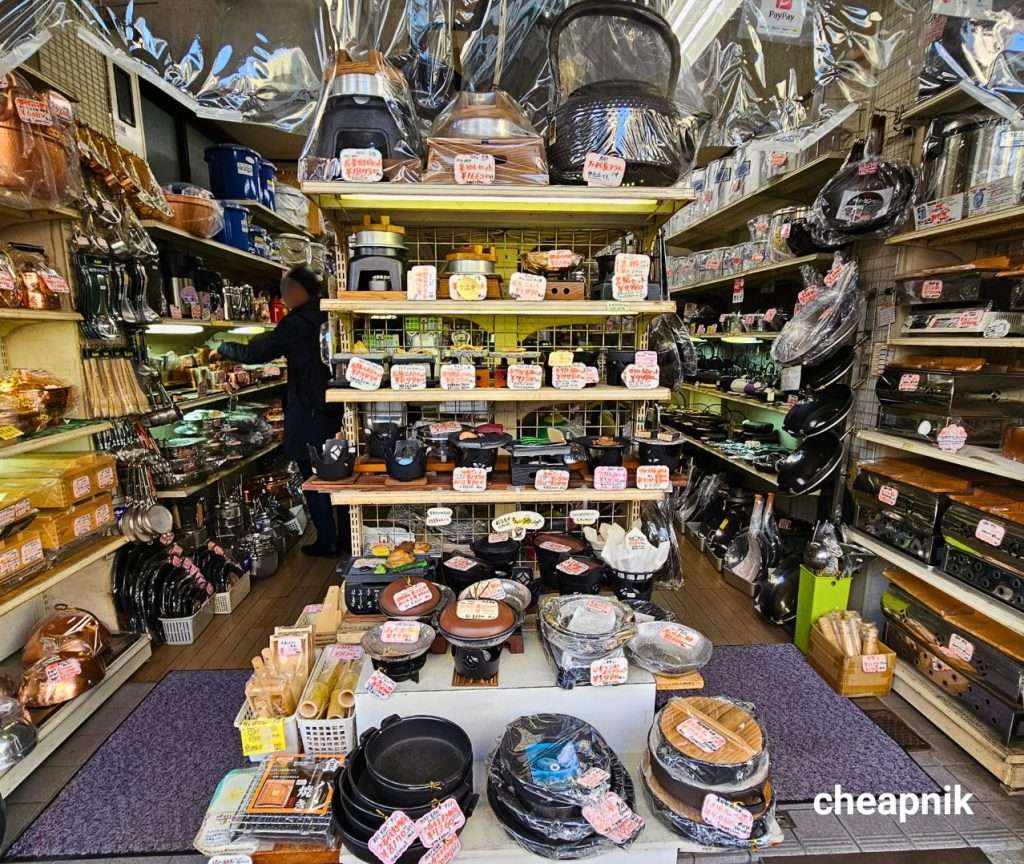
Cookware and kitchen tools shop in Kappabashi Dougugai Kitchen Town
One of the shops selling an eclectic mix of cookware and kitchen tools along Kappabashi.

This street between Asakusa and Ueno is nicknamed “Kitchen Town” for good a reason: it’s a compact district of specialty shops for the food trade selling everything from Japanese knives, cookware, tableware, packaging, signage, lanterns, to the ultra-realistic sample food displays you’ve probably seen outside restaurants in Japan. Stretching almost a kilometer with more than 170 shops, Kappabashi-dori is Japan’s biggest street dedicated entirely to kitchen tools and restaurant supplies. It has served restaurants for over a century and they also welcome individual shoppers and tourists so you can buy one item or kit out a whole kitchen.
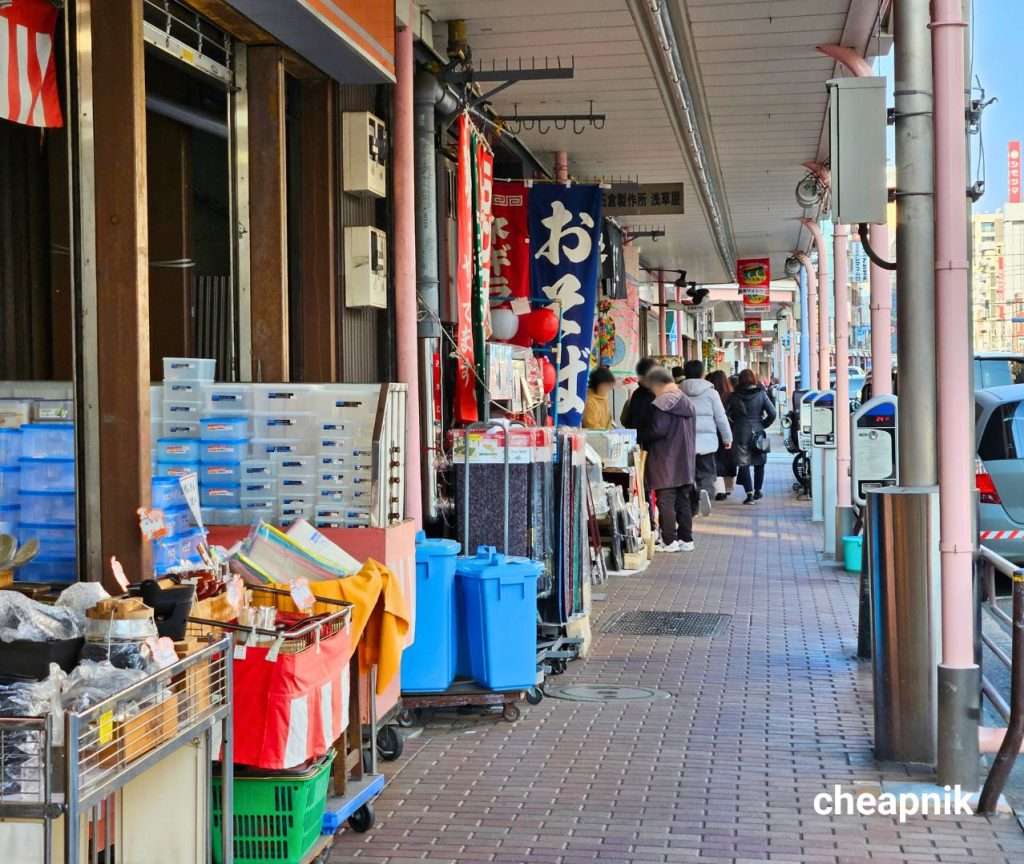
Walking along Kappabashi Dougugai Kitchen Town

The first time I strolled through Kappabashi, I had no plans to buy anything. But within minutes, I was seriously debating whether I needed a sushi knife, a taiyaki maker, a stack of ramen bowls, a tamagoyaki pan, or a perfect replica tempura shrimp to take home as a souvenir. It’s that kind of place that’s whimsical and entirely addictive yet very practical as well – its this surreal mix of experiences that makes Kappabashi worth checking out.

Things to Check Out at Kappabashi Kitchen Town
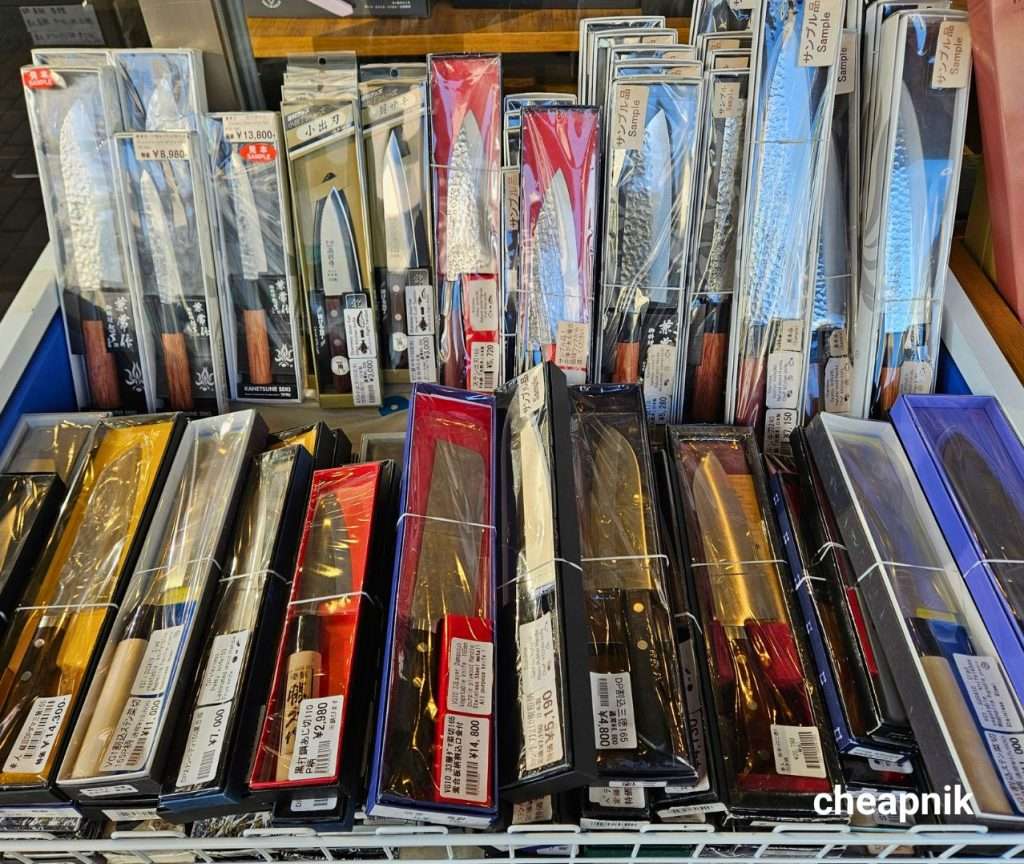
Japanese knives for sale at Kappabashi Dougugai Kitchen Town

Japanese Knives

Fancy feeling like a Japanese chef when you arrive back home? Kappabashi has several dedicated knife shops where you’ll find blades for every task. The santoku is an all-purpose “three virtues” knife for meat, fish, and vegetables. The longer gyuto is Japan’s take on a chef’s knife, valued for its precision when slicing. The nakiri has a straight edge that makes chopping vegetables clean and efficient. The heavy deba is designed to break down and fillet fish, while the slender yanagiba creates smooth, precise cuts of sashimi. For smaller, more delicate work, the petty knife is the go-to tool.

Many stores stock both stainless and carbon steel knives, with a choice of Japanese-style wa handles or western-style grips. Some shops even offer on-the-spot engraving so you can leave with a personalized souvenir. If you’re tempted to buy a Japanese knife, remember two things: knives must go in checked baggage, and many stores can ship abroad if you’d rather not carry them.
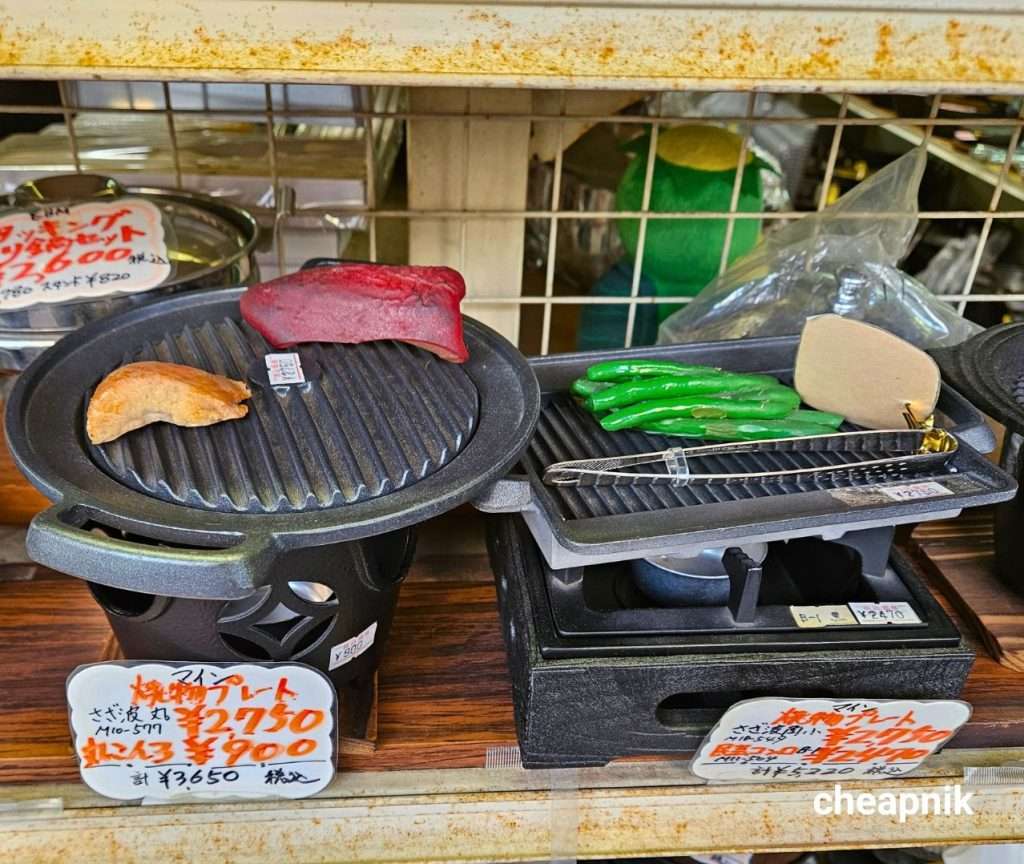
Japanese tabletop grills for sale at Kappabashi Dougugai Kitchen Town

Cookware and Kitchen Tools

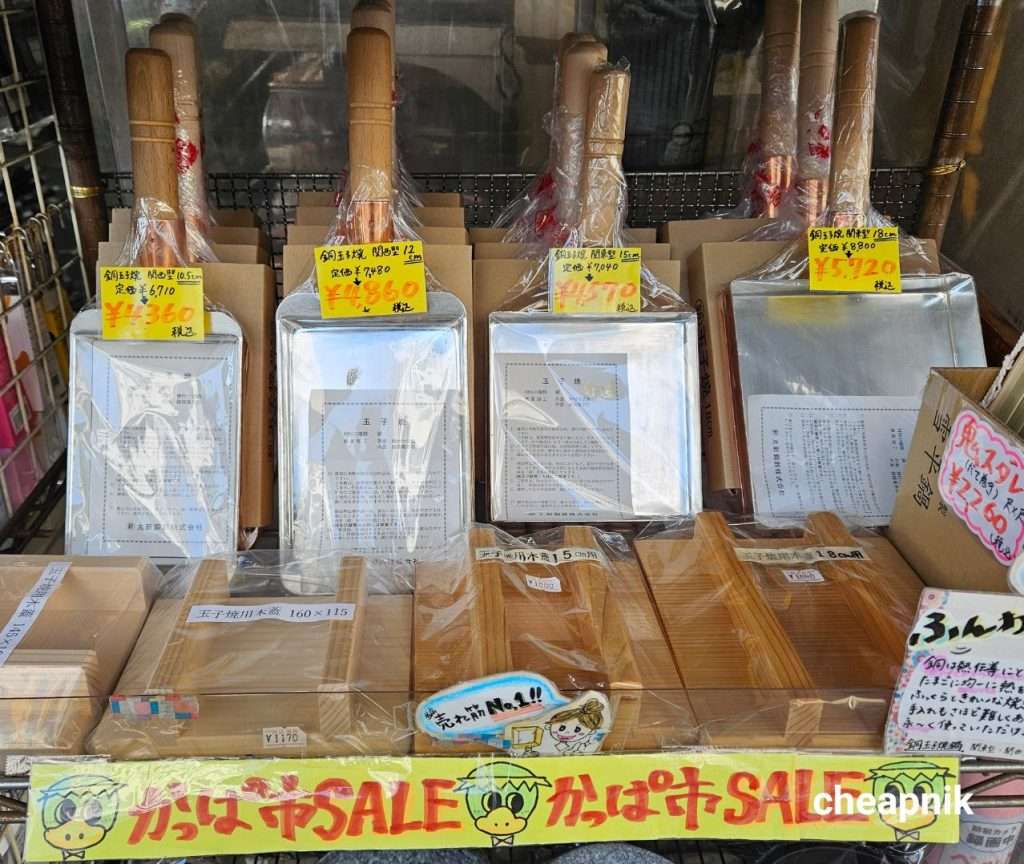
Here you will find professional-grade cookware and small, specialty tools that are hard to find in general tourist stores. If you’ve ever wanted a real tamagoyaki pan for Japanese rolled omelets or a proper takoyaki grill, this is the place to get one. Beyond these specialty tools, you’ll find durable yukihira saucepans, pots, bamboo steamers, ladles, and more – the same gear used in restaurant kitchens across Japan.
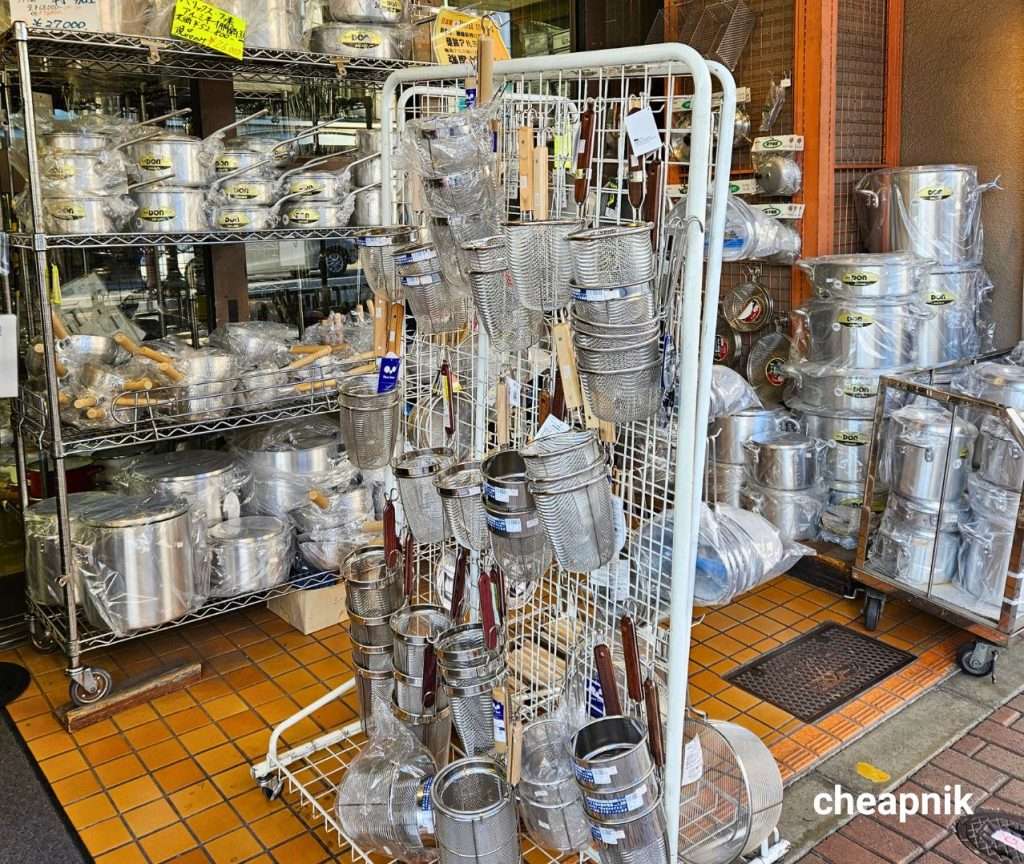
Strainers and pans for sale at Kappabashi Dougugai Kitchen Town
Tamagoyaki Pans and Wooden Lids for sale at Kappabashi Dougugai Kitchen Town
I don’t know about you, but chancing upon this display really inspired me to open up my own Tamagoyaki shop. 😀
Tsukiji Fish Market_Japanese dinnerware for sale

Tableware and Ceramics

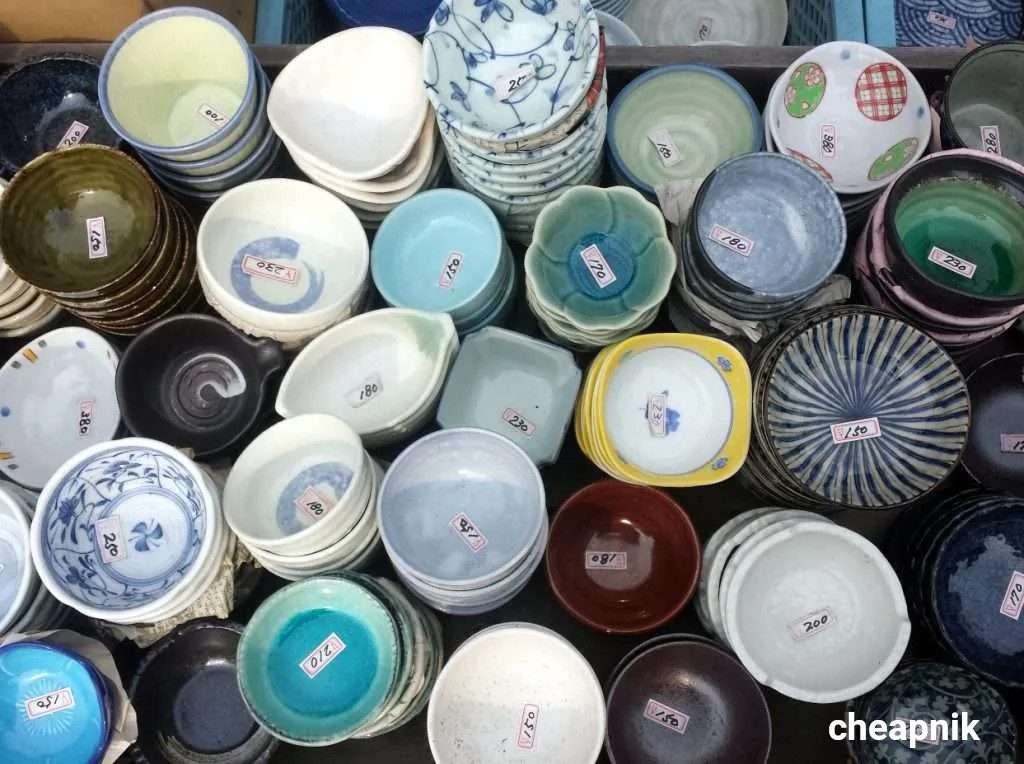
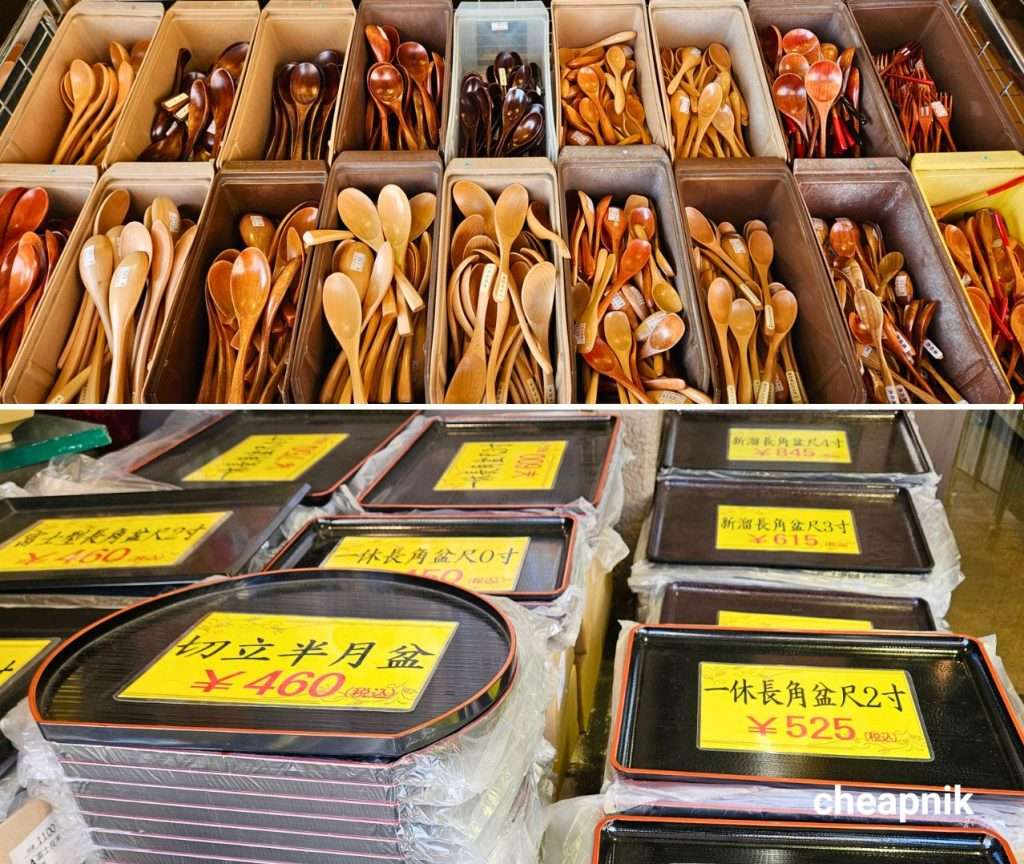
Kappabashi shops cover a wide range of tableware from everyday stoneware to higher-end porcelain and lacquerware. From ramen bowls to sake sets, lacquer trays to chopstick rests, Kappabashi’s tableware shops cover every kind of Japanese dining vessel it’s almost impossible to check out all designs and kinds of tableware. Prices range from budget-friendly bowls starting at around ¥100 to artisan pieces that cost much more.

Wooden lades and lacquer trays for sale at Kappabashi Dougugai Kitchen Town

Most stores are used to packing ceramics securely for travelers, and some will ship overseas. It’s an excellent spot to pick up gifts such as a tastefully crafted ceramic plate, a set of tea cups, a rice bowl, or a set of chopsticks that feels nothing like the disposable kind you get at takeout spots abroad.

Japanese fake food samples tempura fried chicken dorayaki okonomiyaki cake for sale

Plastic Food Models

Kappabashi is one of the best places to buy sampuru, Japan’s famous plastic food displays. Restaurants use them to showcase menus, but smaller items such as sushi keychains and tempura replicas make surprisingly fun souvenirs. Expect to pay a few hundred yen for trinkets, while full-size display dishes can run into the tens of thousands. Some shops even let you try your hand at making a simple replica. They’re handmade, durable, and so realistic that you might forget they’re not edible.

Japanese paper lanterns signages and noren curtains for sale at Kappabashi Dougugai Kitchen Town
Japanese paper lanterns, wooden signages and noren curtains – all the things you will need if you want to start your own Japanese izakaya or restaurant.

Restaurant Signage and Decor

Kappabashi doesn’t just stock tools – it also supplies the atmosphere. You’ll see noren curtains, paper lanterns with “ramen” or “izakaya” written on them, decorative menus, signs, trays, takeout containers, uniforms, and even restaurant furniture. If you want to bring that quaint and cozy Japanese restaurant or izakaya atmosphere at home, a paper lantern or a noren curtain will instantly transform your dining area.

Kappabashi keychains gachapon

Kappabashi Gachapon

If you’re a gachapon nerd like me, be on the lookout for kitchen / restaurant themed gachapons scattered along Kappabashi Dori as well as gachapon containing actual Kappabashi souvenirs that are exclusive to this area – perfect souvenir to mark your visit to Tokyo’s Kitchen Town.

When to Visit Kappabashi

Kappabashi is a year-round destination, but individual store hours can vary. Many shops are open on Weekdays and Saturdays – on Sundays though, only about 30% of these stores are open so plan your visit. Most stores open around 10:00 AM and close by 5:00 or 6:00 PM, but it’s advisable to check specific store hours ahead of your visit – the Kappabashi Dougugai Promotion Association maintains this website where you can search for a specific store and its hours. If you’re looking to avoid crowds weekdays are generally quieter, especially in the mornings.

The chef's head bust at Kappabashi Dougugai Kitchen Town
If you see this quirky giant chef bust you know you’re already in Kappabashi Kitchen Town.

How to Get to Kappabashi

Kappabashi Kitchen Town is conveniently located between Ueno and Asakusa. The nearest station is Tawaramachi Station on the Tokyo Metro Ginza Line, just a 5-minute walk away. Alternatively, it’s roughly about a 15-minute walk from both Asakusa Station and Ueno Station. The street runs about 800 meters, so comfortable shoes are recommended as you’ll be moving between shops, snapping photos, and maybe testing a few kitchen gadgets along the way.

Doguyasuji: Osaka’s Answer to Kappabashi

Did you know that Osaka widely regarded as Japan’s kitchen? If you’re heading to Osaka after Tokyo, you’ll find Osaka’s version of Kappabashi called Doguyasuji – this covered arcade in Namba is packed with cookware, utensils, ceramics, and kitchen gadgets, making it easy to explore without covering a huge distance. While Kappabashi in Tokyo stretches nearly a kilometer with hundreds of shops, Doguyasuji delivers the same kitchen-focused energy in a compact, easy-to-navigate space, proving that Osaka lives up to its reputation as Japan’s kitchen. Both streets are worth visiting if you love cooking, collecting, or just geeking out over high-quality kitchen tools.

Have any questions, or tips to share? Feel free to comment down below! 🙂

Latest Posts

Apparently, Hair Dryers are Good Buys in Japan
Hair Dryers for sale in Japan
How to Board the Shinkansen: Platforms, Cars & Tickets Explained
Passengers boarding Nozomi Shinkansen Train
Shinkansen Luggage Rules 2026: 160cm Rule, Fees & Reservations
Luggage and overhead spaces in the E257 Series Fuji Excursion train
Japan Regional JR Passes: Which Pass Is Right for Your Trip? (2026)
Japan Rail JR Regional Passes Guide
SmartEX Credit Card Error? 4 Ways to Fix It & Buy Shinkansen Tickets (2026)
SmartEx Credit Card Error Fixes
Where to Stay in Tokyo? 7 Best Areas for First-Timers on a Budget
Where to stay in Tokyo on a budget
Nozomi vs Hikari vs Kodama: Which Shinkansen Should You Take?
Nozomi vs Hikari vs Kodama
Shinkansen Seat Classes Explained: Ordinary vs Green Car vs Gran Class
Green Car vs Ordinary Car_Shinkansen Bullet Train
How to Buy Shinkansen Tickets in 2026: Every Option Compared
Shinkansen Tickets at Shin-Osaka Station
Tokyo to Osaka by Shinkansen: Prices, Times, and Everything You Need to Know
Osaka Dohtonbori Crowd
Shinkansen Lines Explained: Every Route in Japan’s Bullet Train Network
Shinkansen Bullet Train Lines and Routes across Japan
Shinkansen Guide for First-Timers: Everything You Need to Know (2026)
Shinkansen Bullet Trains

Related Posts

Hair Dryers for sale in Japan

Apparently, Hair Dryers are Good Buys in Japan

Passengers boarding Nozomi Shinkansen Train

How to Board the Shinkansen: Platforms, Cars & Tickets Explained

Luggage and overhead spaces in the E257 Series Fuji Excursion train

Shinkansen Luggage Rules 2026: 160cm Rule, Fees & Reservations

Japan Rail JR Regional Passes Guide

Japan Regional JR Passes: Which Pass Is Right for Your Trip? (2026)

SmartEx Credit Card Error Fixes

SmartEX Credit Card Error? 4 Ways to Fix It & Buy Shinkansen Tickets (2026)

Where to stay in Tokyo on a budget

Where to Stay in Tokyo? 7 Best Areas for First-Timers on a Budget

Nozomi vs Hikari vs Kodama

Nozomi vs Hikari vs Kodama: Which Shinkansen Should You Take?

Green Car vs Ordinary Car_Shinkansen Bullet Train

Shinkansen Seat Classes Explained: Ordinary vs Green Car vs Gran Class

Shinkansen Tickets at Shin-Osaka Station

How to Buy Shinkansen Tickets in 2026: Every Option Compared

Osaka Dohtonbori Crowd

Tokyo to Osaka by Shinkansen: Prices, Times, and Everything You Need to Know

Shinkansen Bullet Train Lines and Routes across Japan

Shinkansen Lines Explained: Every Route in Japan’s Bullet Train Network

Shinkansen Bullet Trains

Shinkansen Guide for First-Timers: Everything You Need to Know (2026)

Kappabashi Dougugai Kitchen Town

Kappabashi: The Guide to Tokyo’s Kitchen Town

Nearly a kilometer of shops selling knives, kitchenware, ceramic plates and bowls, and even plastic food you’ll want to take home.

If you’ve ever dreamed of taking the izakaya to your home by outfitting your kitchen with Japanese kitchen tools, wares, or even decors – or maybe you just love browsing quirky shops and maybe find something interesting – then Kappabashi Dougugai Kitchen Town (かっぱ橋) or simply Kappabashi-Dori or Kitchen Town in Tokyo is a must-visit.

Cookware and kitchen tools shop in Kappabashi Dougugai Kitchen Town
One of the shops selling an eclectic mix of cookware and kitchen tools along Kappabashi.

This street between Asakusa and Ueno is nicknamed “Kitchen Town” for good a reason: it’s a compact district of specialty shops for the food trade selling everything from Japanese knives, cookware, tableware, packaging, signage, lanterns, to the ultra-realistic sample food displays you’ve probably seen outside restaurants in Japan. Stretching almost a kilometer with more than 170 shops, Kappabashi-dori is Japan’s biggest street dedicated entirely to kitchen tools and restaurant supplies. It has served restaurants for over a century and they also welcome individual shoppers and tourists so you can buy one item or kit out a whole kitchen.

Walking along Kappabashi Dougugai Kitchen Town

The first time I strolled through Kappabashi, I had no plans to buy anything. But within minutes, I was seriously debating whether I needed a sushi knife, a taiyaki maker, a stack of ramen bowls, a tamagoyaki pan, or a perfect replica tempura shrimp to take home as a souvenir. It’s that kind of place that’s whimsical and entirely addictive yet very practical as well – its this surreal mix of experiences that makes Kappabashi worth checking out.

Things to Check Out at Kappabashi Kitchen Town

Japanese knives for sale at Kappabashi Dougugai Kitchen Town

Japanese Knives

Fancy feeling like a Japanese chef when you arrive back home? Kappabashi has several dedicated knife shops where you’ll find blades for every task. The santoku is an all-purpose “three virtues” knife for meat, fish, and vegetables. The longer gyuto is Japan’s take on a chef’s knife, valued for its precision when slicing. The nakiri has a straight edge that makes chopping vegetables clean and efficient. The heavy deba is designed to break down and fillet fish, while the slender yanagiba creates smooth, precise cuts of sashimi. For smaller, more delicate work, the petty knife is the go-to tool.

Many stores stock both stainless and carbon steel knives, with a choice of Japanese-style wa handles or western-style grips. Some shops even offer on-the-spot engraving so you can leave with a personalized souvenir. If you’re tempted to buy a Japanese knife, remember two things: knives must go in checked baggage, and many stores can ship abroad if you’d rather not carry them.

Japanese tabletop grills for sale at Kappabashi Dougugai Kitchen Town

Cookware and Kitchen Tools

Here you will find professional-grade cookware and small, specialty tools that are hard to find in general tourist stores. If you’ve ever wanted a real tamagoyaki pan for Japanese rolled omelets or a proper takoyaki grill, this is the place to get one. Beyond these specialty tools, you’ll find durable yukihira saucepans, pots, bamboo steamers, ladles, and more – the same gear used in restaurant kitchens across Japan.
Strainers and pans for sale at Kappabashi Dougugai Kitchen Town
Tamagoyaki Pans and Wooden Lids for sale at Kappabashi Dougugai Kitchen Town
I don’t know about you, but chancing upon this display really inspired me to open up my own Tamagoyaki shop. 😀
Tsukiji Fish Market_Japanese dinnerware for sale

Tableware and Ceramics

Kappabashi shops cover a wide range of tableware from everyday stoneware to higher-end porcelain and lacquerware. From ramen bowls to sake sets, lacquer trays to chopstick rests, Kappabashi’s tableware shops cover every kind of Japanese dining vessel it’s almost impossible to check out all designs and kinds of tableware. Prices range from budget-friendly bowls starting at around ¥100 to artisan pieces that cost much more.
Wooden lades and lacquer trays for sale at Kappabashi Dougugai Kitchen Town

Most stores are used to packing ceramics securely for travelers, and some will ship overseas. It’s an excellent spot to pick up gifts such as a tastefully crafted ceramic plate, a set of tea cups, a rice bowl, or a set of chopsticks that feels nothing like the disposable kind you get at takeout spots abroad.
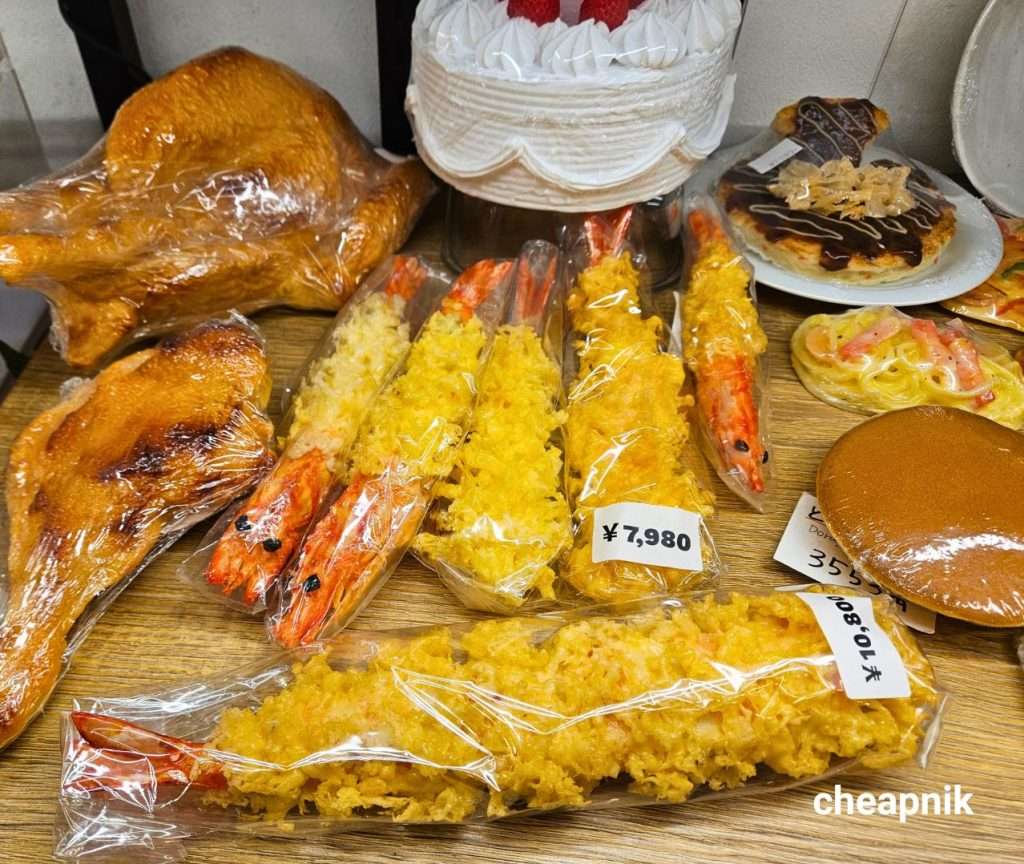
Japanese fake food samples tempura fried chicken dorayaki okonomiyaki cake for sale

Plastic Food Models

Kappabashi is one of the best places to buy sampuru, Japan’s famous plastic food displays. Restaurants use them to showcase menus, but smaller items such as sushi keychains and tempura replicas make surprisingly fun souvenirs. Expect to pay a few hundred yen for trinkets, while full-size display dishes can run into the tens of thousands. Some shops even let you try your hand at making a simple replica. They’re handmade, durable, and so realistic that you might forget they’re not edible.
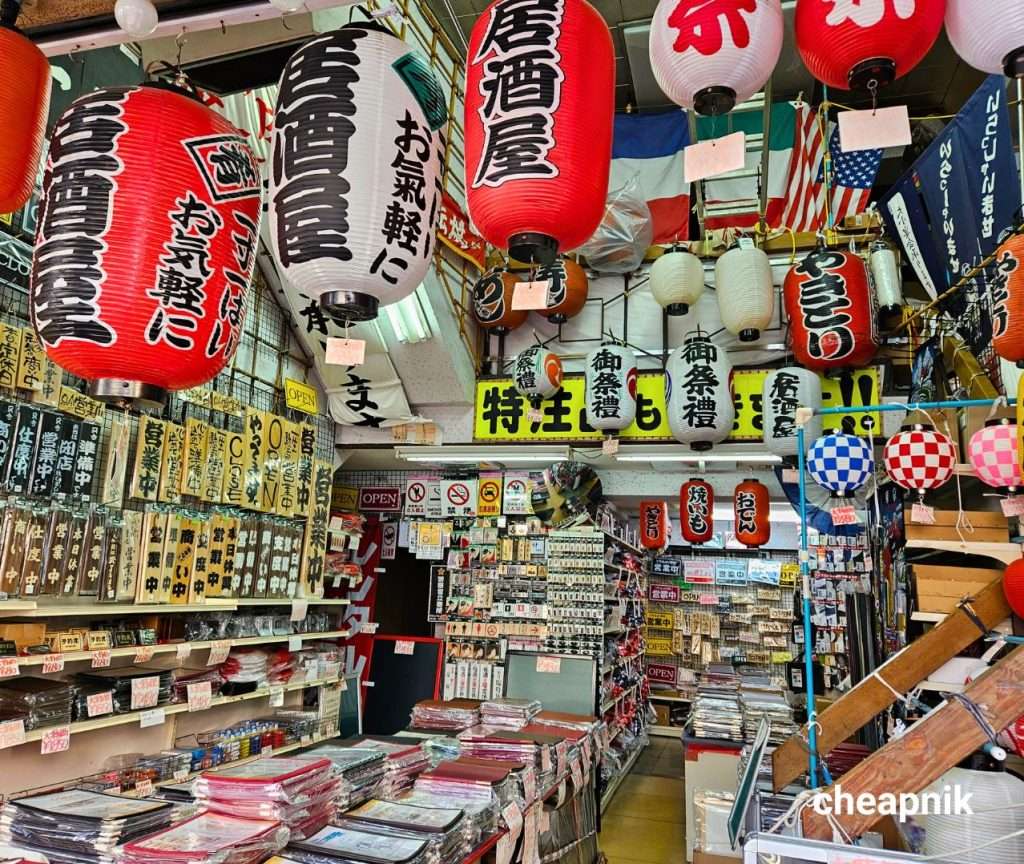
Japanese paper lanterns signages and noren curtains for sale at Kappabashi Dougugai Kitchen Town
Japanese paper lanterns, wooden signages and noren curtains – all the things you will need if you want to start your own Japanese izakaya or restaurant.

Restaurant Signage and Decor

Kappabashi doesn’t just stock tools – it also supplies the atmosphere. You’ll see noren curtains, paper lanterns with “ramen” or “izakaya” written on them, decorative menus, signs, trays, takeout containers, uniforms, and even restaurant furniture. If you want to bring that quaint and cozy Japanese restaurant or izakaya atmosphere at home, a paper lantern or a noren curtain will instantly transform your dining area.
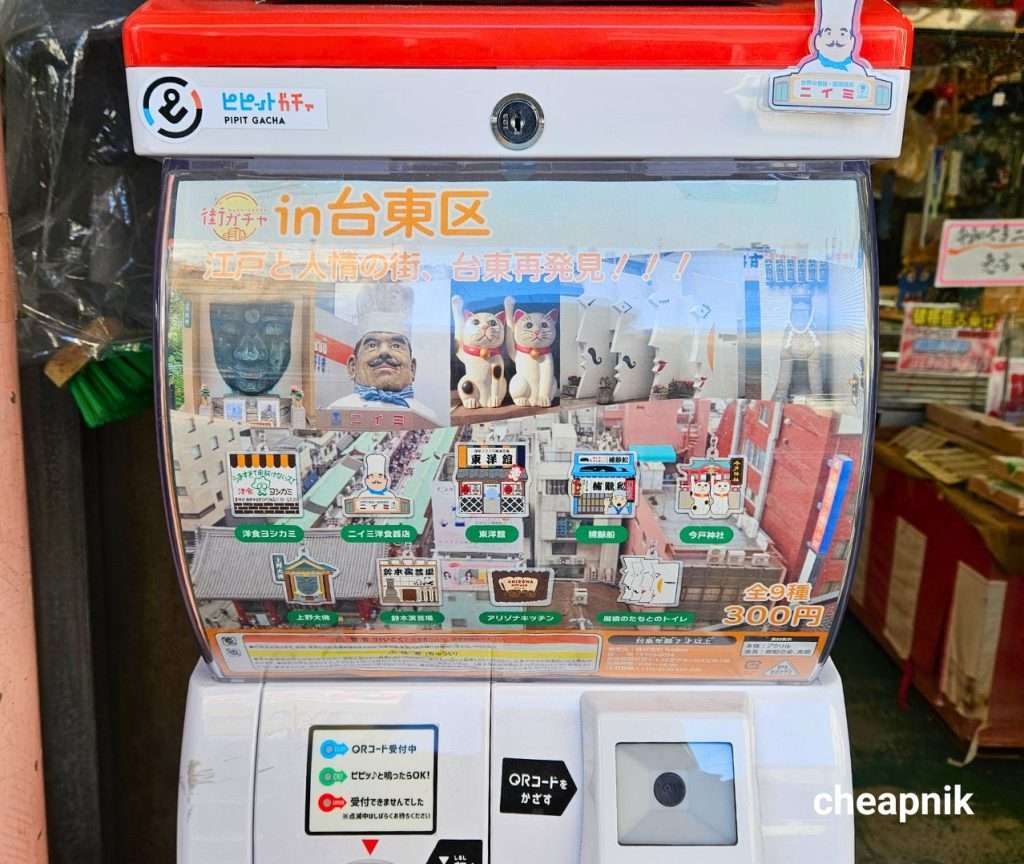
Kappabashi keychains gachapon

Kappabashi Gachapon

If you’re a gachapon nerd like me, be on the lookout for kitchen / restaurant themed gachapons scattered along Kappabashi Dori as well as gachapon containing actual Kappabashi souvenirs that are exclusive to this area – perfect souvenir to mark your visit to Tokyo’s Kitchen Town.

When to Visit Kappabashi

Kappabashi is a year-round destination, but individual store hours can vary. Many shops are open on Weekdays and Saturdays – on Sundays though, only about 30% of these stores are open so plan your visit. Most stores open around 10:00 AM and close by 5:00 or 6:00 PM, but it’s advisable to check specific store hours ahead of your visit – the Kappabashi Dougugai Promotion Association maintains this website where you can search for a specific store and its hours. If you’re looking to avoid crowds weekdays are generally quieter, especially in the mornings.
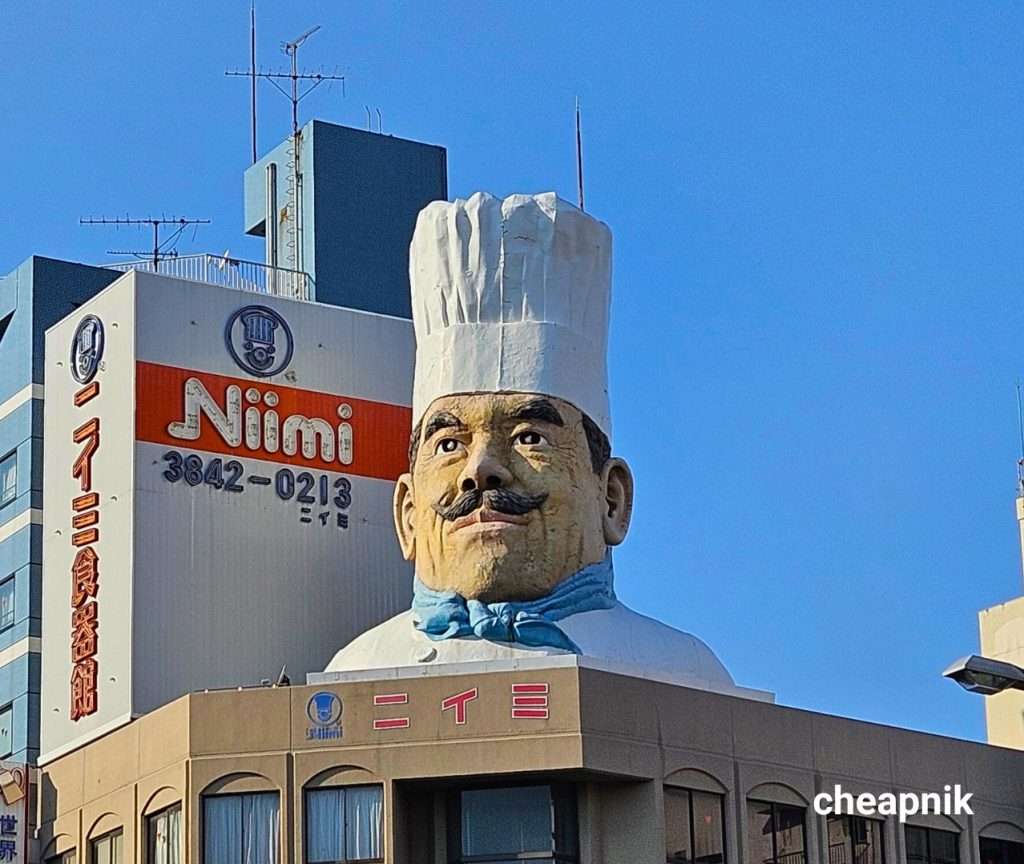
The chef's head bust at Kappabashi Dougugai Kitchen Town
If you see this quirky giant chef bust you know you’re already in Kappabashi Kitchen Town.

How to Get to Kappabashi

Kappabashi Kitchen Town is conveniently located between Ueno and Asakusa. The nearest station is Tawaramachi Station on the Tokyo Metro Ginza Line, just a 5-minute walk away. Alternatively, it’s roughly about a 15-minute walk from both Asakusa Station and Ueno Station. The street runs about 800 meters, so comfortable shoes are recommended as you’ll be moving between shops, snapping photos, and maybe testing a few kitchen gadgets along the way.

Doguyasuji: Osaka’s Answer to Kappabashi

Did you know that Osaka widely regarded as Japan’s kitchen? If you’re heading to Osaka after Tokyo, you’ll find Osaka’s version of Kappabashi called Doguyasuji – this covered arcade in Namba is packed with cookware, utensils, ceramics, and kitchen gadgets, making it easy to explore without covering a huge distance. While Kappabashi in Tokyo stretches nearly a kilometer with hundreds of shops, Doguyasuji delivers the same kitchen-focused energy in a compact, easy-to-navigate space, proving that Osaka lives up to its reputation as Japan’s kitchen. Both streets are worth visiting if you love cooking, collecting, or just geeking out over high-quality kitchen tools.

Have any questions, or tips to share? Feel free to comment down below! 🙂

Related Posts

Hair Dryers for sale in Japan

Apparently, Hair Dryers are Good Buys in Japan

Passengers boarding Nozomi Shinkansen Train

How to Board the Shinkansen: Platforms, Cars & Tickets Explained

Luggage and overhead spaces in the E257 Series Fuji Excursion train

Shinkansen Luggage Rules 2026: 160cm Rule, Fees & Reservations

Japan Rail JR Regional Passes Guide

Japan Regional JR Passes: Which Pass Is Right for Your Trip? (2026)

SmartEx Credit Card Error Fixes

SmartEX Credit Card Error? 4 Ways to Fix It & Buy Shinkansen Tickets (2026)

Where to stay in Tokyo on a budget

Where to Stay in Tokyo? 7 Best Areas for First-Timers on a Budget

Nozomi vs Hikari vs Kodama

Nozomi vs Hikari vs Kodama: Which Shinkansen Should You Take?

Green Car vs Ordinary Car_Shinkansen Bullet Train

Shinkansen Seat Classes Explained: Ordinary vs Green Car vs Gran Class

Shinkansen Tickets at Shin-Osaka Station

How to Buy Shinkansen Tickets in 2026: Every Option Compared

Osaka Dohtonbori Crowd

Tokyo to Osaka by Shinkansen: Prices, Times, and Everything You Need to Know

Shinkansen Bullet Train Lines and Routes across Japan

Shinkansen Lines Explained: Every Route in Japan’s Bullet Train Network

Shinkansen Bullet Trains

Shinkansen Guide for First-Timers: Everything You Need to Know (2026)

Hair Dryers for sale in Japan

Apparently, Hair Dryers are Good Buys in Japan

Passengers boarding Nozomi Shinkansen Train

How to Board the Shinkansen: Platforms, Cars & Tickets Explained

Luggage and overhead spaces in the E257 Series Fuji Excursion train

Shinkansen Luggage Rules 2026: 160cm Rule, Fees & Reservations

Japan Rail JR Regional Passes Guide

Japan Regional JR Passes: Which Pass Is Right for Your Trip? (2026)

SmartEx Credit Card Error Fixes

SmartEX Credit Card Error? 4 Ways to Fix It & Buy Shinkansen Tickets (2026)

Where to stay in Tokyo on a budget

Where to Stay in Tokyo? 7 Best Areas for First-Timers on a Budget

Nozomi vs Hikari vs Kodama

Nozomi vs Hikari vs Kodama: Which Shinkansen Should You Take?

Green Car vs Ordinary Car_Shinkansen Bullet Train

Shinkansen Seat Classes Explained: Ordinary vs Green Car vs Gran Class

Shinkansen Tickets at Shin-Osaka Station

How to Buy Shinkansen Tickets in 2026: Every Option Compared

Osaka Dohtonbori Crowd

Tokyo to Osaka by Shinkansen: Prices, Times, and Everything You Need to Know

Shinkansen Bullet Train Lines and Routes across Japan

Shinkansen Lines Explained: Every Route in Japan’s Bullet Train Network

Shinkansen Bullet Trains

Shinkansen Guide for First-Timers: Everything You Need to Know (2026)

Latest Posts

Apparently, Hair Dryers are Good Buys in Japan
Hair Dryers for sale in Japan
How to Board the Shinkansen: Platforms, Cars & Tickets Explained
Passengers boarding Nozomi Shinkansen Train
Shinkansen Luggage Rules 2026: 160cm Rule, Fees & Reservations
Luggage and overhead spaces in the E257 Series Fuji Excursion train
Japan Regional JR Passes: Which Pass Is Right for Your Trip? (2026)
Japan Rail JR Regional Passes Guide
SmartEX Credit Card Error? 4 Ways to Fix It & Buy Shinkansen Tickets (2026)
SmartEx Credit Card Error Fixes
Where to Stay in Tokyo? 7 Best Areas for First-Timers on a Budget
Where to stay in Tokyo on a budget
Nozomi vs Hikari vs Kodama: Which Shinkansen Should You Take?
Nozomi vs Hikari vs Kodama
Shinkansen Seat Classes Explained: Ordinary vs Green Car vs Gran Class
Green Car vs Ordinary Car_Shinkansen Bullet Train
How to Buy Shinkansen Tickets in 2026: Every Option Compared
Shinkansen Tickets at Shin-Osaka Station
Tokyo to Osaka by Shinkansen: Prices, Times, and Everything You Need to Know
Osaka Dohtonbori Crowd
Shinkansen Lines Explained: Every Route in Japan’s Bullet Train Network
Shinkansen Bullet Train Lines and Routes across Japan
Shinkansen Guide for First-Timers: Everything You Need to Know (2026)
Shinkansen Bullet Trains
0
Would love your thoughts, please comment.x
()
x