
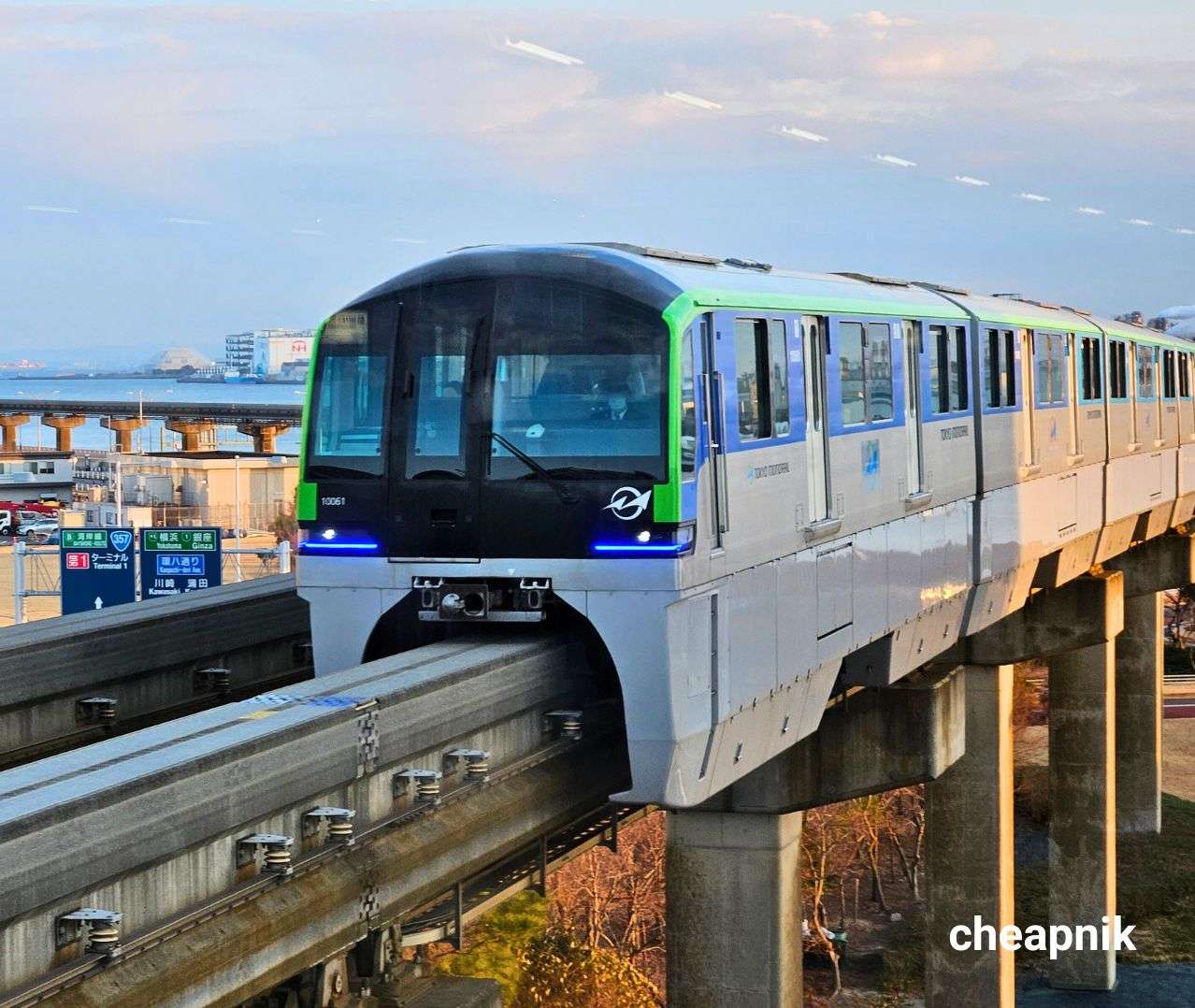
Just landed at Haneda Airport and wondering how to reach central Tokyo quickly and easily? The Tokyo Monorail is one of the best ways to get into the city—it’s reliable, scenic, and surprisingly fast. Whether you’re heading to a hotel in Shinjuku or transferring to the JR Yamanote Line, this guide will walk you through everything you need to know to use the monorail like a pro.
Table of Contents
- What is the Tokyo Monorail?
- Route Overview and Stations
- Schedule and Travel Time by Train Type
- Where to Buy Tokyo Monorail Tickets
- Tokyo Monorail Ticket Price
- Tokyo Monorail Pros and Cons
- Monorail vs Keikyu vs Airport Bus (Alternative Options)
- FAQs
- Final Verdict: Is the Tokyo Monorail Worth It?
What is the Tokyo Monorail?
The Tokyo Monorail is a high-speed elevated train line that connects Haneda Airport with Hamamatsucho Station in central Tokyo. Operated by Tokyo Monorail Co., Ltd. (jointly owned by JR East), the line has been running since 1964 and was originally built for the Tokyo Olympics. Today, it remains one of the most efficient ways to get from the airport to the city.
It’s fully integrated with the JR East system, making it easy to transfer to the JR Yamanote Line and head toward major neighborhoods like Shinjuku, Shibuya, and Tokyo Station.
Route Overview and Stations
The Tokyo Monorail runs along an 18.2 km (11.3 mi) stretch with 11 stations, connecting all three terminals at Haneda Airport to Hamamatsucho in central Tokyo.

Stations along the route (from Tokyo to Haneda Airport):
- Hamamatsucho Station (connects to JR Yamanote Line & Tokyo Metro)
- Tennozu Isle
- Oi Keibajo Mae
- Ryutsu Center
- Showajima
- Seibijo
- Tenkubashi
- Haneda Airport Terminal 3 (International Terminal)
- Shin Seibijo
- Haneda Airport Terminal 1 (Domestic Terminal – JAL)
- Haneda Airport Terminal 2 (Domestic Terminal – ANA)
Schedule and Travel Time by Train Type
The Tokyo Monorail offers three types of services, all priced the same but with different station intervals. As you can see below, the travel time difference between the three services are minimal but if you’re late and in a hurry, make sure to take the Haneda Express service if there different options at the time you’re going.
| Train Type | Stops | Travel Time (Haneda → Hamamatsucho) |
|---|---|---|
| Haneda Express | Direct, Non-stop | ~13 – 18 minutes |
| Rapid | Stops at key stations | ~18 – 21 minutes |
| Local | Stops at all stations | ~21 – 24 minutes |
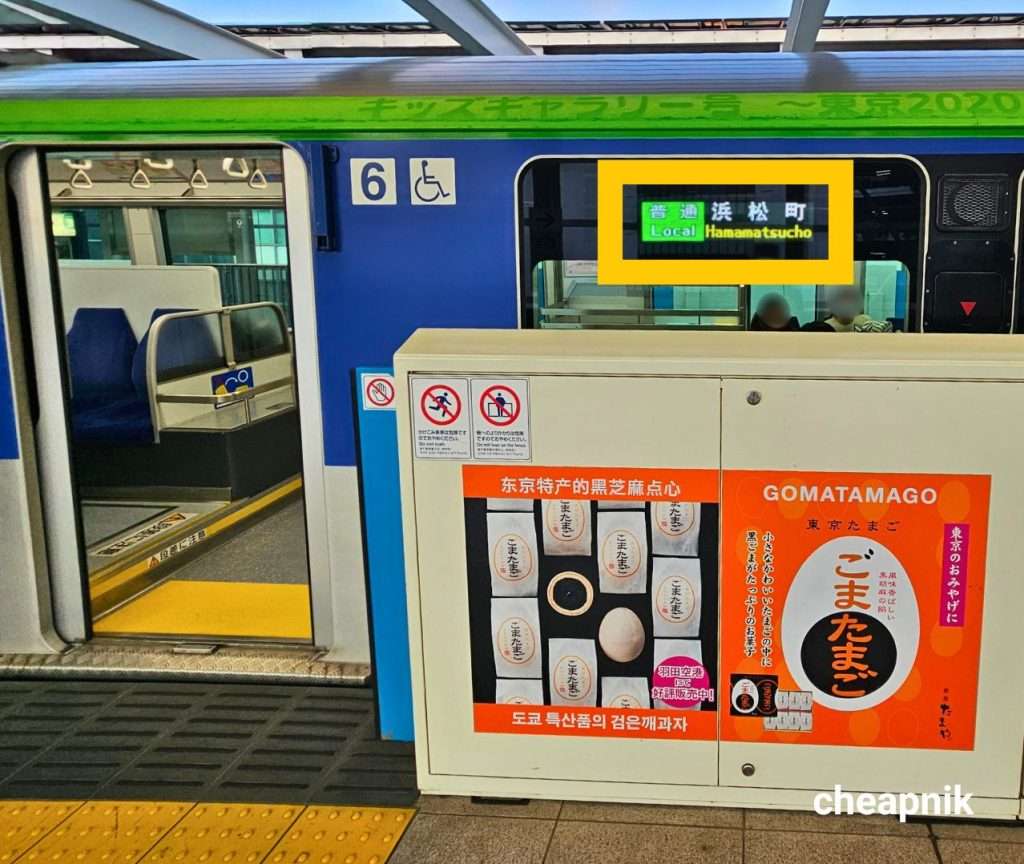
- First train leaves at around ~5:00 AM from both Haneda and Hamamatsucho
- Last train leaves at around ~11:30 PM
- Trains run every 3–5 minutes during peak hours and every 10 minutes off-peak
Given the above frequency, make sure to plan your trip ahead especially if your flight arrives late at night or if you need to catch a very early flight.
Where to Buy Tokyo Monorail Tickets
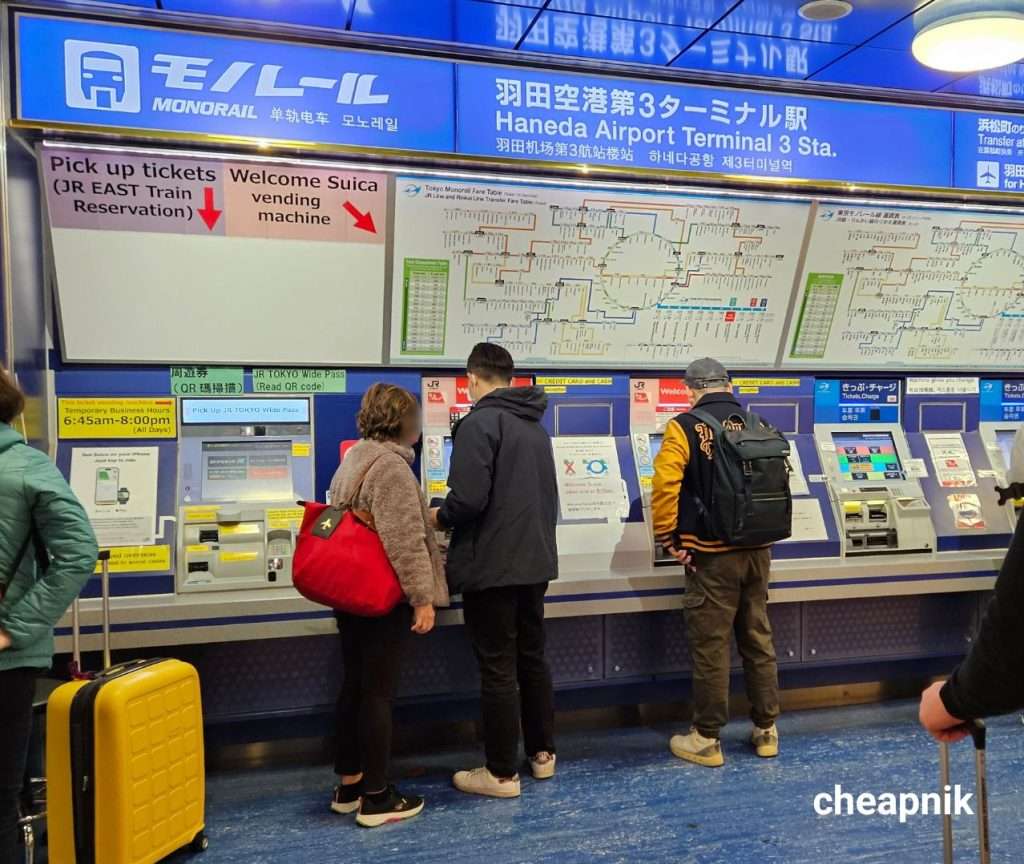
There are many dedicated Tokyo Monorail ticket machines at Haneda Airport Terminals 1, 2, and 3, as well as Hamamatsucho Station where you can get monorail tickets as well as JR Yamanote line transfer tickets. Below image is the ticket machines at Terminal 3 international arrivals area, where aside from monorail and JR transfer tickets, you can also pick up your JR Tokyo Wide Passes as well as JR East Train reservation tickets here.
If you have a Welcome Suica or Pasmo Passport tourist card, you can also use these to pay for your Tokyo Monorail trip. If you prefer getting your Tokyo Monorail tickets online from your smartphone, you can easily buy your tickets via Klook.
Tokyo Monorail Ticket Price
- Standard one-way fare: ¥500
- Children (6–11 years): ¥250
- Under 6: Free with a paying adult
*If you have a JR Pass, you get to ride the Tokyo Monorail for free! As for the Tokyo Subway Ticket however, the Tokyo Monorail is not covered.
Pros and Cons of the Tokyo Monorail
Pros
- Easy connection to the Yamanote Line which goes to major destinations such as Tokyo Station, Shinjuku Station, Shibuya Station, etc.
- Scenic ride over Tokyo Bay
- Frequent departures (every few minutes)
- Free with JR Pass
- Fast, clean, and reliable

Cons
- Requires transfer (alight in Hamamatsucho Station and transfer to Yamanote Line) in for most destinations
- Slightly more expensive than Keikyu Line
Monorail vs Keikyu vs Airport Bus (Alternative Options)
For more information, here’s a more detailed comparison of your transport options to get from Haneda Airport to Tokyo and back.
| Option | Time to Tokyo | Cost | Pros | Cons |
|---|---|---|---|---|
| Tokyo Monorail | ~30 min total | ¥500 | Fast, JR Pass eligible, scenic | Requires transfer if going to Tokyo, Shinjuku, Shibuya, etc. |
| Keikyu Line | ~30 min total | ¥300–400 | Cheaper, direct to Shinagawa | Requires transfer if going to Tokyo, Shinjuku, Shibuya, etc.; not JR Pass eligible |
| Airport Limousine Bus | 45–90+ min | ¥1,000–¥1,600 | Direct to hotels | Traffic delays |
| Taxi | 30–60 min | ¥6,000–¥11,000 | Door-to-door | Expensive |
Frequently Asked Questions
Q: Is the Tokyo Monorail covered by the JR Pass?
Yes! As a JR Pass holder, you get to ride the Tokyo Monorail for free.
Q: Which terminal should I get off at?
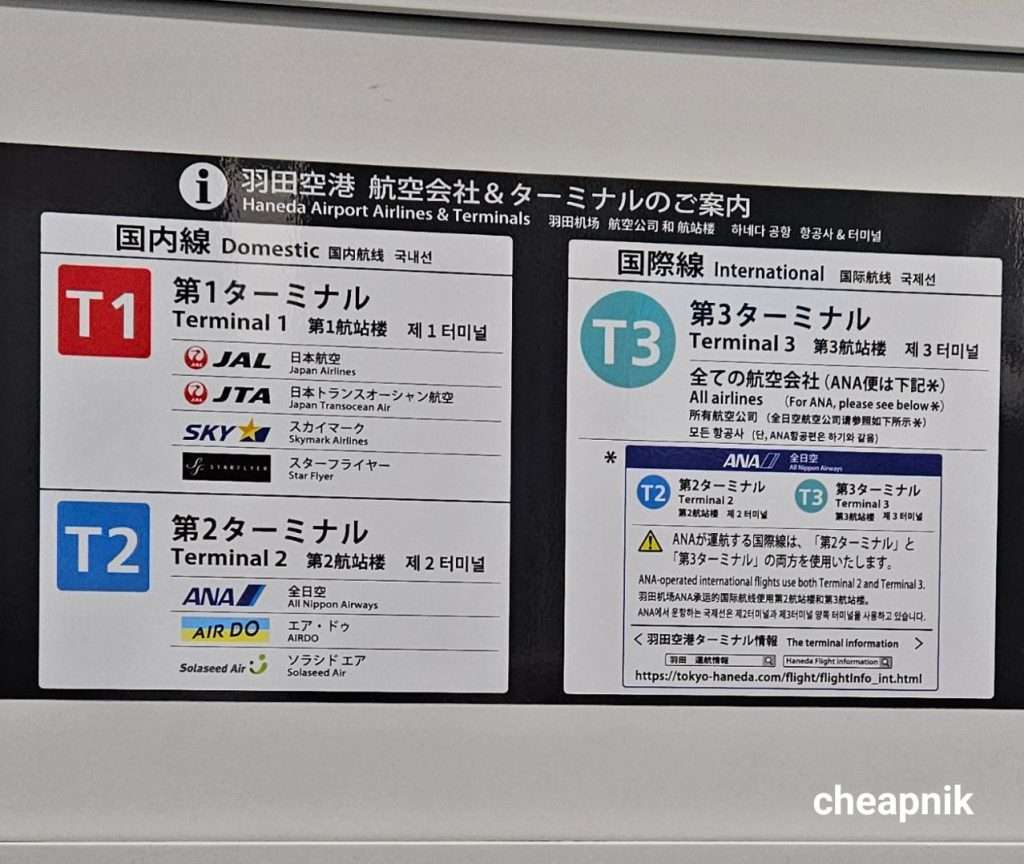
Check below for general reference – do note that airlines and terminal assignments can change at any time so please check in advance.
- Haneda Airport Terminal 1 = Domestic flights (JAL, JTA, Skymark Airlines, Star Flyer)
- Haneda Airport Terminal 2 = Domestic flights (ANA, AirDO, Solaseed Air)
- Haneda Airport Terminal 3 = International flights
Q: Can I bring luggage?
Yes. There’s plenty of space for suitcases – there are even dedicated luggage areas in each train car.

Q: Does it run late at night?
The last trains leave around 11:30 PM, which leaves plenty of time for travelers to get to and from the airport and the city. For those with early morning arrivals and departures, however, this can be an issue so plan ahead.
Final Verdict: Is the Tokyo Monorail Worth It?
If you’re landing at Haneda Airport and wondering what the smoothest, most efficient way into Tokyo is – the Tokyo Monorail is absolutely worth considering.
It’s clean, fast, and reliable. You won’t get stuck in traffic like with airport buses or pay a small fortune like with a taxi. Plus, it’s one of the easiest options to navigate, even if you’re arriving in Japan for the first time.
Sure, it does require a transfer at Hamamatsucho Station, but the connection to the JR Yamanote Line makes it incredibly simple to get to major neighborhoods like Shibuya, Shinjuku, or Tokyo Station.
If you have a Japan Rail Pass, it’s even better because the Tokyo Monorail is covered, making it a no-brainer from a value standpoint.
That said if you’re staying near Shinagawa or your hotel is on the Keikyu Line, that might be a slightly easier and more direct option. And if you’re traveling with a lot of luggage or just want a door-to-door ride, an airport limousine bus may be more convenient.
But for most travelers? The Tokyo Monorail hits the sweet spot: quick, cost-effective, and tourist-friendly.
Bottom line: If you’re heading into central Tokyo from Haneda, especially with light luggage or a JR Pass in hand, the Tokyo Monorail is one of the best ways to go.


