

Japan is known for Mt Fuji and its high-tech trains so when going to see Mt Fuji, going there on a scenic trail via the Fuji Excursion train would be a one-of-a-kind experience. Imagine witnessing the scenery change from the urban jungle of Tokyo to the countryside with small towns, mountains, and rivers along the way to Mt. Fuji, this train ride is an experience in its own.
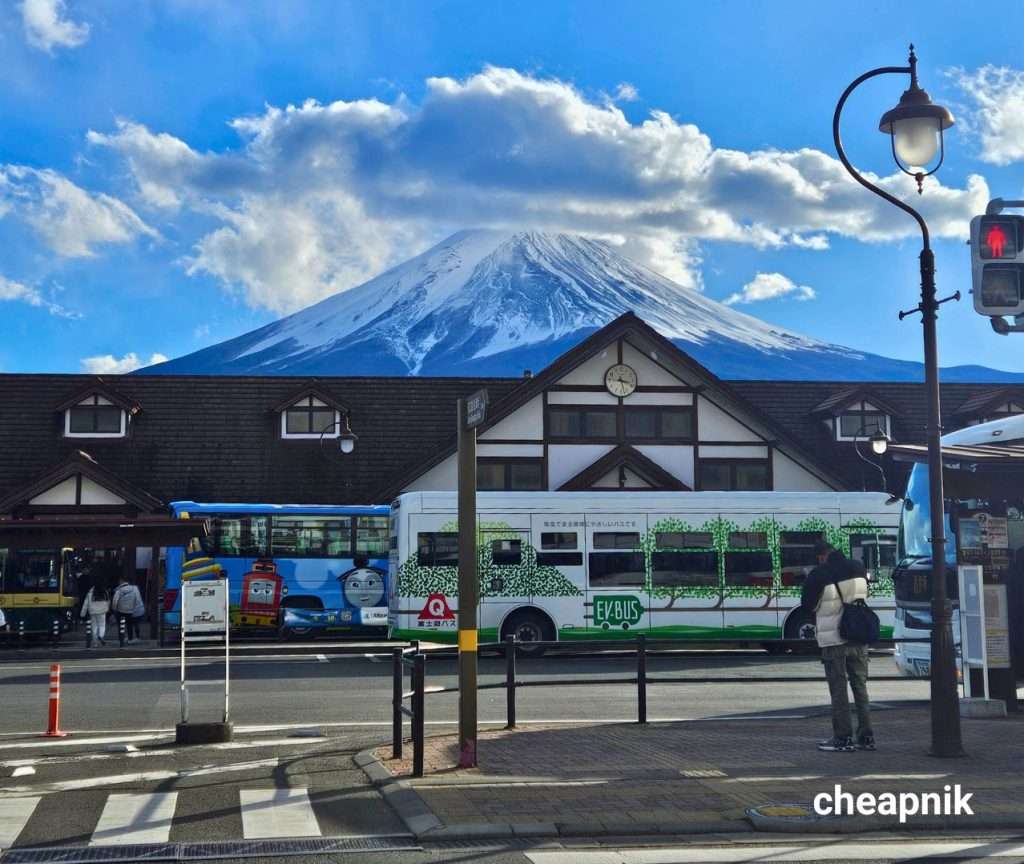
I went on the Fuji Excursion train from Tokyo’s Shinjuku Station to Kawaguchiko Station (and back), known for its stunning scenic views of Mt. Fuji so I can share to you what the experience is like. If you’re heading to Mt. Fuji and wondering whether to take the Fuji Excursion train or just hop on a bus tour or if it’s worth taking a day trip out, this post is for you. I’ll walk you through everything from how to buy tickets (including last-minute tips), what to expect on the ride, and why I think this is one of the best ways to reach Kawaguchiko Station.
Ikimashou!
Table of Contents
- What is the Fuji Excursion Train?
- Fuji Excursion Route
- Fuji Excursion Train Models
- Where and How to Buy Fuji Excursion Train Tickets
- Fuji Excursion Ticket Prices
- Fuji Excursion Train Schedule
- How to board the Fuji Excursion train departing from Shinjuku Station (Tokyo)
- My Fuji Excursion Train Experience (Shinjuku Station going to Kawaguchiko Station)
- Departing from Kawaguchiko Station (Back to Shinjuku Station in Tokyo)
- Important Note for JR Pass Holders: What You Need to Know Before Boarding the Fuji Excursion
- Fuji Excursion Train: Pros and Cons
- Alternatives to the Fuji Excursion
- Is the Fuji Excursion Train Worth It?
1. What Is the Fuji Excursion Train?
The Fuji Excursion is a limited express service operated jointly by JR East and Fujikyuko, offering a direct connection between Shinjuku Station in Tokyo and Kawaguchiko Station, the gateway to Mt. Fuji and the Fuji Five Lakes (Fujigoko) area.
This train was launched in 2019 specifically to make it easier for tourists to get to the Mt. Fuji area without the hassle of multiple transfers. The ride takes around 1 hour and 55 minutes and passes through a diverse range of landscapes—from Tokyo’s dense urban sprawl to small countryside towns and valleys.
The train zips along at full speed (up to 130 km/h) on the JR Chuo Line (from Shinjuku Station to Otsuki Station), then slows down significantly to around 60 km/h on the Fujikyuko Line (from Otsuki Station to Kawaguchiko Station) – probably to give passengers more time to soak in the views.
- Duration: Approximately 1 hour and 55 minutes
- Speed: Up to 130 km/h on the Chūō Line, slowing to 60 km/h on the Fujikyuko Line
Convenient, eh? Given that it’s a direct train ride from Tokyo to several stops along the scenic Mt Fuji viewing trail leading up to Kawaguchiko Station (the final stop), it’s a no brainer especially for tourists to take this route because it’s so simple and you won’t have to figure out complicated stops and transfers along the way.
2. Fuji Excursion Route
The route is from Shinjuku (Tokyo) to Kawaguchiko (Yamanashi) and back. Below are the stops along the Fuji Excursion route.
- Shinjuku Station in Tokyo (Start)
- Tachikawa Station
- Hachioji Station
- Ōtsuki Station (this is where trains couple/uncouple to as the journey switches from JR Chuo line to Fujikyuko Line – hence, no need for passengers to transfer)
- Tsurubunkadaigakumae Station
- Shimoyoshida Station (this is where you get off if you want to visit the iconic Chureito Pagoda with the view of Mt Fuji – about 20 minutes walk from the station)
- Mt. Fuji Station
- Fujikyu-Highland Station (this is where you get off to get to the Fuji-Q Highland amusement park)
- Kawaguchiko Station (Final stop)
The final four stations – Shimoyoshida, Mt. Fuji, Fujikyu-Highland, and Kawaguchiko – serve as the key gateways to Mount Fuji and the Fuji Five Lakes region.
3. Fuji Excursion train models
Although officially the Fuji Excursion is operated using the E353 series trains, in my experience I took the Fuji Excursion twice (going to Kawaguchiko and back to Tokyo) and both trains were different models:
- Shinjuku to Kawaguchiko: E257 series (white, black, and green)
- Kawaguchiko to Shinjuku: E353 series (blue, black, and white, with a futuristic look)
If you were expecting an E353 series train and found an E257 in your train platform instead – don’t panic because it may actually be your assigned Fuji Excursion train – just check the small signage at the sides of the train (before you enter the train) to double check that it is indeed a Fuji Excursion train going to Kawaguchiko Station (or back to Shinjuku) – more on this in section 7 (How to board your Fuji Excursion train) below.
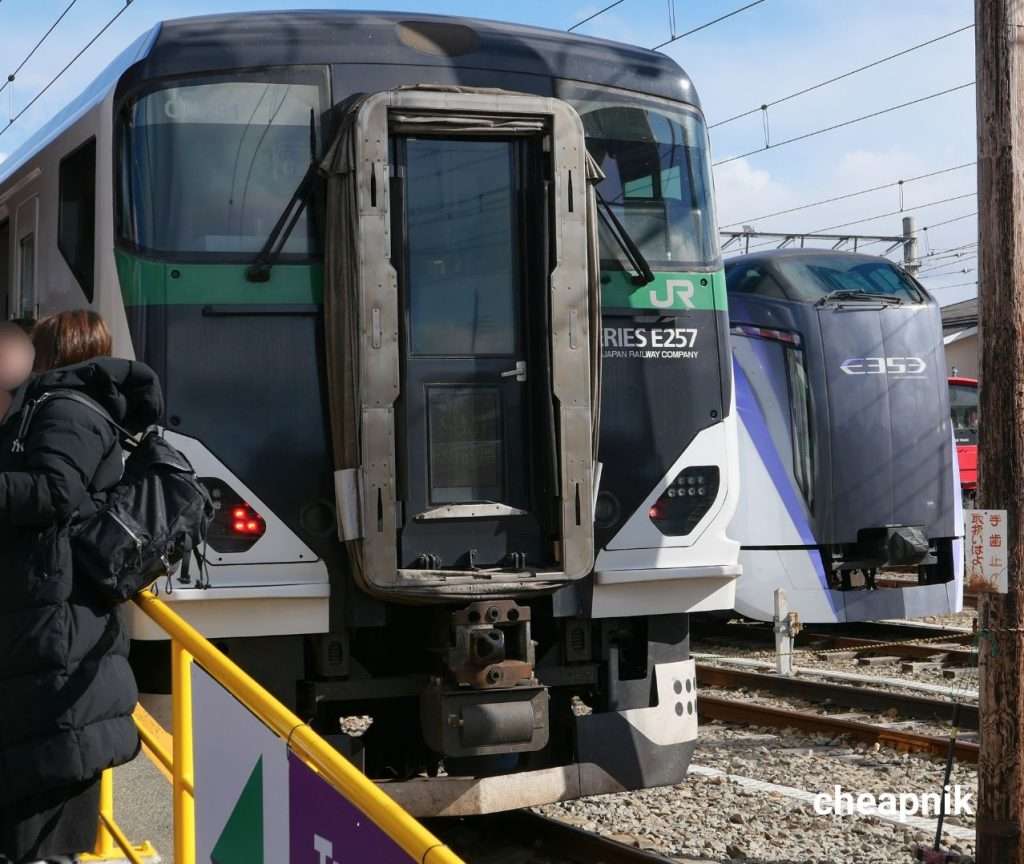
Both were comfortable and clean and both trains offer reserved seating, clean restrooms, luggage racks, wi-fi, and large windows perfect for enjoying the scenic views.
The notable difference? The official train model E353 series had in-seat power outlets and wi-fi while the E257 series did not have it – something worth taking note of.
4. Where and How to Buy Fuji Excursion Train Tickets
You have four main options:
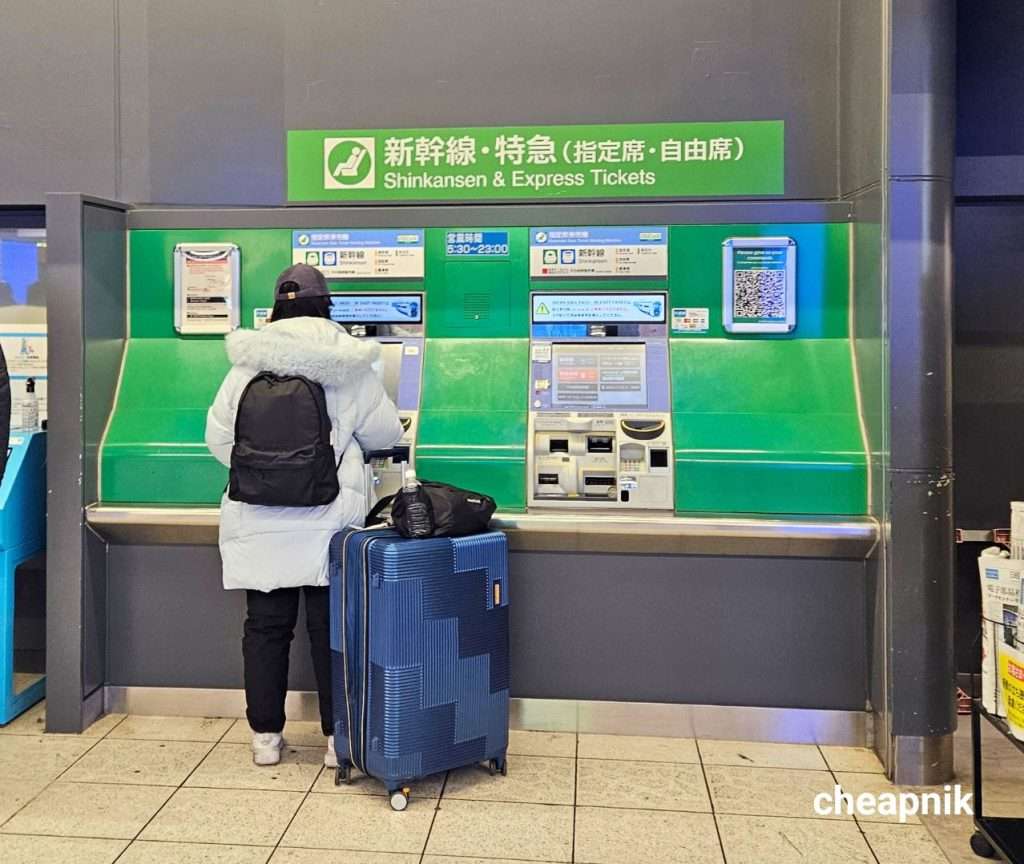
Option 1: At the JR Station via the green Reserved Seat Ticket Vending Machines
Look for the green Reserved Seat Ticket Vending Machines for Shinkansen & Express Tickets (such as the Fuji Excursion) at major JR stations like Shinjuku (this is also where you can claim your tickets if you got your tickets via Klook in option 3 below). You can use English-language options, though the system can feel overwhelming if you’re unfamiliar. This option allows you to select specific seats, but be aware that tickets can sell out quickly especially on weekends and holidays.
Option 2: At the JR Station via the JR Ticket Office
If you need in-person assistance when purchasing your Fuji Excursion tickets and don’t want to deal with machines, at Shinjuku Station (or any other major JR stations) look for the green “JR Ticket Office” where you can walk-in and ask for help with your purchase and reserve your seat. There can sometimes be language barriers, but they have helpful information packets to show in case you need assistance in English.
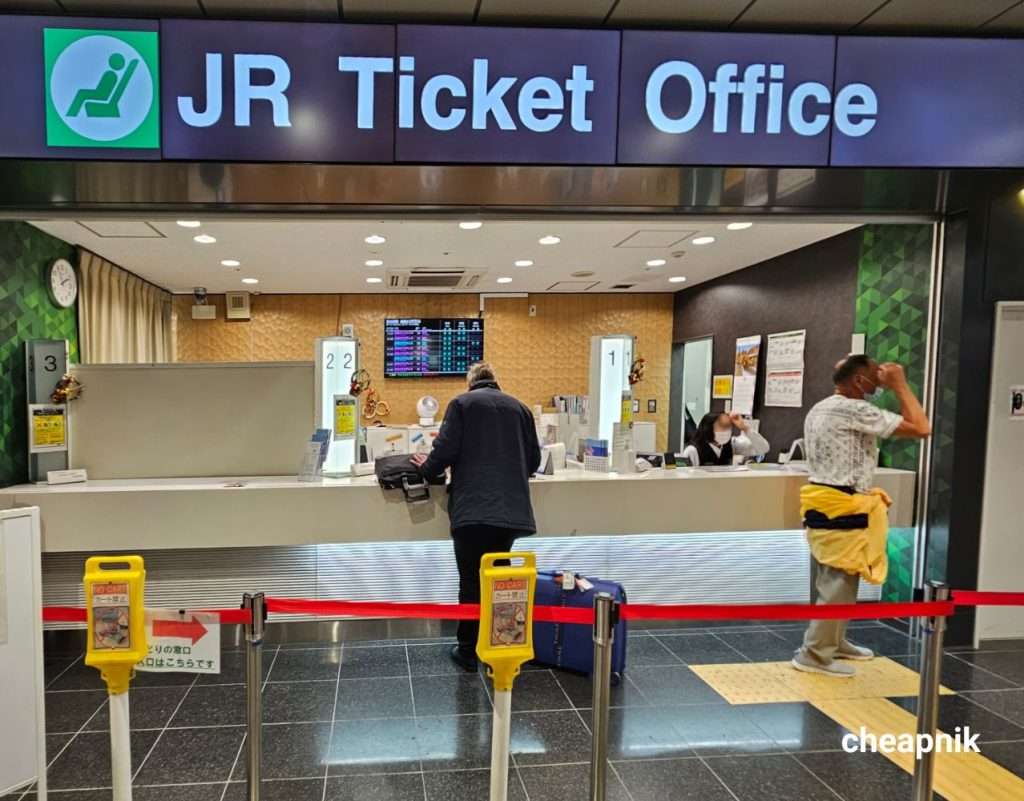
Just look for the green “JR Ticket Office” sign, though sometimes the signage is in Japanese so look for “Midori no madoguchi” (みどりの窓口 – translates to “green window / green ticket office”), or Kippu Uriba (きっぷうりば – ticket window).
If you need to ask for instructions to find where the ticket office is, you can ask “Midori no Madoguchi (or kippu uriba) wa doko desu ka?” – means “where is Midori no Madoguchi (or kippu uriba)”?
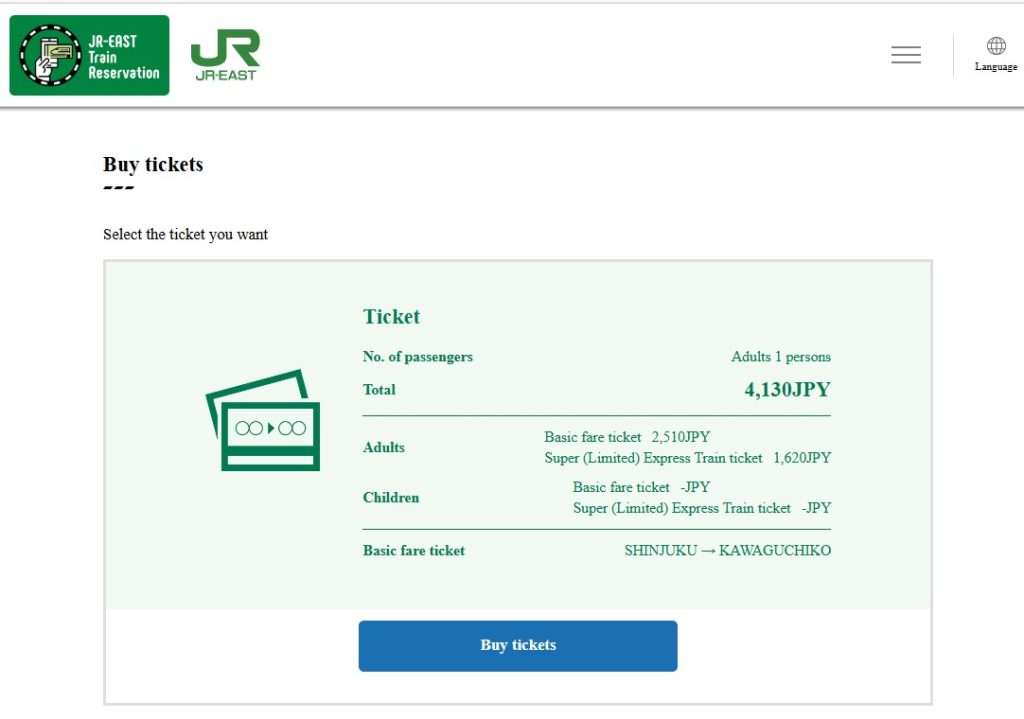
Option 3: Online via JR East’s Online Reservation Website
Ideal if you want to book ahead and select your seats in advance (great for seat selection) – click here to go to their official booking site.
Option 4: Online via Klook
I booked my roundtrip tickets last minute via Klook just a few hours before my trip, and it was super convenient and English-friendly. Booking through Klook includes a small convenience fee (JPY 330 / ~$2.30), but it saves time and avoids potential language barriers and fumbling through machines at the station (no need to know about the confusing process of buying a separate limited express ticket for one ride). Confirmation is instant as well and instructions are in English.
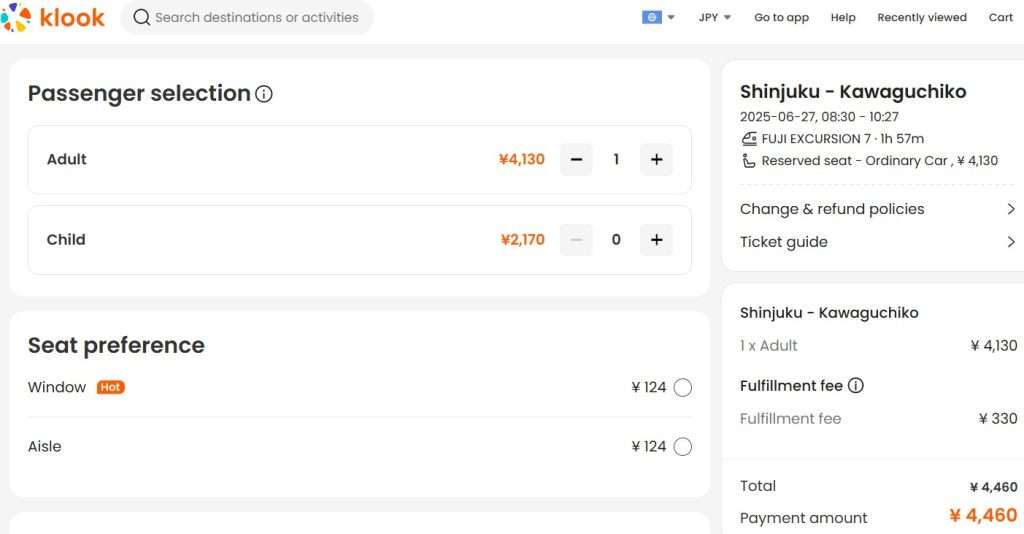
Klook also allows you to reserve seats up to 90 days in advance, which is earlier than the 30-day window offered by JR East . After booking, you’ll receive a QR code to exchange for physical tickets at JR stations.
Tip: Reserve your seat in advance if you want a guaranteed spot—especially a window seat. The views are what make this trip worth it!
5. Fuji Excursion Ticket Prices
These are Fuji Excursion Train Fares (One-Way from Shinjuku Station in Tokyo as of 2025)
| Destination Station | Nearby Attractions | Adult Fare (JPY) | Child Fare (JPY) |
|---|---|---|---|
| Tsurubunkadaigakumae Station | Mount Takagawayama Hiking Trails, Tsuru University Area | ¥4,000 | ¥2,000 |
| Shimoyoshida Station | Chureito Pagoda, Arakura Sengen Shrine | ¥4,060 | ¥2,030 |
| Mt. Fuji Station | Gateway to Fuji trails, Mt. Fuji 5th Station buses | ¥4,060 | ¥2,030 |
| Fujikyu-Highland Station | Fuji-Q Highland Theme Park | ¥4,060 | ¥2,030 |
| Kawaguchiko Station | Stunning views of Mt Fuji, Lake Kawaguchi, Mt. Fuji Panoramic Ropeway, Museums, Onsen Ryokans | ¥4,130 | ¥2,060 |
Note: All prices are based on updated 2025 fares. Child fares are half the price of adult fares. These are reserved seat fares for the Fuji Excursion Limited Express from Shinjuku Station.
Fuji Excursion Ticket Breakdown
A one-way adult ticket from Shinjuku to Kawaguchiko is totalled at ¥4,130 for simplicity, but it actually comprises of two tickets. To avoid confusion when getting your tickets, do know that you’re actually buying two tickets each way when buying a Fuji Excursion ticket so don’t get surprised when the machine gives you two tickets per way. Here’s the fare breakdown for clarity:
Route: Shinjuku ⇄ Kawaguchiko
(via JR Chuo Line + Fujikyu Railway on a direct Limited Express Fuji Excursion train)
One-Way Fare
| Fare Type | Adult (JPY) | Child (JPY) |
|---|---|---|
| Basic Fare Ticket – Standard fare for the distance traveled | ¥2,510 | ¥1,250 |
| Limited Express (Reserved) – Additional fee for the limited express service. | ¥1,620 | ¥810 |
| Total (One Way) | ¥4,130 | ¥2,060 |
Round-Trip Fare
| Type | Total (JPY) |
|---|---|
| Adult | ¥8,260 |
| Child | ¥4,120 |
These fares already include both components, ensuring a reserved seat on the Fuji Excursion train.
Note for JR Pass holders: If you have a JR Pass, you can use it for the JR portion of the ride (Shinjuku to Ōtsuki), but you still need a separate ticket for the Fujikyuko Line section (Ōtsuki to Kawaguchiko). More on JR Pass holder tips below.
Another heads-up: the Fuji Excursion only lets you disembark at your ticketed station. It’s not a hop-on, hop-off train (no stopovers permitted because it’s just a one-way ticket). If you want to explore multiple stations along the line, you’ll need separate tickets or use local buses/taxis once in the area.
6. Fuji Excursion Train Schedule
The Fuji Excursion typically runs 4 roundtrips daily. Travel time is roughly 1 hour and 55 minutes each way.
From Shinjuku Station to Kawaguchiko Station:
- 7:30 AM → 9:28 AM
- 8:30 AM → 10:27 AM
- 9:30 AM → 11:29 AM
- 10:30 AM → 12:23 AM
From Kawaguchiko Station to Shinjuku Station:
- 2:09 PM → 4:07 PM
- 3:00 PM → 4:59 PM
- 4:49 PM → 6:45 PM
- 5:40 PM → 7:47 PM
Additional services may operate on weekends and holidays. Always check the latest schedule timetable in the before your trip.
7. How to board the Fuji Excursion train departing from Shinjuku Station (Tokyo)
The Fuji Excursion train usually departs from Shinjuku Station in Tokyo, one of the busiest (and most overwhelming) train stations in the world so I strongly suggest that you arrive at least 30 minutes to an hour before your scheduled departure – especially if you’re unfamiliar with the train station’s layout – so you have time to find the boarding platform and not miss your train.
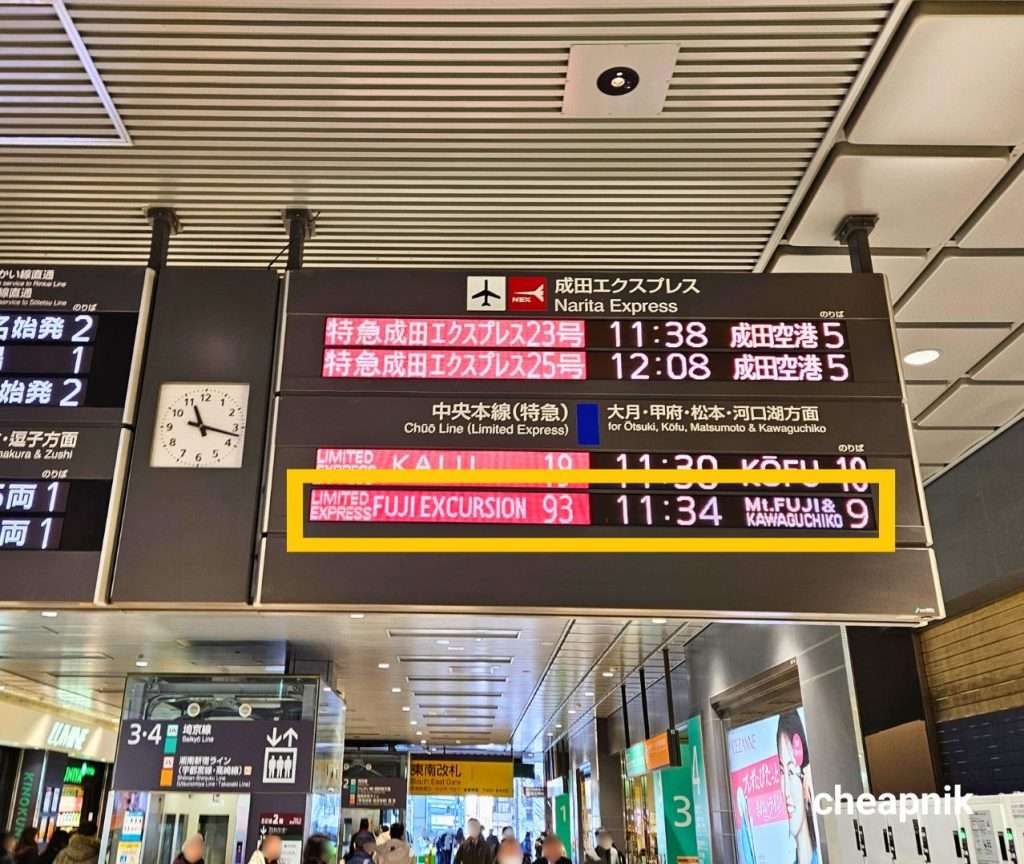
The Fuji Excursion typically departs from Platform 9 or 10, but always double-check the electronic departure boards and your ticket. The train is labeled as a Limited Express Fuji Excursion, and your ticket will indicate the train number (e.g., Fuji Excursion 3).
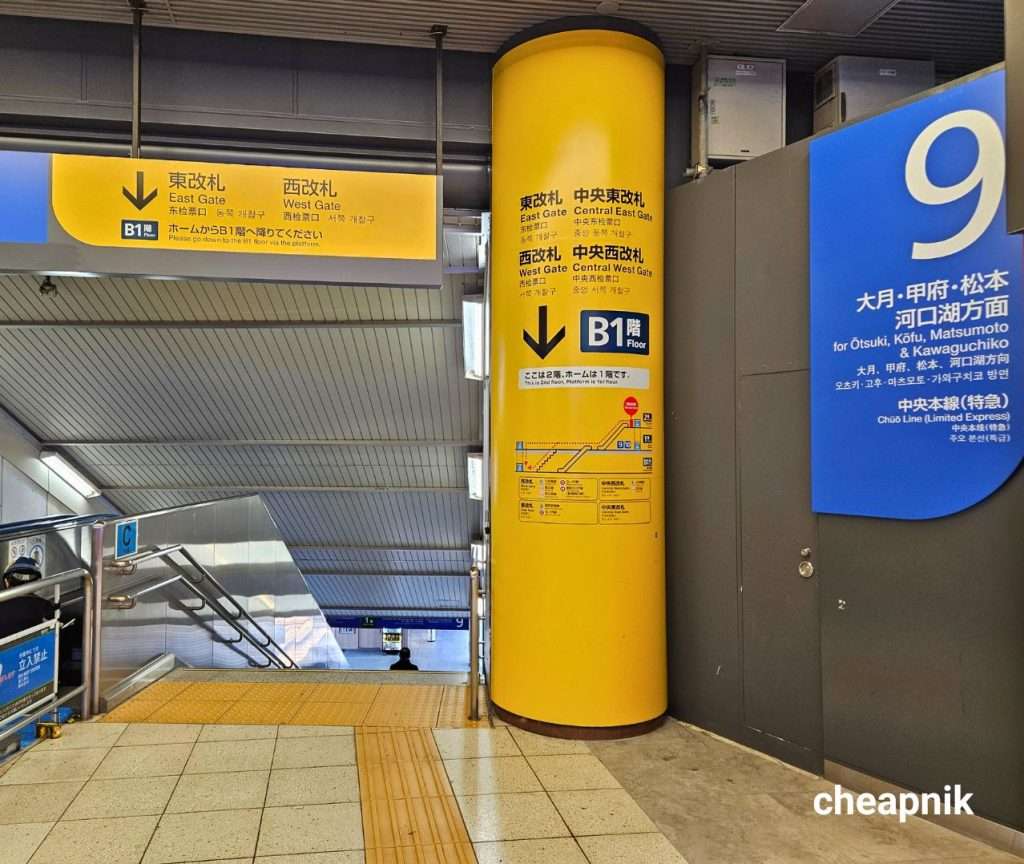
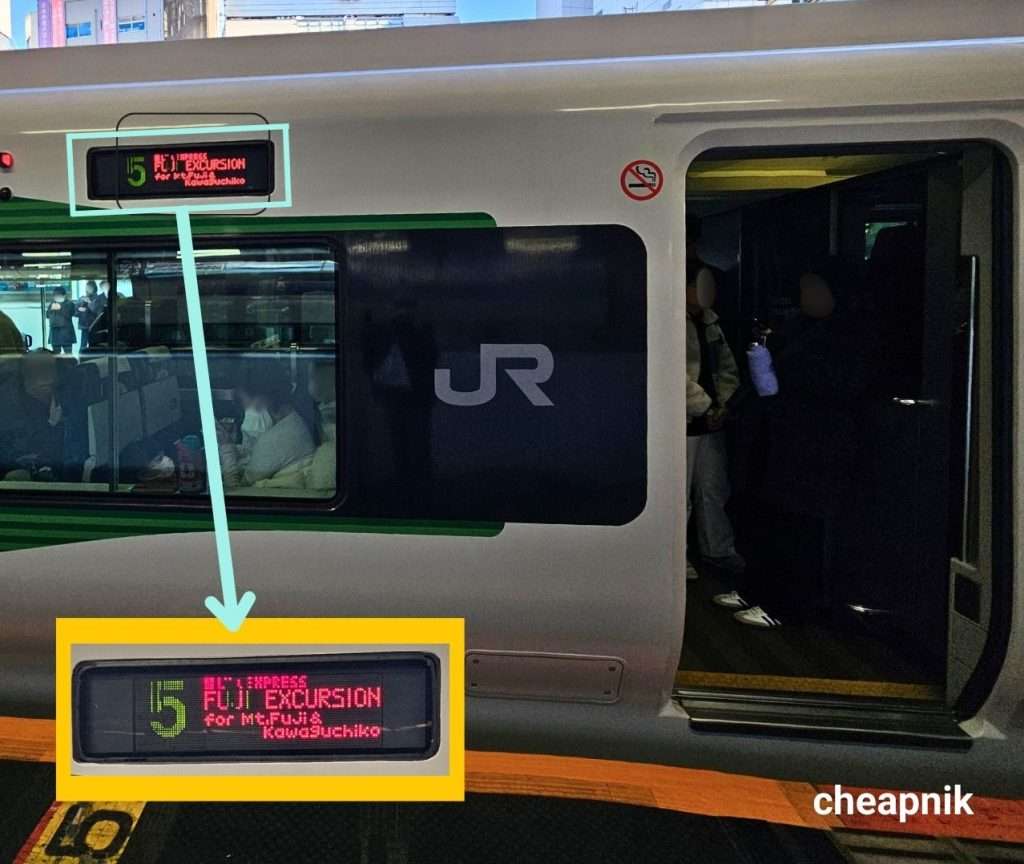
Line up at your designated car and seat number (which is printed on your ticket). Japan’s trains are known for punctuality – they leave right on the dot, so please don’t be late!
8. My Fuji Excursion Train Experience (Shinjuku Station going to Kawaguchiko Station)
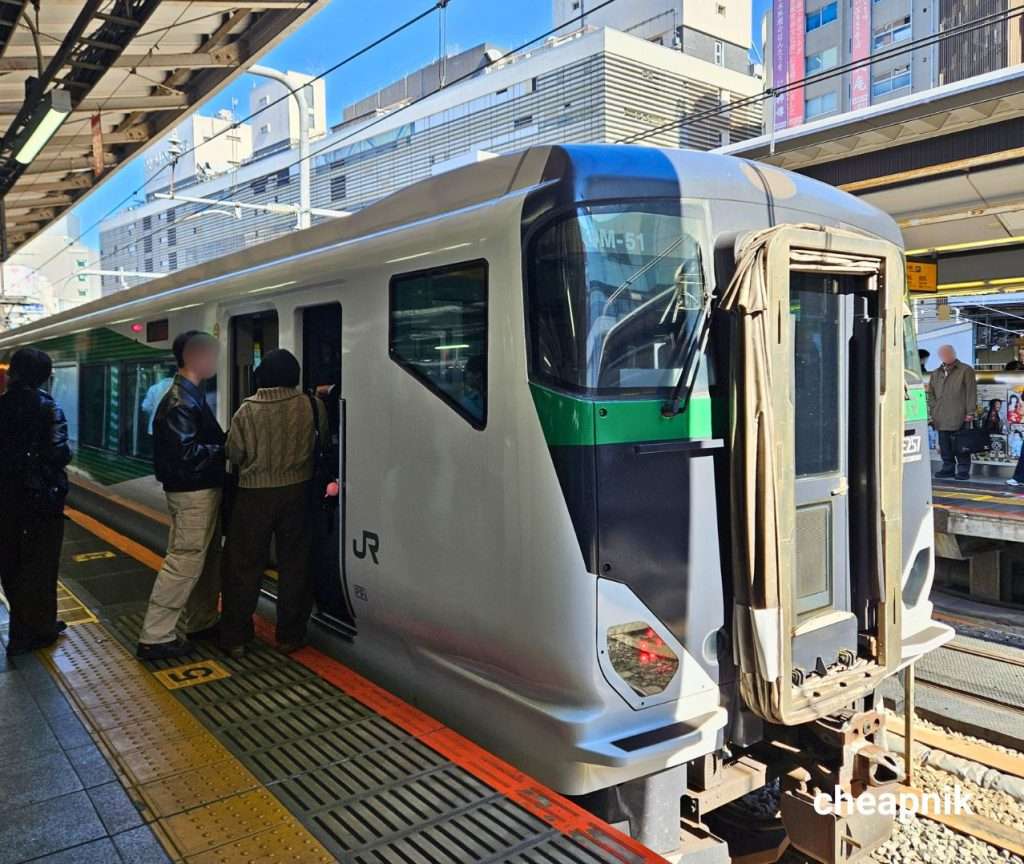
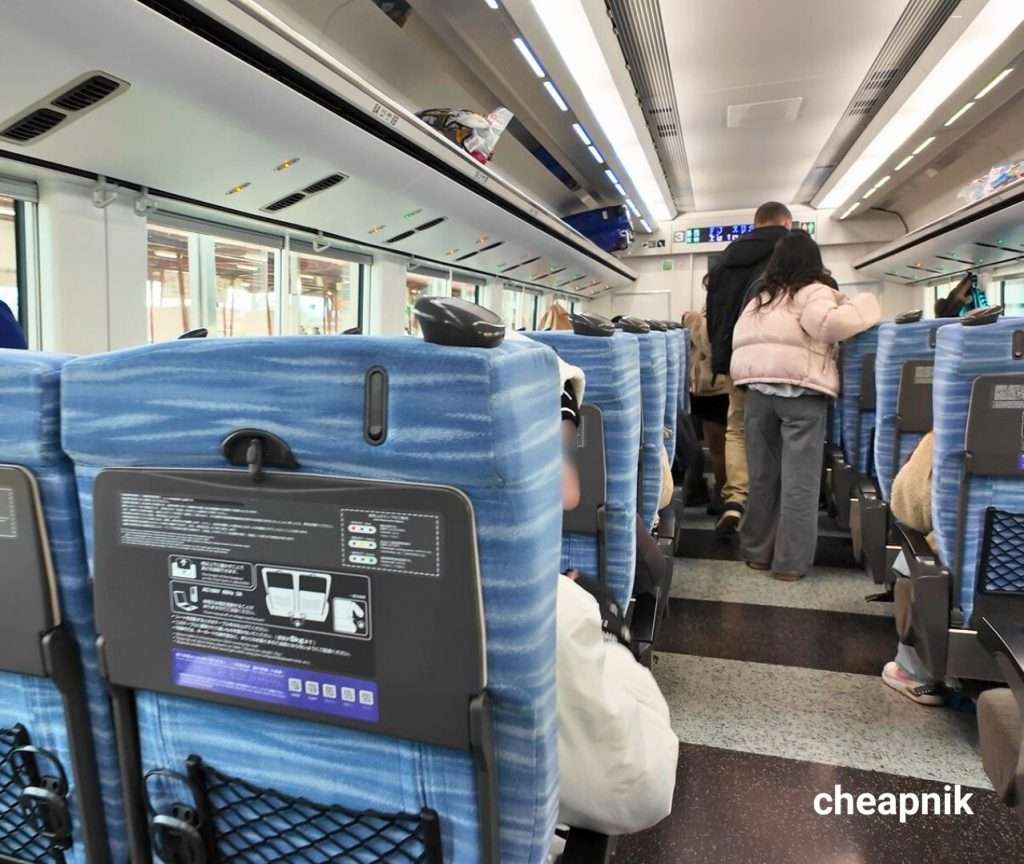
On the way to Kawaguchiko, I boarded the E257 series train—a sleek black, white, and green model with a streamlined look and wide windows. On the return trip, I got the newer and more futuristic-looking E353 series, with its signature blue and white design. Both were equally comfortable and had similar interiors: cushy reclining seats, plenty of legroom, luggage space overhead, and clean onboard restrooms.
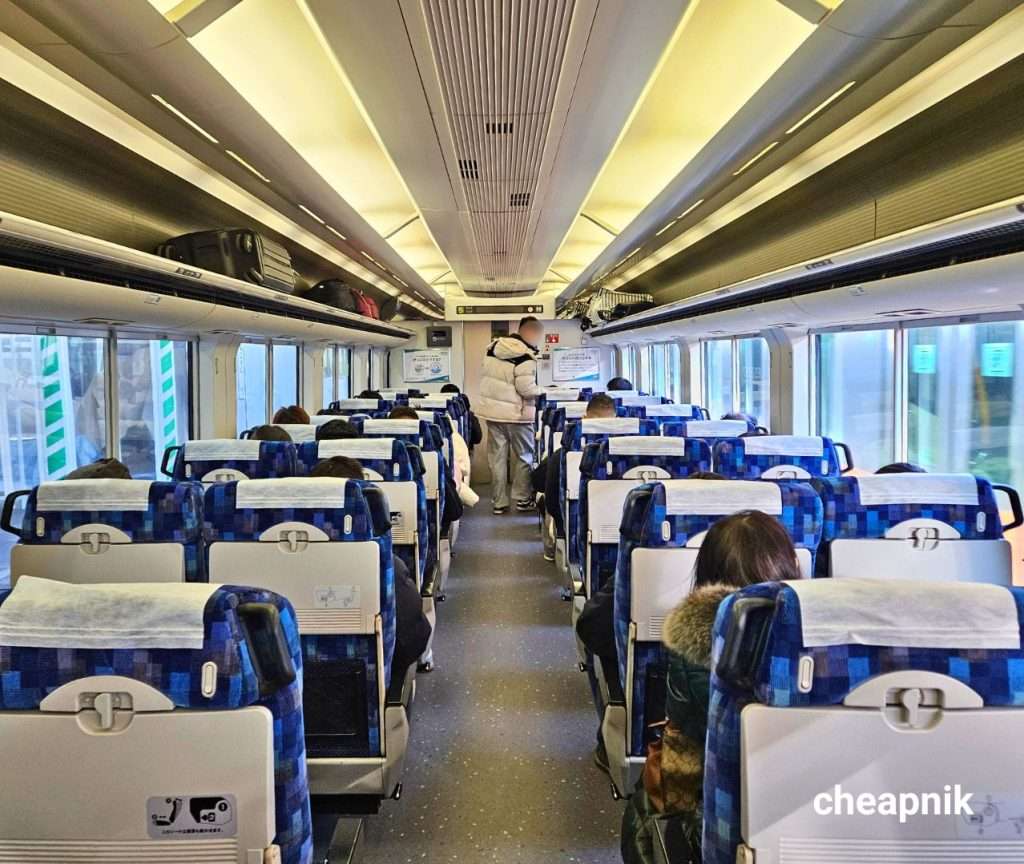
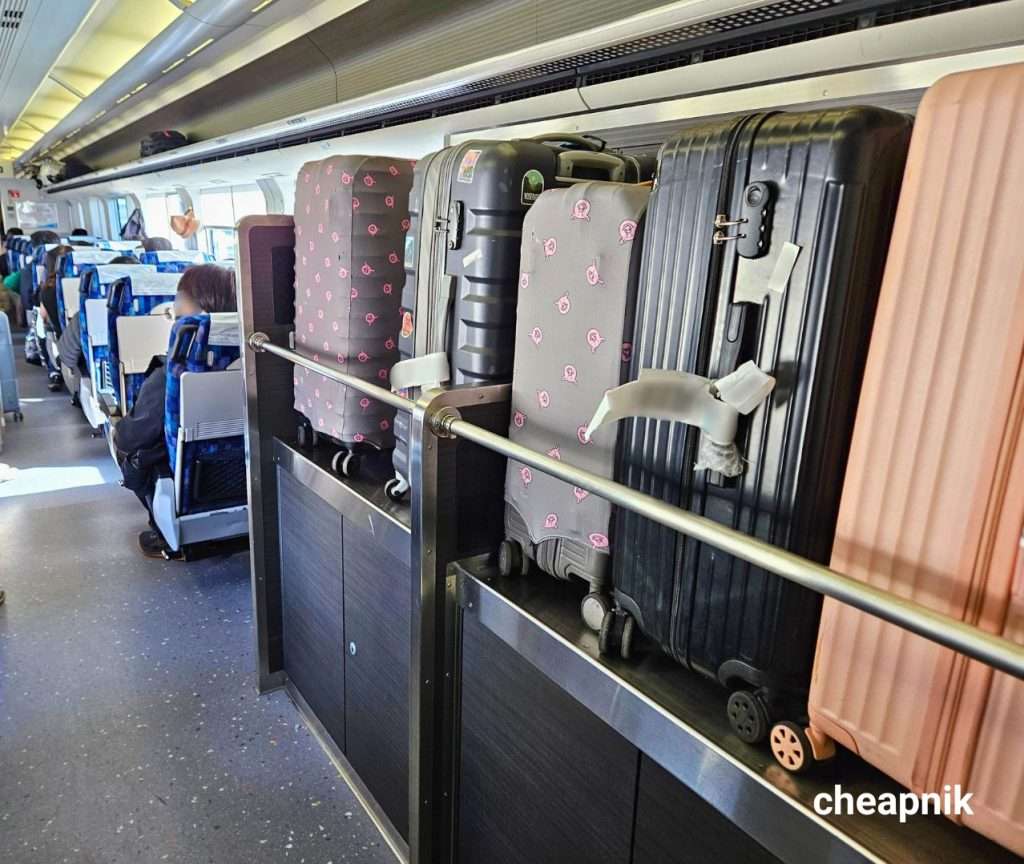
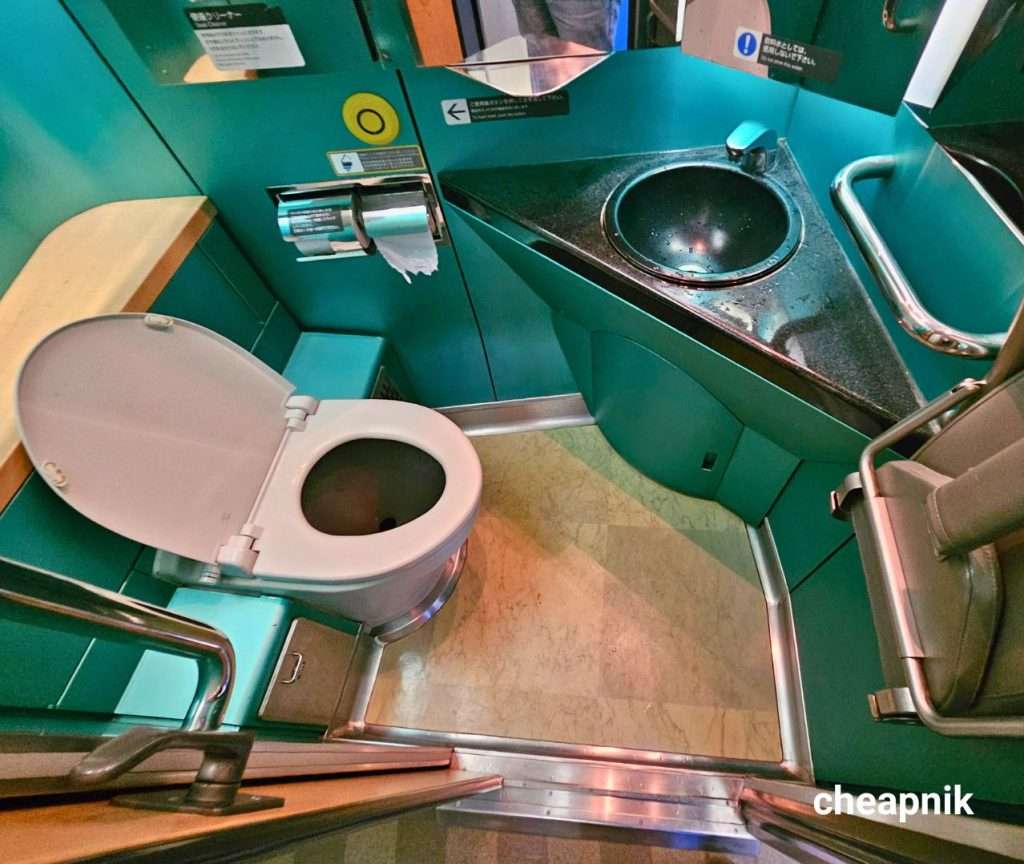
What stood out most? The views.
From the moment we left Tokyo, the scenery gradually transitioned from Tokyo’s skyscrapers to rivers, tunnels, terraced hills, and traditional countryside homes. The highlight, of course, was Mt. Fuji itself, visible several times from the right side of the train which was where I was sat at (especially as you approach the Fujikyu Line).
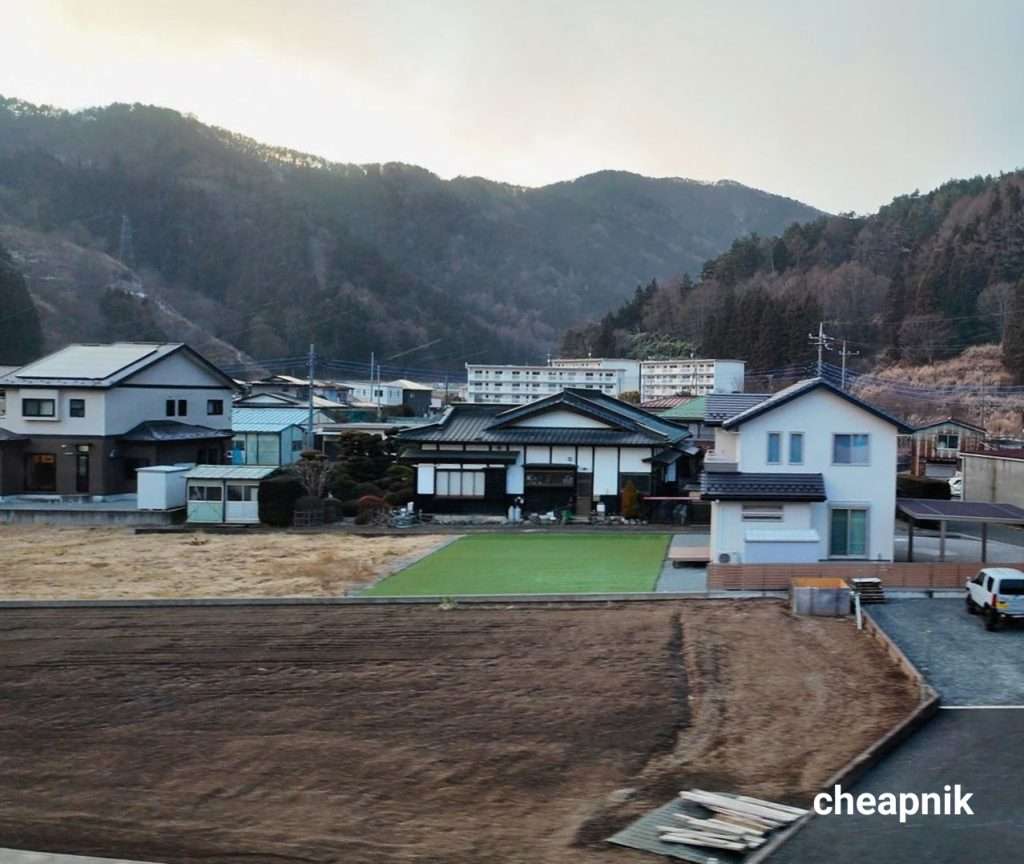
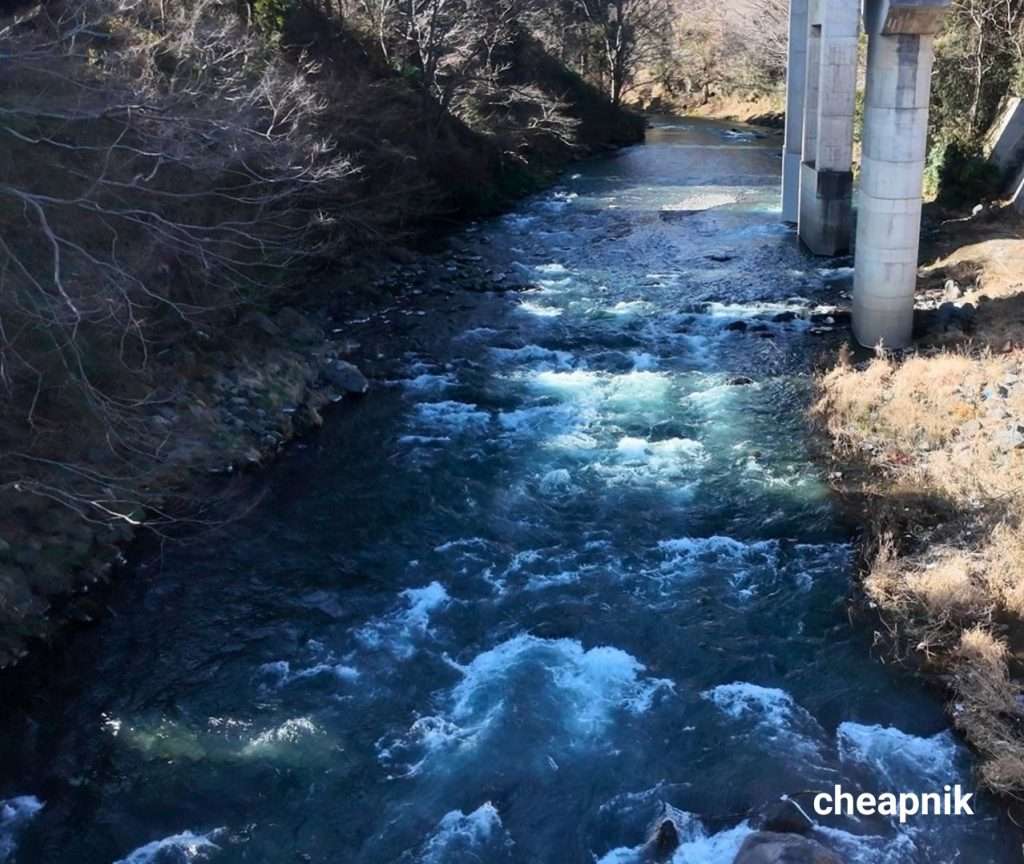
Even in the dead of winter, the landscapes were just as stunning and even the creeks, rivers, and valleys were striking, and I even spotted a rainbow on a large river at one point! I had an ekiben (train station bento) I picked up before boarding, which made for the perfect window seat lunch – with the scenic views it felt like I was on a luxury train ride. Note: If you miss out on buying ekiben at the train station, inside the train once you have departed there will be staff bringing out snack carts on occasion – sometimes they bring them out, sometimes they don’t so better get your bento or snacks at the train station before you depart (hence, another reason to go to the train station earlier :P).
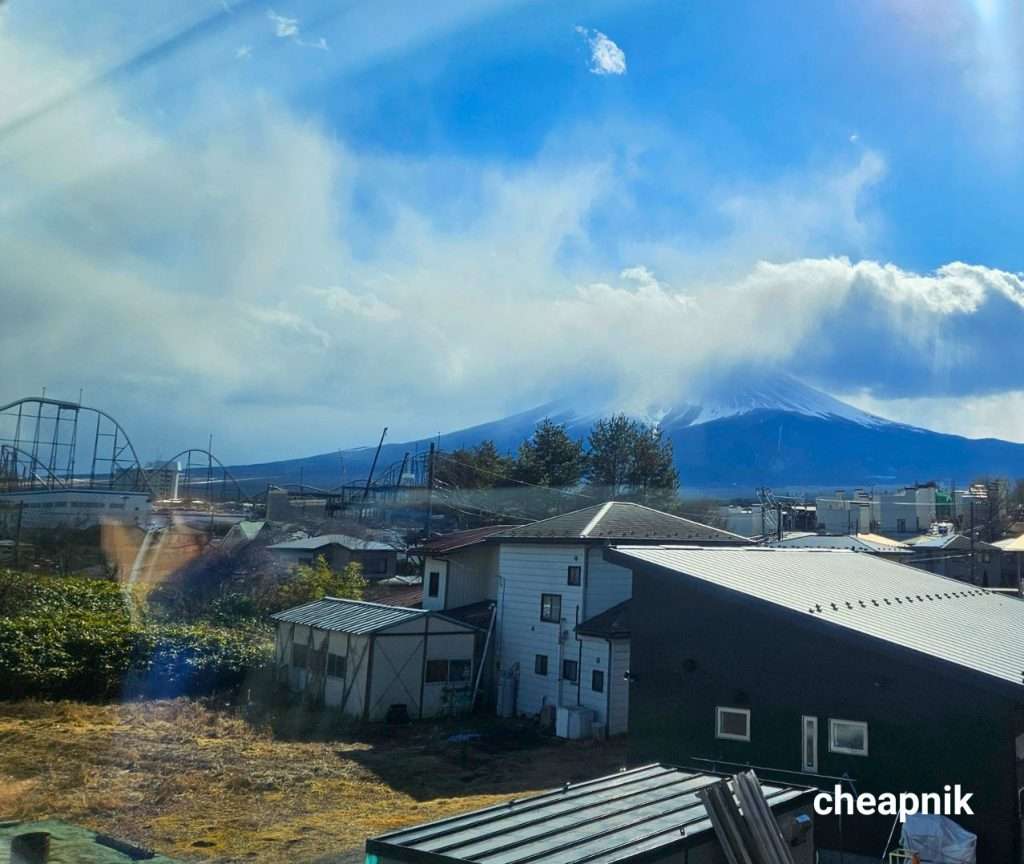
My favorite part? Watching Mt. Fuji grow larger and clearer as we approached Kawaguchiko Station. The train slowed down as it entered the Fujikyuko Line, making it easier to soak in the mountain views and take photos.
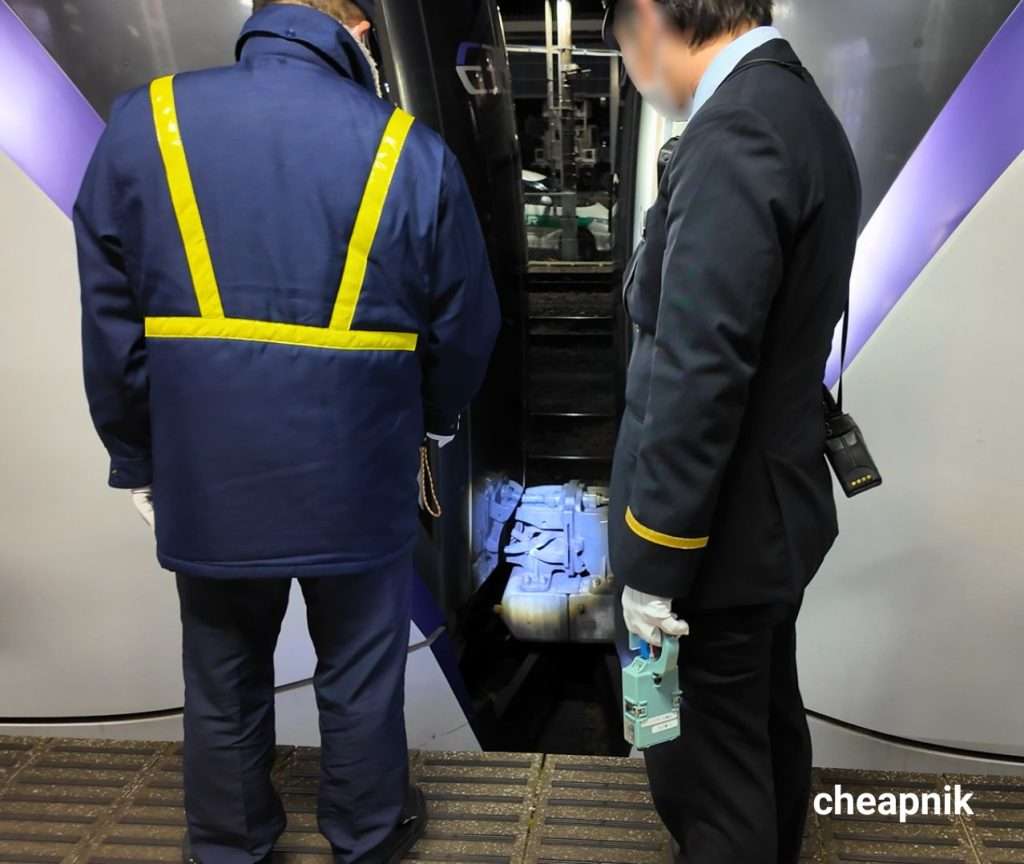
One station along the route (Ōtsuki Station) includes a longer stop (it felt like it was about 15 minutes or maybe more) where the JR Chuo line train connects with the Fujikyuko line train bound for Kawaguchiko (effectively eliminating the need for transfers). It can last about 15 minutes or more, so don’t panic—it’s normal. It’s a good time to stretch your legs and witness the coupling/uncoupling action at the station.
Take note: If you don’t buy a reserved seat ticket, you may end up having to find somewhere to stand (there were a lot of people standing near the vestibule area or between train cars) if it’s a sold-out trip. Not ideal for a 2-hour ride.
9. Departing from Kawaguchiko Station (Back to Shinjuku Station in Tokyo)
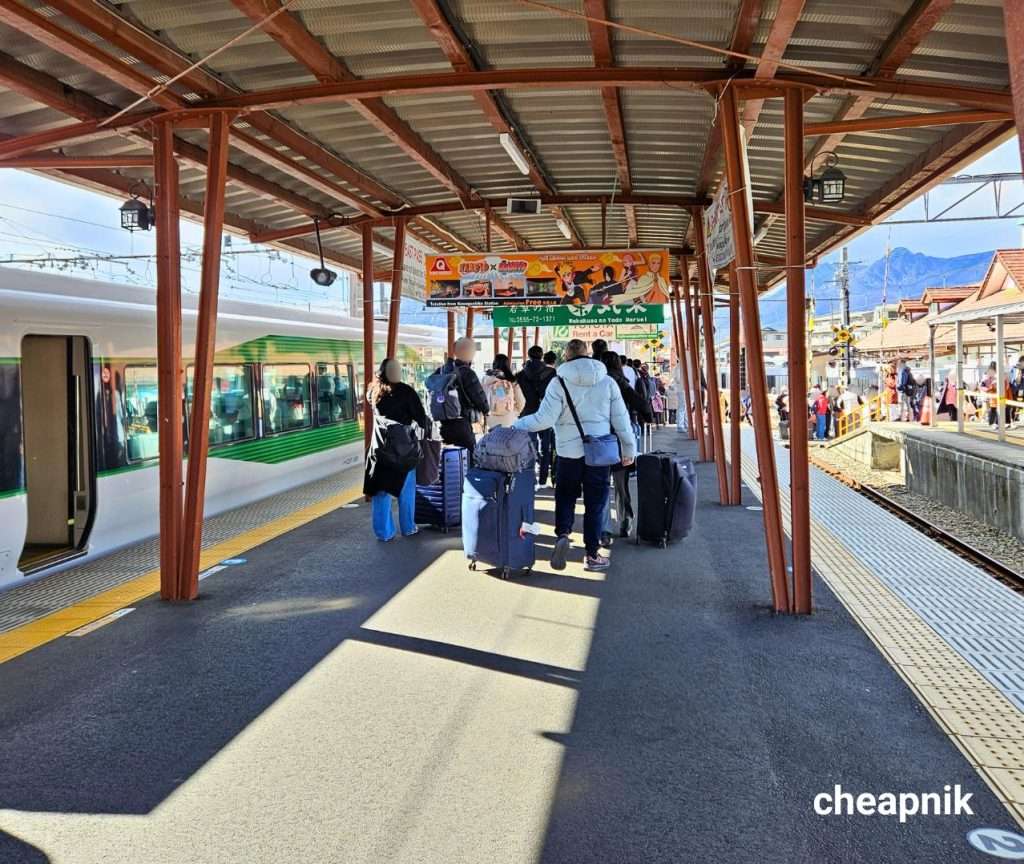
Kawaguchiko Station is small and easy to navigate, but don’t let the relaxed vibe fool you because it’s buussyy! The Fuji Excursion train runs on Japanese punctuality, so you’ll want to be ready before departure time.
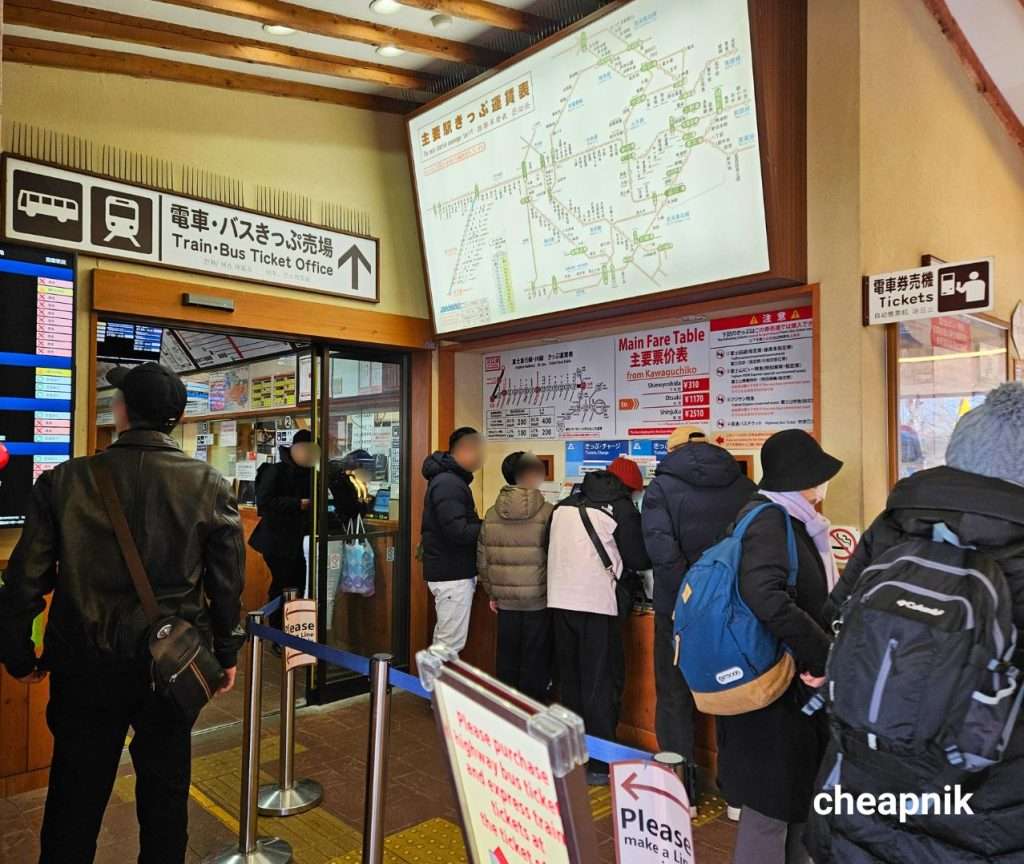
If you plan to also take the Fuji Excursion train back to Tokyo, note that you cannot pick up Fuji Excursion train return tickets at Kawaguchiko Station – this means that you need to get your return tickets at Shinjuku Station before you depart for Mt. Fuji. Kawaguchiko Station is part of the Fujikyu Railway line (not operated by JR East), hence it does not sell or issue Fuji Excursion tickets. These tickets must be purchased in advance either online or at JR East stations in Tokyo, such as Shinjuku Station.
If you didn’t reserve in advance, you will have to pay for the Fujikyu segment at Kawaguchiko Station before boarding, which can easily get confusing and a little inconvenient so please just get your return tickets at Shinjuku Station.
Missing My Return Train (What If You Miss Your Train?)
I wasn’t quite ready to leave after seeing the beauty of Kawaguchiko. I wanted just a bit more time, so much so that I ended up missing my reserved Fuji Excursion train back to Shinjuku. 😀
I went straight to the ticket counter at the station, and one of the staff members was so kind to help me out. He explained that while I had missed my reserved seat, I could still board the next Fuji Excursion train – I just wouldn’t have an assigned seat.
Sure enough, the train was packed, and I had to stand in the back of the car near the vestibule (that little entry area near the doors and bathrooms). It was cramped – and not too comfortable if you’re standing there with all the other passengers who also missed their reserved-seating train. I stood for the first half of the ride and then took an empty seat once passengers got off.
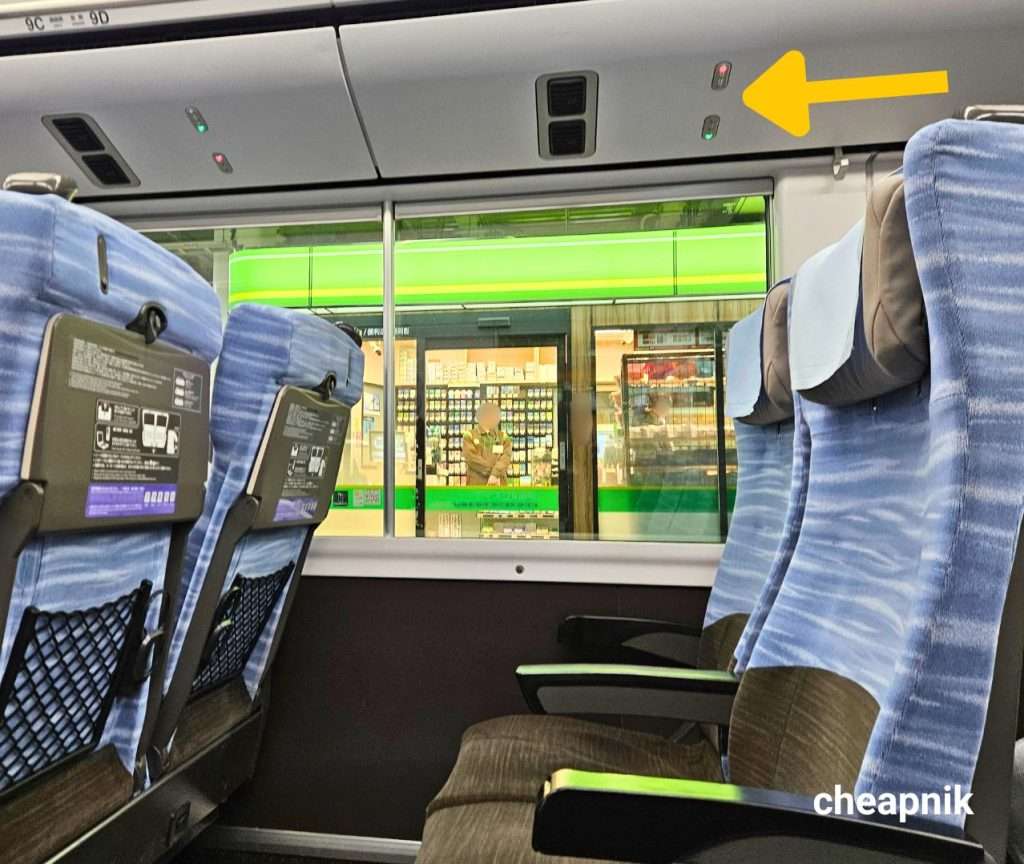
If you think you might want more time at Kawaguchiko especially if you’re on a day tour, consider booking your return trip with a bit of buffer, or else you won’t get the full value of your reserved seating ticket if you miss your train and you’ve no choice but to stand for the first half of your journey.
10. Important Note for JR Pass Holders: What You Need to Know Before Boarding the Fuji Excursion
If you’re a JR Pass holder eyeing a day trip to Kawaguchiko via the Fuji Excursion Limited Express, here’s what you need to know (because while the train is partially covered, it’s not as straightforward as hopping on and flashing your pass).
Not sure what a JR Pass is and if it's right for you? Check out my JR Pass tips blog post to get more info on what it is as well as how to buy and use it.
What’s covered
Your JR Pass will fully cover only the JR East portion of the journey – basically from Shinjuku Station to Ōtsuki Station.
What’s not covered
The section from Ōtsuki to Kawaguchiko is operated by the private Fujikyu Railway, and unfortunately, not covered by the JR Pass. You’ll need to pay separately for this portion (¥1,710 if using the Fuji Excursion with a reserved seat).
How to buy your Fuji Excursion ticket as a JR Pass holder
When reserving your seat, go to any JR ticket counter (Midori no Madoguchi) and let the staff know you’re using the JR Pass. They’ll issue a seat reservation only for the JR section (Shinjuku–Ōtsuki). You’ll then need to pay the Fujikyu portion separately at Ōtsuki Station or Kawaguchiko Station.
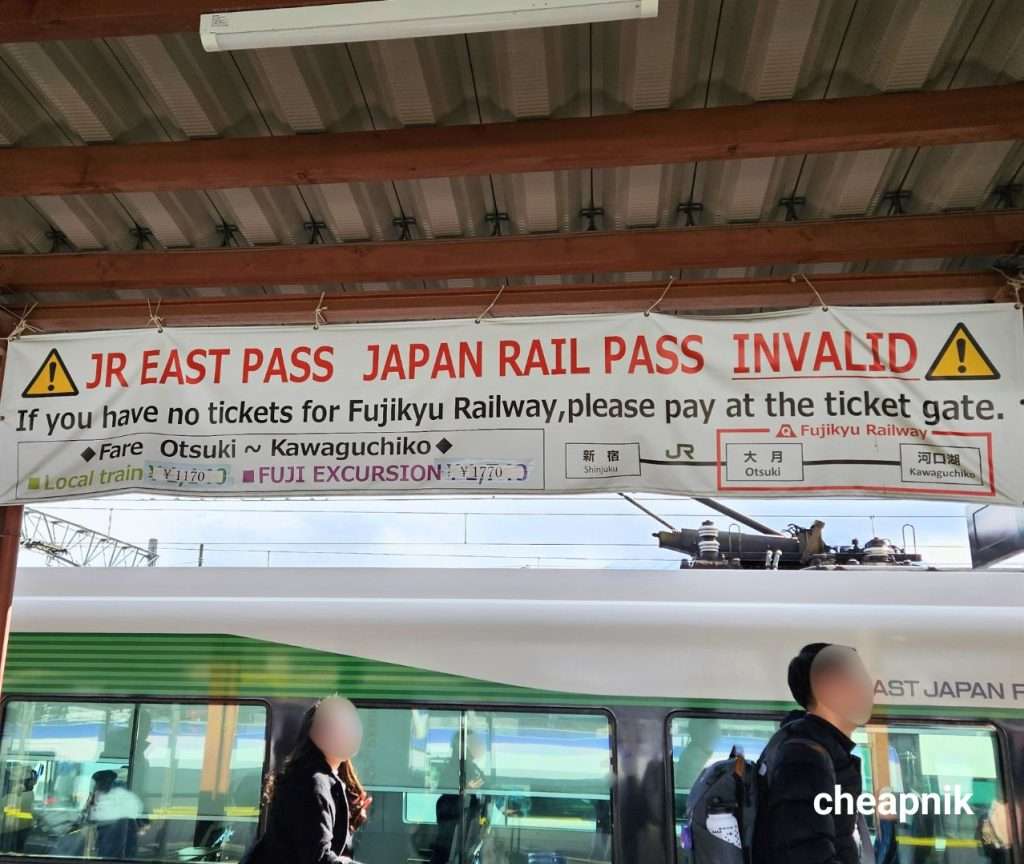
For the return trip from Kawaguchiko to Shinjuku
This is where it gets a bit tricky. Since Kawaguchiko Station is operated by Fujikyu, they can’t issue JR seat reservations. So if you’re taking the Fuji Excursion back to Tokyo, you’ll need to book your JR seat in advance (before departing from Tokyo), or take your chances and sit in non-reserved seating, if available.
As for the Fujikyu segment of your return trip, you may buy your Fujikyu return ticket at Kawaguchiko Station so that you have the ticket to hop on the Fuji Excursion train on your way back to Tokyo. Once the train is in the JR Line, your JR Pass automatically covers for that segment of the trip.
Even though the train is direct, it’s split between JR and Fujikyu operations behind the scenes. Always confirm the car number and seat info carefully, especially for the return leg, so you don’t find yourself without a reserved seat.
11. Fuji Excursion Train: Pros and Cons
The Fuji Excursion train is one of the most convenient ways to travel from Tokyo to Kawaguchiko, especially for those planning a day trip to see Mt. Fuji. However, like any travel option, it comes with both advantages and drawbacks. Here’s a quick look at the key pros and cons to help you decide if it’s the right choice for your itinerary.
Pros
- Direct train ride from Shinjuku Station (Tokyo) to Kawaguchiko Station (Mt. Fuji viewpoint)
- No transfers required – just board in Tokyo and get off at Mt. Fuji’s doorstep.
- Large scenic windows
- Enjoy beautiful countryside views, with Mt. Fuji making an appearance on clear days. Sit on the right side for the best vantage points heading out.
- Reserved seating for a peaceful journey
- Every seat is assigned, so there’s no need to rush or worry about standing if you have purchased a reserved seating ticket – perfect for a comfortable, relaxed ride.
- Comfortable and clean
- The trains are modern, quiet, and equipped with spacious seats, restrooms, and room to stretch.
- Easy to book online
- Tickets can be purchased in advance through platforms like Klook, making it foreigner-friendly and hassle-free.
- Perfect choice for day trips
- The schedule fits well for morning departures and evening returns, ideal if you’re visiting Kawaguchiko without staying overnight.
Cons:
- Seats can sell out (especially window seats)
- Popular times and seasons fill up fast, so booking early is highly recommended.
- Can have limited departures
- Fewer departure times mean less flexibility. If you miss your train, you may have to wait hours or switch to a local line.
- Not fully covered by the JR Pass
- Unless you have a specific regional pass, you’ll need to pay separately for this train.
- Slightly more expensive than local trains or buses
- Fares are around ¥4,130 one way, which is a little higher than most local trains or buses.
- Limited flexibility for station-hopping
- This isn’t a hop-on-hop-off service. If you want to stop at places like Otsuki or Shimoyoshida, you’ll need separate tickets.
- Can be crowded, especially in peak season
12. Alternatives to the Fuji Excursion
While the Fuji Excursion is the most direct and comfortable train to Kawaguchiko, it’s definitely not the only option. Whether you’re on a tighter budget, want more flexibility, or you just missed out on booking the Fuji Excursion train, I’ve broken down all the best alternatives to the Fuji Excursion in this separate post. Check it out if you’re still weighing your options!
If you need help figuring out the available transport options to get around Kawaguchiko Station and the Fuji Five Lakes area, check out my Getting around Kawaguchiko blog post to help you pre-plan your trip.

If you're planning to go on just a day trip, check out my blog post on the top things to do in Kawaguchiko on a day trip from Tokyo.
13. Is the Fuji Excursion Train Worth It?
Absolutely. 100%! The ride itself is relaxing, beautiful, and makes getting to Mt. Fuji an experience, not just a regular commute. Just by its countryside views, the comfort onboard, and the pleasure of riding a Japanese train with large windows for that spectacular view of Mt. Fuji, I’d highly recommend it. If you’re planning to see Mt. Fuji and want a smooth, scenic journey that lets you explore at your own pace, the Fuji Excursion train is the way to go.
Happy travels, and may Mt. Fuji be clear when you visit!
Book your Fuji Excursion tickets here
Let me know in the comments—have you taken the Fuji Excursion train? Or do you have questions about taking this trip?


