Opens in a new tab

Hoppy Street in Asakusa: Tokyo’s Retro Drinking Street

If you see a strip of red lanterns glowing west of Sensoji Temple and hear glasses clinking at noon, you’ve found Hoppy Street.
Tourists along Hoppy Street in Asakusa

Hoppy Street is the kind of place you “just pop by” and somehow leave three hours later smelling like grilled chicken. It’s a tight little alley in Asakusa packed with open-front izakaya, plastic stools, and a bunch of locals and tourists alike probably enjoying a glass of Hoppy, a tsukune (chicken meatball skewers) and beef tendon stew. Locals call it Nikomi Dori because of the stew, but the street’s real “mascot” if you will, is Hoppy, a retro beer-like drink. The whole experience at Hoppy Street just feels like a Showa-era block party that forgot to end.
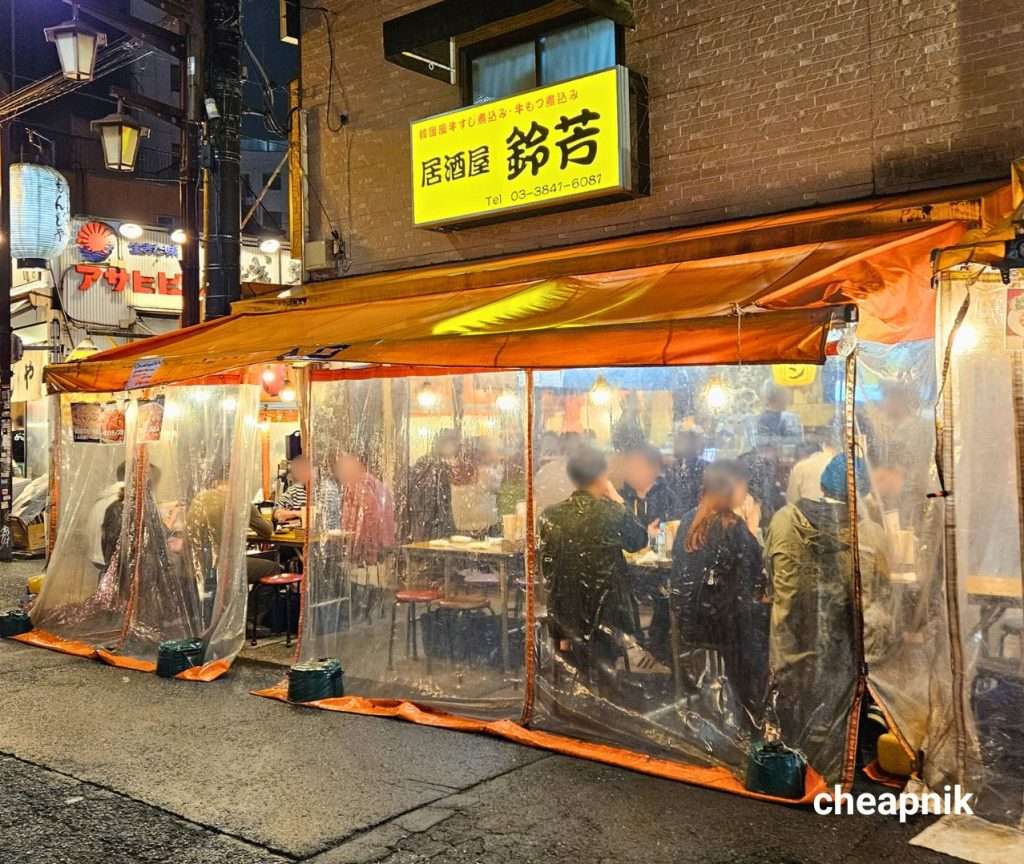
Izakaya Suzuyoshi in Hoppy Street Asakusa
Izakaya Suzuyoshi (居酒屋 鈴芳) along Hoppy Street

What’s so special about Hoppy Street and what is a Hoppy, even?

Hoppy Street (ホッピー通り, Hoppy Dori) is a tiny lane glowing with red lanterns, tables spilling into the street, giving it the lively energy of a Southeast Asian drinking street plus the nostalgic charm of retro Tokyo. The street itself dates back to postwar Tokyo when locals needed somewhere cheap to eat, drink, and shake off the grind of rebuilding the city. Officially, the street’s name is Koen Hondori Shopping Street (it was once a shotengai or a shopping street), but no one calls it that anymore.

So, what exactly is Hoppy even? Back in 1948, real beer was crazy expensive. Japan was rebuilding, salaries were thin, and imported ingredients for brewing were luxuries. Enter Hoppy: a low-alcohol, beer-like beverage (primarily made from malt, starch syrup, hops, and water) created as a clever substitute. On its own it’s just 0.8% alcohol, but pair it with a solid pour of shochu and suddenly you had something that tasted close enough to the real deal without wrecking your wallet. You’ll hear regulars toss around two words: “soto” for a fresh bottle of Hoppy, and “naka” for shochu – order a “Hoppy set” to get the pair.
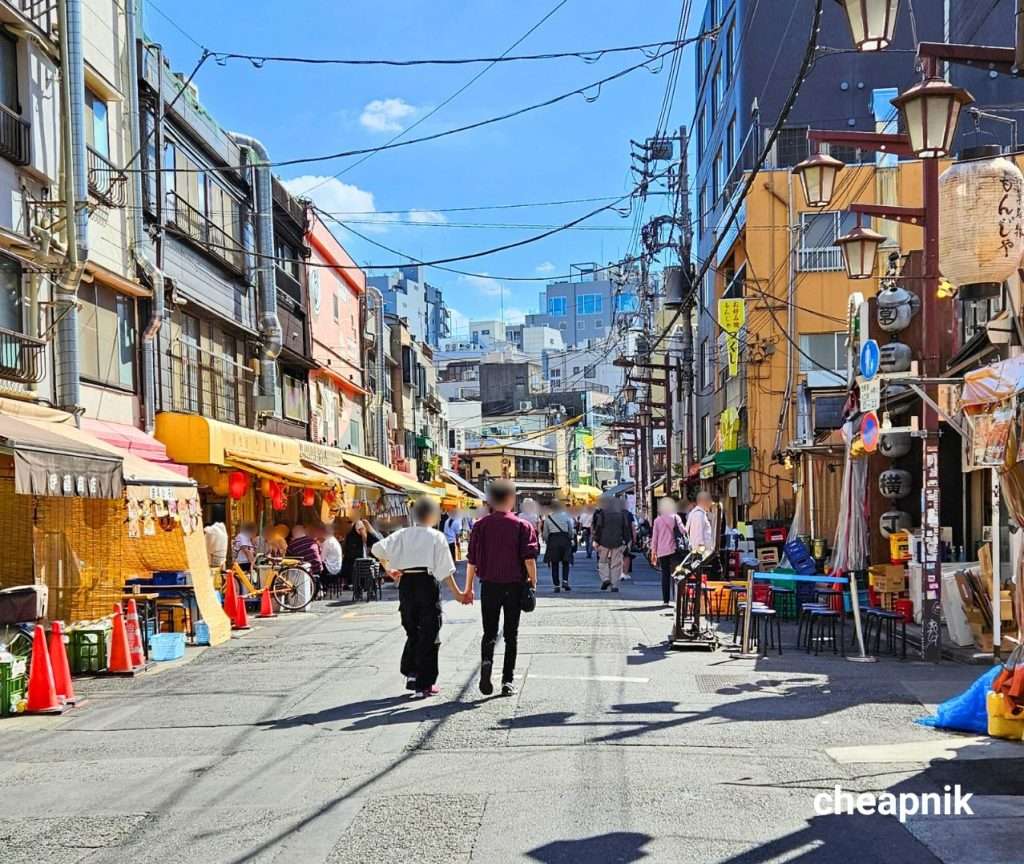
Hoppy Street Asakusa

My Hoppy Street Experience / Recommendation

There are so many izakayas to choose from along Hoppy Street – in fact there are even more tiny izakayas cramped along the narrow alleys crossing Hoppy lane where a bunch of larger izakayas spill into the street, so choosing where to go is somewhat of a mini-dilemma (but a great problem to have). These were some of the izakayas I checked out:
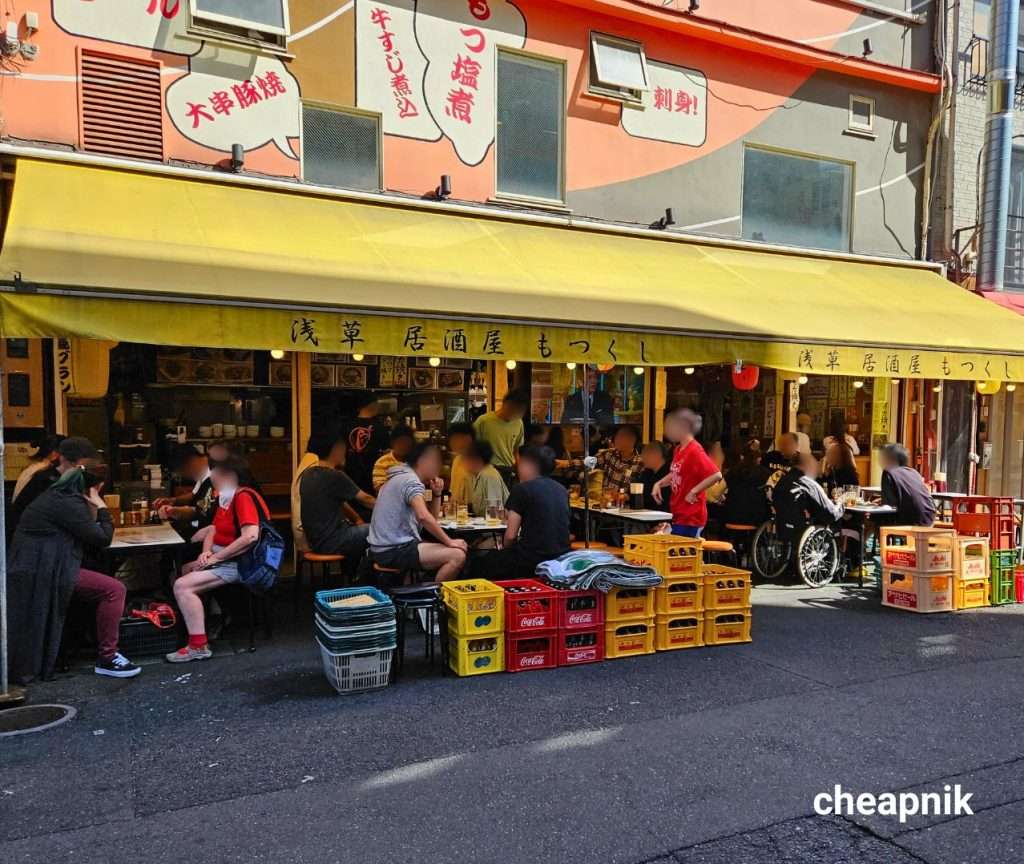
Asakusa Izakaya Motsukushi along Hoppy Street
Izakaya Motsukushi (居酒屋 もつくし)
  • Izakaya Motsukushi (居酒屋 もつくし) – Motsukushi is a two-story izakaya right on Hoppy Street, known for its nikomi stews, kushiyaki (grilled skewers), sashimi, and pork giblet variants. It offers tatami seating upstairs for a more relaxed vibe.
  • Izakaya Natori (居酒屋 七十里) – Natori is a compact, smoky izakaya where the draw is simple: yakitori fresh off the grill and a bubbling pot of nikomi (stewed offal). It’s the kind of spot where locals crowd in, beer or Hoppy in hand.
  • Izakaya Don (居酒屋 どん) – Don is famous for its shio gyusuji nikomi which is perfect with Hoppy. Add in skewers or sunagimo ponzu, and you’ve got a straightforward, no-miss stop on Hoppy Street.
  • Izakaya Suzuyoshi (居酒屋 鈴芳) – Their menu includes a spicy, Korean-style beef tendon stew as well as yakitori, grilled fish, and sashimi. The ambiance is classic Shōwa-era izakaya—warm, slightly crowded, and heavy with atmosphere.
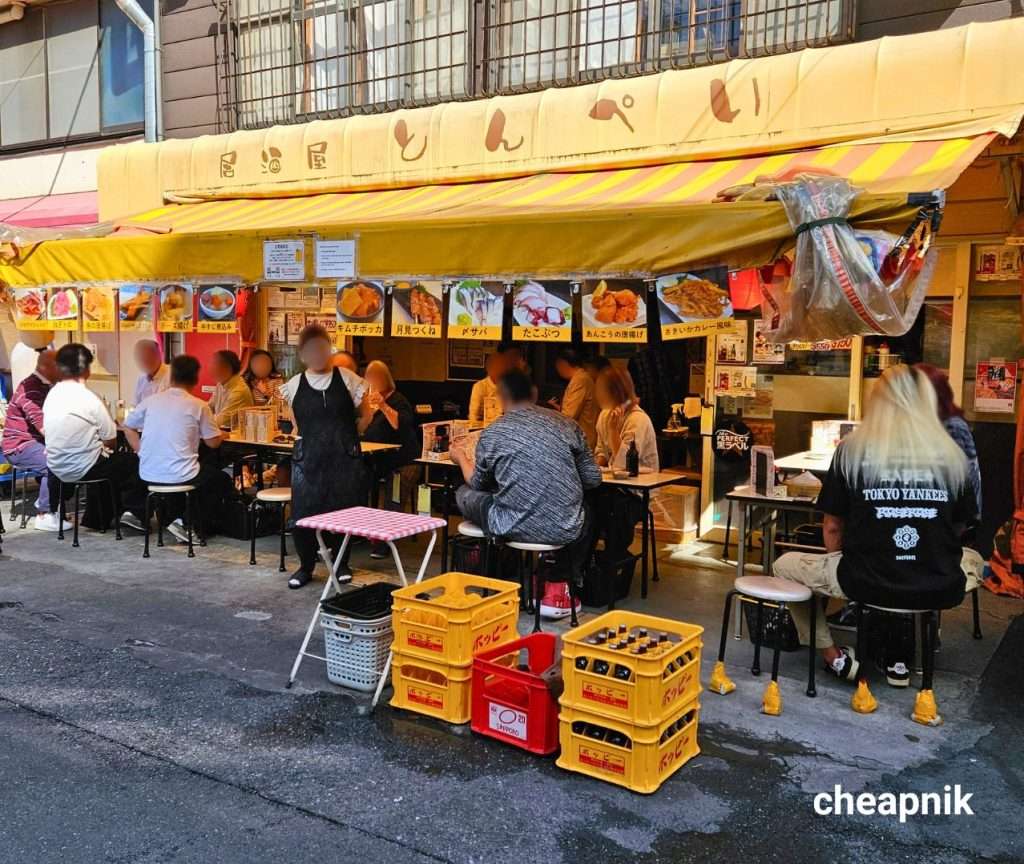
Izakaya Tonpei Hoppy Street Asakusa
Izakaya Tonpei (居酒屋 とんぺい)
  • Izakaya Tonpei (居酒屋 とんぺい) – Tonpei is the big yellow-tent izakaya everyone notices first. The menu runs the Hoppy Street staples: nikomi, ham katsu, yakitori, and fat slices of tamagoyaki. The atmosphere is loud and lively, with mugs of Sapporo or Hoppy flowing fast.
  • Sanko / Miyuki (三幸) – A family-run joint that has been around for years and sticks to the classics: nikomi stew, yakitori, and ice-cold drinks. It’s the kind of no-frills izakaya that makes Hoppy Street feel like a neighborhood hangout rather than a tourist trap.
  • San-chan Yokocho (浅草 三ちゃん横丁) – Operated by the iconic Gindaco takoyaki chain, think of this as your lively, slightly chaotic end-of-the-night stop. San-chan is all about the energy and the lively atmosphere, as well as endless Gindaco takoyaki and the full Hoppy experience.
  • Asakusa Monja Kanoya (浅草もんじゃ かのや) – This spot specializes in monjayaki, the runnier cousin of okonomiyaki (savory pancake) that’s a real Asakusa thing.
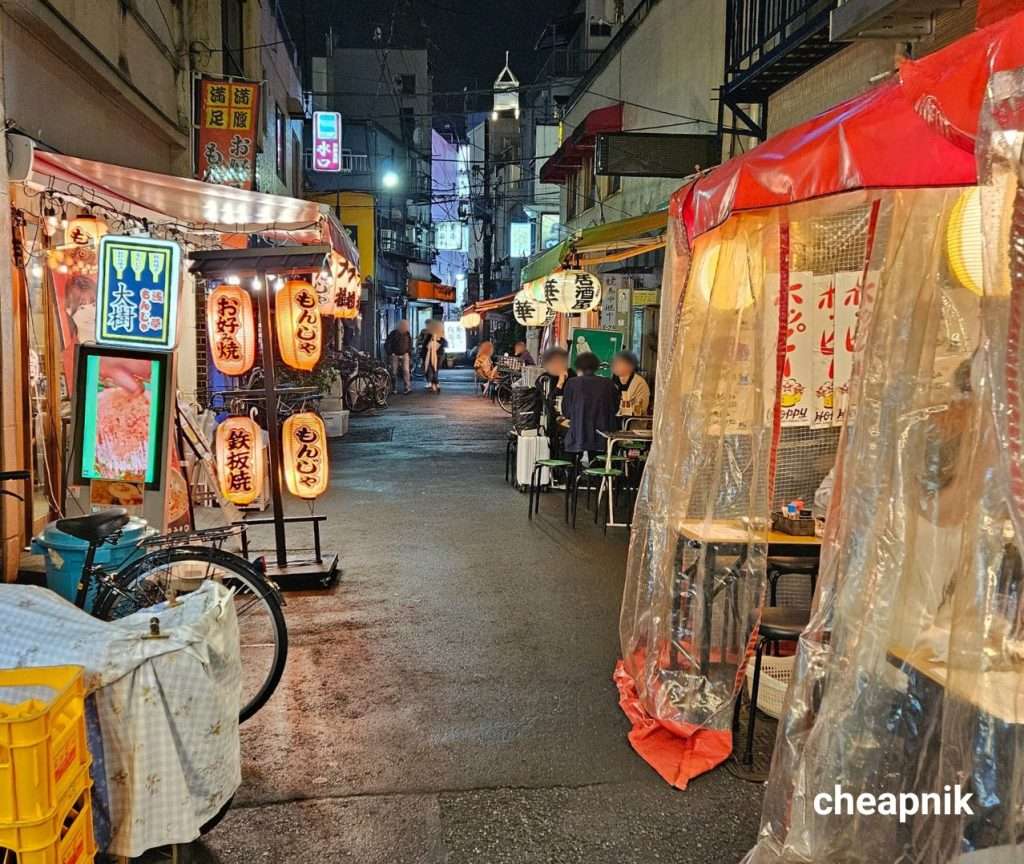
Izakaya stalls in Hoppy Street Asakusa
And then there were these many tiny izakaya stalls that I no longer have the name for (there’s just a lot of ’em).

I was looking for a relaxed place to be at that’s very retro and very local and perfect for people watching and just basically experiencing the overall vibe of Hoppy Street, and Izakaya Natori (居酒屋 七十里) checked all boxes so I went back to it to try it out and I must say I’m glad I did because for me it’s the one that perfectly captures the essence of retro Asakusa and I wanted to experience that.
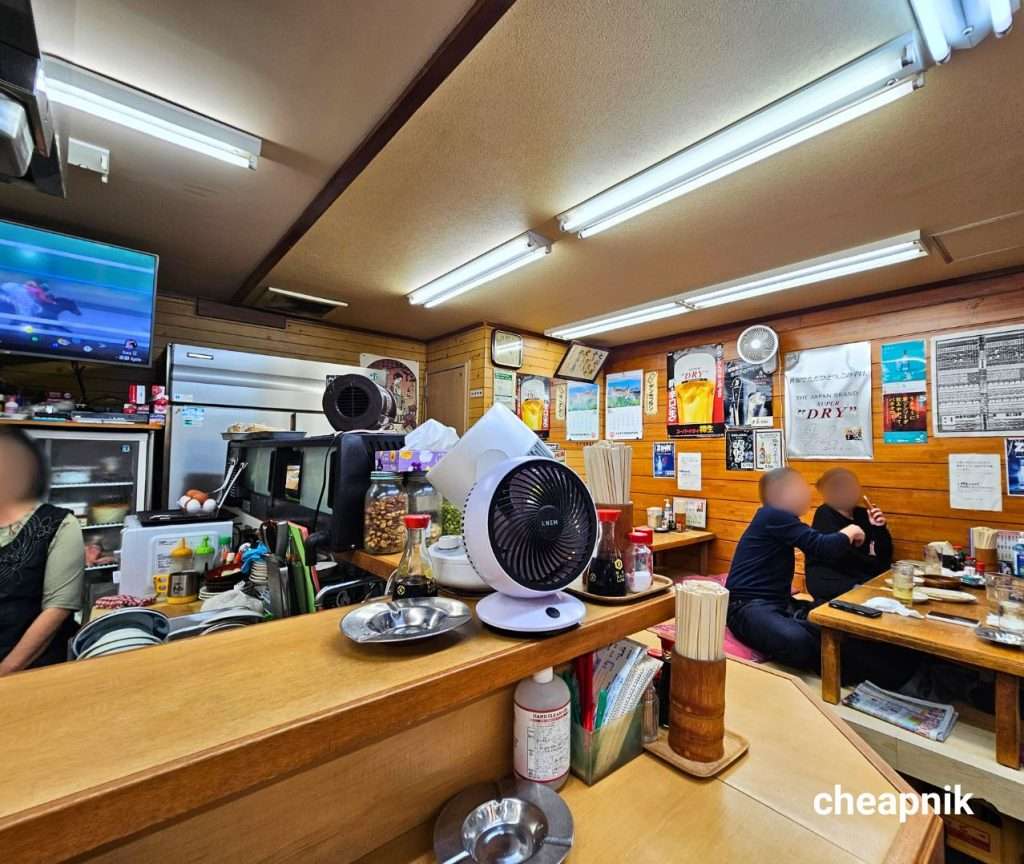
Izakaya Natori in Hoppy Street Asakusa
Izakaya Natori (居酒屋 七十里)

Inside Izakaya Natori was a very relaxed vibe and it was like it was a family (I suppose) manning the izakaya, all smiles with an elegant obachan (grandma) graciously overseeing the entire place. The TV was turned on with a horse-racing event being televised, and there was an elevated seating area right by the cozy corner where a group of locals were laughing while sipping drinks and ordering more bar chows. There were tables and chairs spilling out into the street which was the perfect spot for groups / couples / people watching, and there was also a nice counter seating area where you get to see and experience the kitchen plus the overall vibe of the izakaya, as well as look back to see and experience a little action from the street.
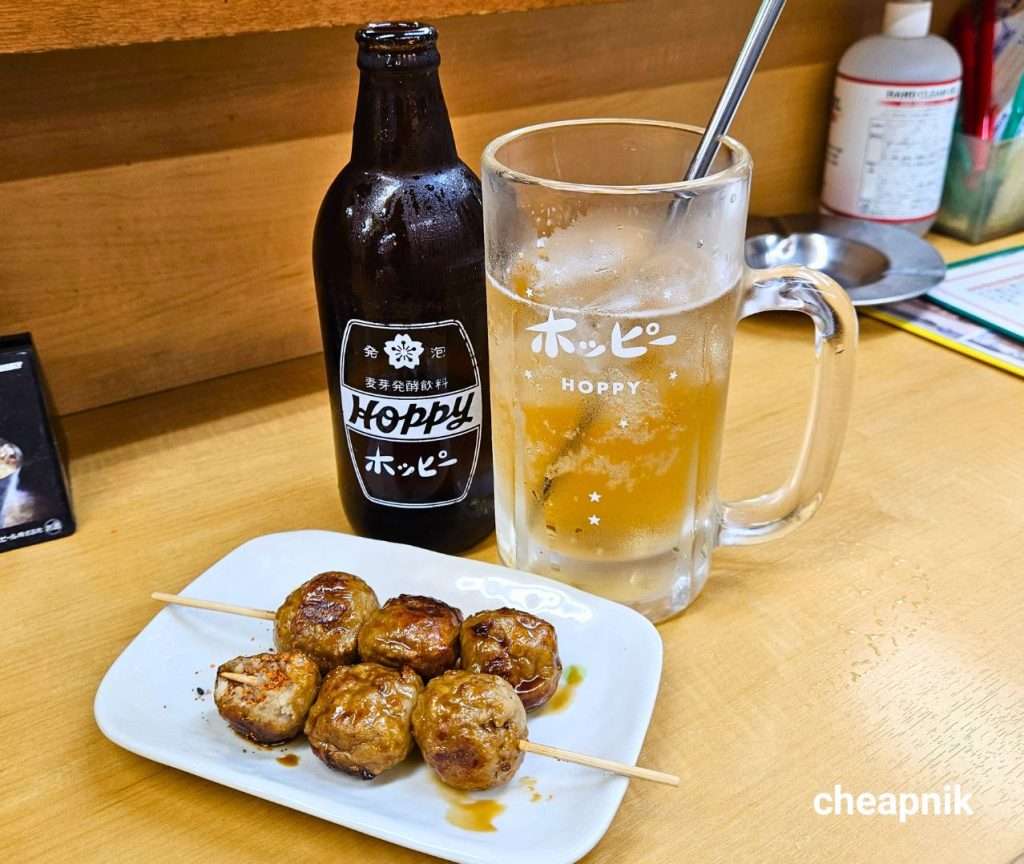
Hoppy and Tsukune at Izakaya Natori in Hoppy Street Asakusa
Tsukune (juicy chicken meatballs) + a glass of ice-cold Hoppy = perfect Hoppy Street experience!

I ordered their tsukune or chicken meatballs on skewers and of course I wasn’t leaving the place without ordering a bottle of Hoppy which was very light and refreshing and paired perfectly well with their tsukune. The wait staff was gracious taking in food orders, the vibe was quaint and calm with couples chatting and groups laughing and obachan constantly smiling at me, as if wanting to ask if I enjoyed my experience (which I ABSOLUTELY DID). It just felt like stepping back into the nostalgic Showa era when live TV was king and neighborhood shops reigned.

Is Hoppy Street worth a visit? Absolutely! After an entire day walking the streets of Asakusa, I’d say you deserve a nice cold bottle of Hoppy. But even if you’re not big on drinking Hoppy Street is worth strolling down just for the atmosphere, and just walking the lane feels like stepping into Tokyo’s postwar past, the lantern lights and sizzling sounds and all that, and the noise from the tv and obachan and clientele alike is a cultural experience in its own that you just can’t get anywhere else in Tokyo.

Have any questions, or tips to share? Feel free to comment down below! 🙂

Latest Posts

Apparently, Hair Dryers are Good Buys in Japan
Hair Dryers for sale in Japan
How to Board the Shinkansen: Platforms, Cars & Tickets Explained
Passengers boarding Nozomi Shinkansen Train
Shinkansen Luggage Rules 2026: 160cm Rule, Fees & Reservations
Luggage and overhead spaces in the E257 Series Fuji Excursion train
Japan Regional JR Passes: Which Pass Is Right for Your Trip? (2026)
Japan Rail JR Regional Passes Guide
SmartEX Credit Card Error? 4 Ways to Fix It & Buy Shinkansen Tickets (2026)
SmartEx Credit Card Error Fixes
Where to Stay in Tokyo? 7 Best Areas for First-Timers on a Budget
Where to stay in Tokyo on a budget
Nozomi vs Hikari vs Kodama: Which Shinkansen Should You Take?
Nozomi vs Hikari vs Kodama
Shinkansen Seat Classes Explained: Ordinary vs Green Car vs Gran Class
Green Car vs Ordinary Car_Shinkansen Bullet Train
How to Buy Shinkansen Tickets in 2026: Every Option Compared
Shinkansen Tickets at Shin-Osaka Station
Tokyo to Osaka by Shinkansen: Prices, Times, and Everything You Need to Know
Osaka Dohtonbori Crowd
Shinkansen Lines Explained: Every Route in Japan’s Bullet Train Network
Shinkansen Bullet Train Lines and Routes across Japan
Shinkansen Guide for First-Timers: Everything You Need to Know (2026)
Shinkansen Bullet Trains

Related Posts

Hair Dryers for sale in Japan

Apparently, Hair Dryers are Good Buys in Japan

Passengers boarding Nozomi Shinkansen Train

How to Board the Shinkansen: Platforms, Cars & Tickets Explained

Luggage and overhead spaces in the E257 Series Fuji Excursion train

Shinkansen Luggage Rules 2026: 160cm Rule, Fees & Reservations

Japan Rail JR Regional Passes Guide

Japan Regional JR Passes: Which Pass Is Right for Your Trip? (2026)

SmartEx Credit Card Error Fixes

SmartEX Credit Card Error? 4 Ways to Fix It & Buy Shinkansen Tickets (2026)

Where to stay in Tokyo on a budget

Where to Stay in Tokyo? 7 Best Areas for First-Timers on a Budget

Nozomi vs Hikari vs Kodama

Nozomi vs Hikari vs Kodama: Which Shinkansen Should You Take?

Green Car vs Ordinary Car_Shinkansen Bullet Train

Shinkansen Seat Classes Explained: Ordinary vs Green Car vs Gran Class

Shinkansen Tickets at Shin-Osaka Station

How to Buy Shinkansen Tickets in 2026: Every Option Compared

Osaka Dohtonbori Crowd

Tokyo to Osaka by Shinkansen: Prices, Times, and Everything You Need to Know

Shinkansen Bullet Train Lines and Routes across Japan

Shinkansen Lines Explained: Every Route in Japan’s Bullet Train Network

Shinkansen Bullet Trains

Shinkansen Guide for First-Timers: Everything You Need to Know (2026)

Tourists along Hoppy Street in Asakusa

Hoppy Street in Asakusa: Tokyo’s Retro Drinking Street

If you see a strip of red lanterns glowing west of Sensoji Temple and hear glasses clinking at noon, you’ve found Hoppy Street.

Hoppy Street is the kind of place you “just pop by” and somehow leave three hours later smelling like grilled chicken. It’s a tight little alley in Asakusa packed with open-front izakaya, plastic stools, and a bunch of locals and tourists alike probably enjoying a glass of Hoppy, a tsukune (chicken meatball skewers) and beef tendon stew. Locals call it Nikomi Dori because of the stew, but the street’s real “mascot” if you will, is Hoppy, a retro beer-like drink. The whole experience at Hoppy Street just feels like a Showa-era block party that forgot to end.

Izakaya Suzuyoshi in Hoppy Street Asakusa
Izakaya Suzuyoshi (居酒屋 鈴芳) along Hoppy Street

What’s so special about Hoppy Street and what is a Hoppy, even?

Hoppy Street (ホッピー通り, Hoppy Dori) is a tiny lane glowing with red lanterns, tables spilling into the street, giving it the lively energy of a Southeast Asian drinking street plus the nostalgic charm of retro Tokyo. The street itself dates back to postwar Tokyo when locals needed somewhere cheap to eat, drink, and shake off the grind of rebuilding the city. Officially, the street’s name is Koen Hondori Shopping Street (it was once a shotengai or a shopping street), but no one calls it that anymore.

So, what exactly is Hoppy even? Back in 1948, real beer was crazy expensive. Japan was rebuilding, salaries were thin, and imported ingredients for brewing were luxuries. Enter Hoppy: a low-alcohol, beer-like beverage (primarily made from malt, starch syrup, hops, and water) created as a clever substitute. On its own it’s just 0.8% alcohol, but pair it with a solid pour of shochu and suddenly you had something that tasted close enough to the real deal without wrecking your wallet. You’ll hear regulars toss around two words: “soto” for a fresh bottle of Hoppy, and “naka” for shochu – order a “Hoppy set” to get the pair.

Hoppy Street Asakusa

My Hoppy Street Experience / Recommendation

There are so many izakayas to choose from along Hoppy Street – in fact there are even more tiny izakayas cramped along the narrow alleys crossing Hoppy lane where a bunch of larger izakayas spill into the street, so choosing where to go is somewhat of a mini-dilemma (but a great problem to have). These were some of the izakayas I checked out:

Asakusa Izakaya Motsukushi along Hoppy Street
Izakaya Motsukushi (居酒屋 もつくし)
  • Izakaya Motsukushi (居酒屋 もつくし) – Motsukushi is a two-story izakaya right on Hoppy Street, known for its nikomi stews, kushiyaki (grilled skewers), sashimi, and pork giblet variants. It offers tatami seating upstairs for a more relaxed vibe.
  • Izakaya Natori (居酒屋 七十里) – Natori is a compact, smoky izakaya where the draw is simple: yakitori fresh off the grill and a bubbling pot of nikomi (stewed offal). It’s the kind of spot where locals crowd in, beer or Hoppy in hand.
  • Izakaya Don (居酒屋 どん) – Don is famous for its shio gyusuji nikomi which is perfect with Hoppy. Add in skewers or sunagimo ponzu, and you’ve got a straightforward, no-miss stop on Hoppy Street.
  • Izakaya Suzuyoshi (居酒屋 鈴芳) – Their menu includes a spicy, Korean-style beef tendon stew as well as yakitori, grilled fish, and sashimi. The ambiance is classic Shōwa-era izakaya—warm, slightly crowded, and heavy with atmosphere.
Izakaya Tonpei Hoppy Street Asakusa
Izakaya Tonpei (居酒屋 とんぺい)
  • Izakaya Tonpei (居酒屋 とんぺい) – Tonpei is the big yellow-tent izakaya everyone notices first. The menu runs the Hoppy Street staples: nikomi, ham katsu, yakitori, and fat slices of tamagoyaki. The atmosphere is loud and lively, with mugs of Sapporo or Hoppy flowing fast.
  • Sanko / Miyuki (三幸) – A family-run joint that has been around for years and sticks to the classics: nikomi stew, yakitori, and ice-cold drinks. It’s the kind of no-frills izakaya that makes Hoppy Street feel like a neighborhood hangout rather than a tourist trap.
  • San-chan Yokocho (浅草 三ちゃん横丁) – Operated by the iconic Gindaco takoyaki chain, think of this as your lively, slightly chaotic end-of-the-night stop. San-chan is all about the energy and the lively atmosphere, as well as endless Gindaco takoyaki and the full Hoppy experience.
  • Asakusa Monja Kanoya (浅草もんじゃ かのや) – This spot specializes in monjayaki, the runnier cousin of okonomiyaki (savory pancake) that’s a real Asakusa thing.
Izakaya stalls in Hoppy Street Asakusa
And then there were these many tiny izakaya stalls that I no longer have the name for (there’s just a lot of ’em).

I was looking for a relaxed place to be at that’s very retro and very local and perfect for people watching and just basically experiencing the overall vibe of Hoppy Street, and Izakaya Natori (居酒屋 七十里) checked all boxes so I went back to it to try it out and I must say I’m glad I did because for me it’s the one that perfectly captures the essence of retro Asakusa and I wanted to experience that.

Izakaya Natori in Hoppy Street Asakusa
Izakaya Natori (居酒屋 七十里)

Inside Izakaya Natori was a very relaxed vibe and it was like it was a family (I suppose) manning the izakaya, all smiles with an elegant obachan (grandma) graciously overseeing the entire place. The TV was turned on with a horse-racing event being televised, and there was an elevated seating area right by the cozy corner where a group of locals were laughing while sipping drinks and ordering more bar chows. There were tables and chairs spilling out into the street which was the perfect spot for groups / couples / people watching, and there was also a nice counter seating area where you get to see and experience the kitchen plus the overall vibe of the izakaya, as well as look back to see and experience a little action from the street.

Hoppy and Tsukune at Izakaya Natori in Hoppy Street Asakusa
Tsukune (juicy chicken meatballs) + a glass of ice-cold Hoppy = perfect Hoppy Street experience!

I ordered their tsukune or chicken meatballs on skewers and of course I wasn’t leaving the place without ordering a bottle of Hoppy which was very light and refreshing and paired perfectly well with their tsukune. The wait staff was gracious taking in food orders, the vibe was quaint and calm with couples chatting and groups laughing and obachan constantly smiling at me, as if wanting to ask if I enjoyed my experience (which I ABSOLUTELY DID). It just felt like stepping back into the nostalgic Showa era when live TV was king and neighborhood shops reigned.

Is Hoppy Street worth a visit? Absolutely! After an entire day walking the streets of Asakusa, I’d say you deserve a nice cold bottle of Hoppy. But even if you’re not big on drinking Hoppy Street is worth strolling down just for the atmosphere, and just walking the lane feels like stepping into Tokyo’s postwar past, the lantern lights and sizzling sounds and all that, and the noise from the tv and obachan and clientele alike is a cultural experience in its own that you just can’t get anywhere else in Tokyo.

Have any questions, or tips to share? Feel free to comment down below! 🙂

Related Posts

Hair Dryers for sale in Japan

Apparently, Hair Dryers are Good Buys in Japan

Passengers boarding Nozomi Shinkansen Train

How to Board the Shinkansen: Platforms, Cars & Tickets Explained

Luggage and overhead spaces in the E257 Series Fuji Excursion train

Shinkansen Luggage Rules 2026: 160cm Rule, Fees & Reservations

Japan Rail JR Regional Passes Guide

Japan Regional JR Passes: Which Pass Is Right for Your Trip? (2026)

SmartEx Credit Card Error Fixes

SmartEX Credit Card Error? 4 Ways to Fix It & Buy Shinkansen Tickets (2026)

Where to stay in Tokyo on a budget

Where to Stay in Tokyo? 7 Best Areas for First-Timers on a Budget

Nozomi vs Hikari vs Kodama

Nozomi vs Hikari vs Kodama: Which Shinkansen Should You Take?

Green Car vs Ordinary Car_Shinkansen Bullet Train

Shinkansen Seat Classes Explained: Ordinary vs Green Car vs Gran Class

Shinkansen Tickets at Shin-Osaka Station

How to Buy Shinkansen Tickets in 2026: Every Option Compared

Osaka Dohtonbori Crowd

Tokyo to Osaka by Shinkansen: Prices, Times, and Everything You Need to Know

Shinkansen Bullet Train Lines and Routes across Japan

Shinkansen Lines Explained: Every Route in Japan’s Bullet Train Network

Shinkansen Bullet Trains

Shinkansen Guide for First-Timers: Everything You Need to Know (2026)

Hair Dryers for sale in Japan

Apparently, Hair Dryers are Good Buys in Japan

Passengers boarding Nozomi Shinkansen Train

How to Board the Shinkansen: Platforms, Cars & Tickets Explained

Luggage and overhead spaces in the E257 Series Fuji Excursion train

Shinkansen Luggage Rules 2026: 160cm Rule, Fees & Reservations

Japan Rail JR Regional Passes Guide

Japan Regional JR Passes: Which Pass Is Right for Your Trip? (2026)

SmartEx Credit Card Error Fixes

SmartEX Credit Card Error? 4 Ways to Fix It & Buy Shinkansen Tickets (2026)

Where to stay in Tokyo on a budget

Where to Stay in Tokyo? 7 Best Areas for First-Timers on a Budget

Nozomi vs Hikari vs Kodama

Nozomi vs Hikari vs Kodama: Which Shinkansen Should You Take?

Green Car vs Ordinary Car_Shinkansen Bullet Train

Shinkansen Seat Classes Explained: Ordinary vs Green Car vs Gran Class

Shinkansen Tickets at Shin-Osaka Station

How to Buy Shinkansen Tickets in 2026: Every Option Compared

Osaka Dohtonbori Crowd

Tokyo to Osaka by Shinkansen: Prices, Times, and Everything You Need to Know

Shinkansen Bullet Train Lines and Routes across Japan

Shinkansen Lines Explained: Every Route in Japan’s Bullet Train Network

Shinkansen Bullet Trains

Shinkansen Guide for First-Timers: Everything You Need to Know (2026)

Latest Posts

Apparently, Hair Dryers are Good Buys in Japan
Hair Dryers for sale in Japan
How to Board the Shinkansen: Platforms, Cars & Tickets Explained
Passengers boarding Nozomi Shinkansen Train
Shinkansen Luggage Rules 2026: 160cm Rule, Fees & Reservations
Luggage and overhead spaces in the E257 Series Fuji Excursion train
Japan Regional JR Passes: Which Pass Is Right for Your Trip? (2026)
Japan Rail JR Regional Passes Guide
SmartEX Credit Card Error? 4 Ways to Fix It & Buy Shinkansen Tickets (2026)
SmartEx Credit Card Error Fixes
Where to Stay in Tokyo? 7 Best Areas for First-Timers on a Budget
Where to stay in Tokyo on a budget
Nozomi vs Hikari vs Kodama: Which Shinkansen Should You Take?
Nozomi vs Hikari vs Kodama
Shinkansen Seat Classes Explained: Ordinary vs Green Car vs Gran Class
Green Car vs Ordinary Car_Shinkansen Bullet Train
How to Buy Shinkansen Tickets in 2026: Every Option Compared
Shinkansen Tickets at Shin-Osaka Station
Tokyo to Osaka by Shinkansen: Prices, Times, and Everything You Need to Know
Osaka Dohtonbori Crowd
Shinkansen Lines Explained: Every Route in Japan’s Bullet Train Network
Shinkansen Bullet Train Lines and Routes across Japan
Shinkansen Guide for First-Timers: Everything You Need to Know (2026)
Shinkansen Bullet Trains
0
Would love your thoughts, please comment.x
()
x