
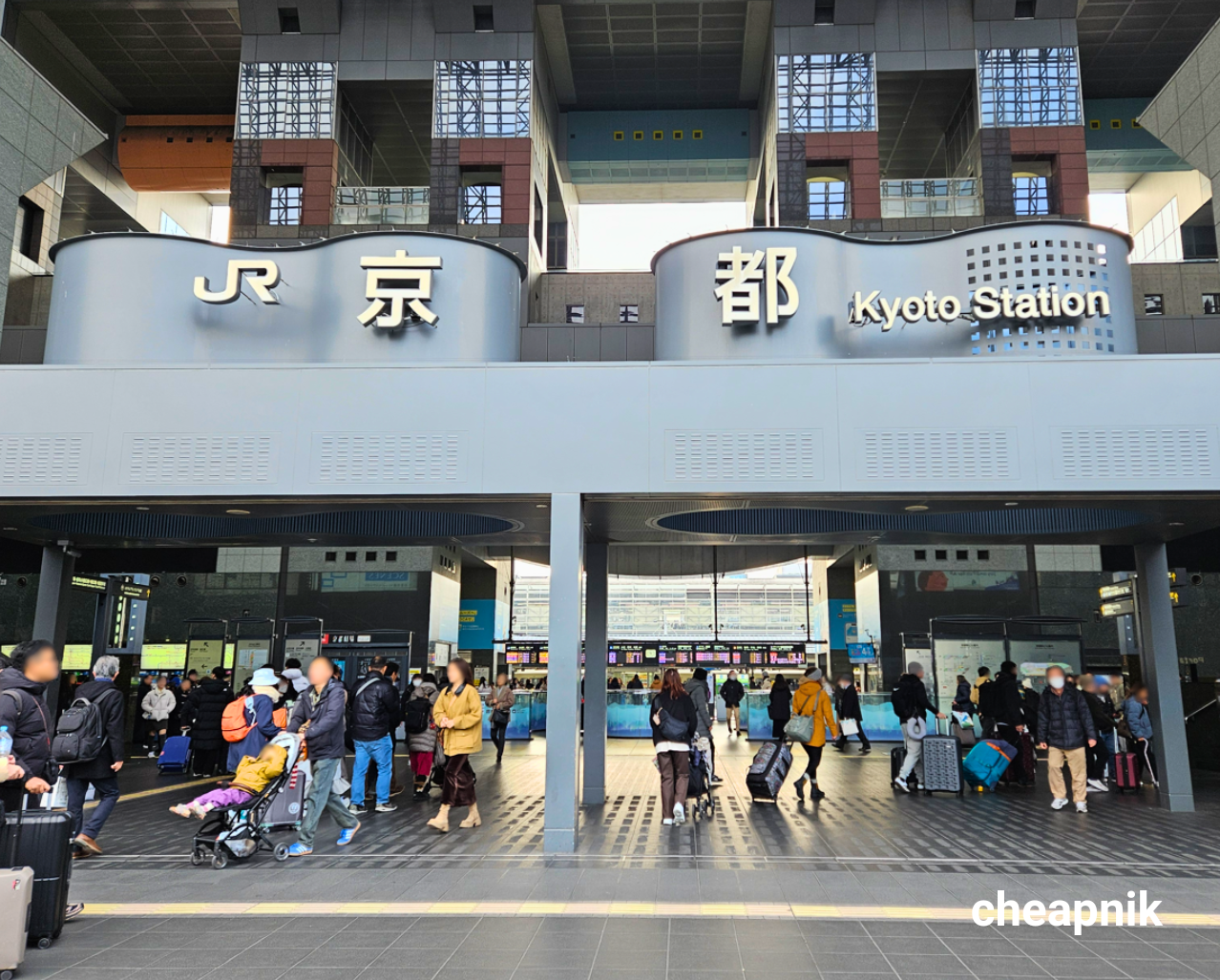
If Tokyo to Osaka is Japan’s busiest bullet train route, Tokyo to Kyoto is its most-loved one. It’s the trip almost every first-time visitor takes at some point, swapping the neon of Tokyo for temples, quiet stone streets, and Kyoto Station’s traditional-meets-modern architecture. Here’s everything that actually matters for planning it. (This route guide is one piece of my complete Shinkansen guide for first-timers, if you want the bigger picture too.)
The quick facts
- Distance: Around 450 km (280 miles) along the Tokaido Shinkansen line.
- Fastest travel time: About 2 hours 15 minutes on the Nozomi.
- Standard reserved fare: Roughly ¥14,170 for Nozomi, with Hikari and Kodama running slightly cheaper at around ¥13,850.
- Frequency: Very high. Nozomi departs every 5 to 10 minutes during peak hours.
- Stations: Tokyo Station or Shinagawa Station on one end, Kyoto Station directly on the other, no transfer required.
That last point is genuinely one of the nicer things about this route, more on it below.
Good news: no station switcheroo this time
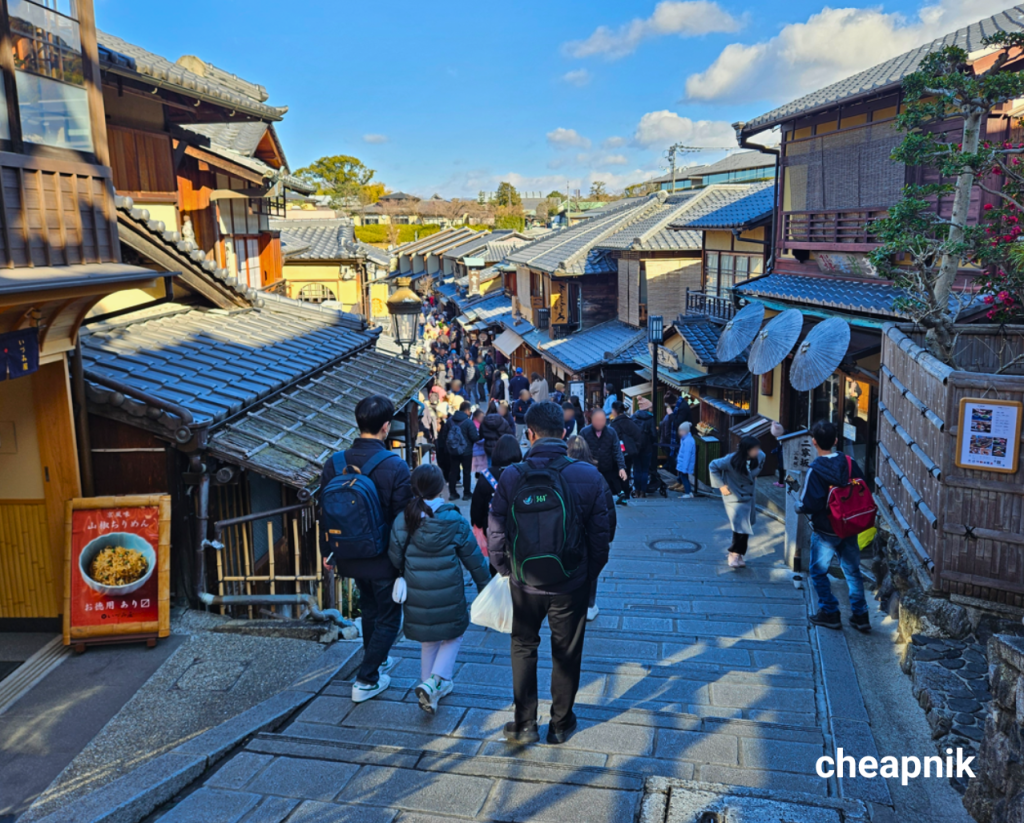
If you’ve read my Tokyo-Osaka guide, you’ll know the Shinkansen there drops you at Shin-Osaka, a separate hub from central Osaka Station. Kyoto doesn’t have that problem. The Shinkansen goes straight into Kyoto Station, which sits right in the city itself, with the bus and subway network fanning out from there to reach temples, Gion, and everywhere else on your list. One less transfer to think about.
Choosing your train: Nozomi, Hikari, or Kodama
On this route, Nozomi takes about 2 hours 15 minutes and isn’t covered by the standard JR Pass out-of-the-box (you can ride it using a JR Pass, but only if you purchase a supplement ticket), Hikari adds roughly 25 minutes but rides free with the pass, and Kodama stops at every station and takes closer to 3 hours 45 minutes, also free with the pass. Full comparison, including the peak-season rule that limits Nozomi specifically, in my Nozomi vs Hikari vs Kodama guide. Hikari is the easy default if you’re not chasing every last minute.
What it actually costs
- Nozomi reserved seat: Around ¥14,170
- Hikari or Kodama reserved seat: Around ¥13,850
- Unreserved seat (any train): Around ¥13,320
- Green Car (first class): Roughly ¥18,700–19,000, worth weighing against Ordinary in my Shinkansen seat classes guide
One thing worth knowing if you’re booking through SmartEX: advance-purchase discount fares (marketed as EX Hayatoku) can knock a meaningful amount off the standard Nozomi fare if you book 21 days or more ahead, sometimes bringing it down close to what Hikari costs anyway. If your dates are locked in that far out, it’s worth checking before you default to the walk-up price.
Is the JR Pass worth it just for this trip?
If Tokyo-Kyoto is your only Shinkansen leg, probably not. A round trip runs somewhere around ¥27,000 to ¥28,700 depending on which train you take, and a 7-day nationwide JR Pass costs roughly ¥50,000. The math doesn’t favor the pass unless you’re adding more ground to cover, Osaka, Hiroshima, or further, within the same trip.
One more detail specific to this route: since the JR Pass rule change in October 2023, pass holders wanting to ride Nozomi need to pay a supplement, which for the Tokyo-Kyoto segment runs somewhere around ¥4,960 on top of the pass. Most pass holders skip that and just take Hikari instead, since it’s free with the pass and only about 25 minutes slower. I go through the full route-by-route cost comparison in my JR Pass guide.
Getting the Mount Fuji view
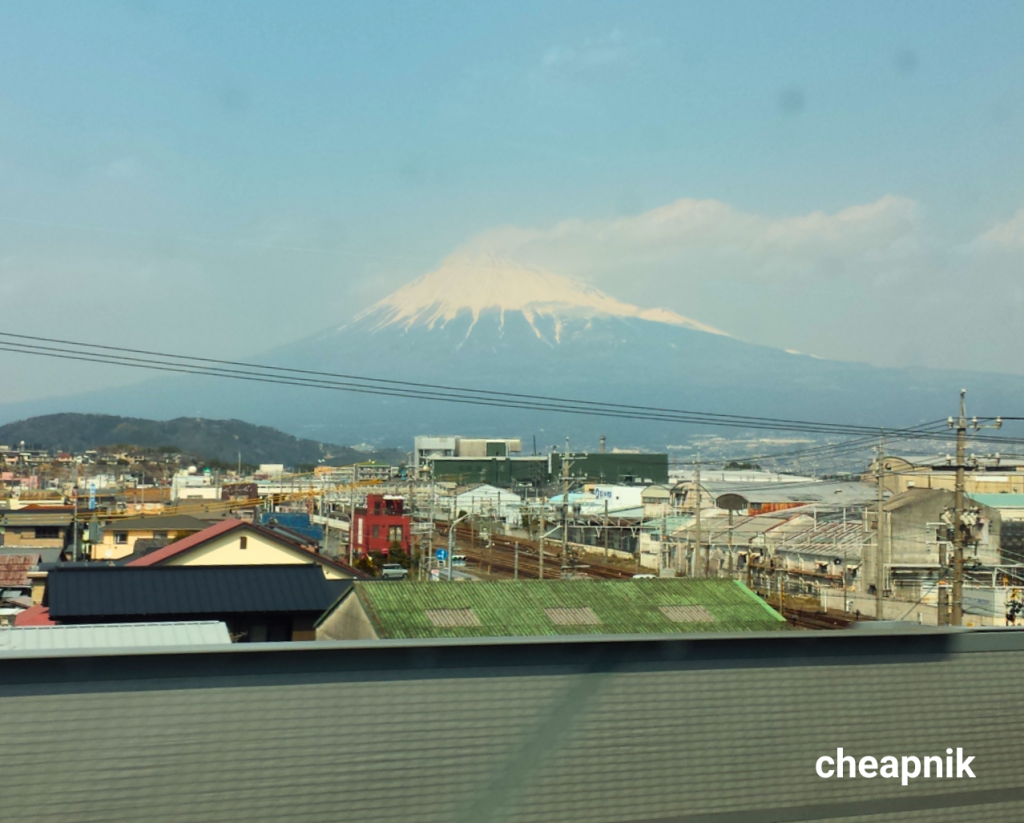
Sit on the right-hand side (seat E) for a shot at Mount Fuji roughly 40–45 minutes in, near Shin-Fuji, the same spot as the Tokyo-Osaka route since it’s the same stretch of track. Winter mornings give you the best odds of a clear view, well worth grabbing that seat when you book.
Booking your ticket
Book through SmartEX (where the discount fares above live), a station machine, or Klook if you want an English interface. Check out my full comparison of each option in my guide to buying Shinkansen tickets – useful reading before your first booking either way.
Timing your trip
Nozomi trains run frequently enough, every 5 to 10 minutes during the day, that you rarely need to plan far ahead outside peak periods. The first departures start around 6:00 AM, giving you a full day in Kyoto if you leave early, and services continue late enough to comfortably do this as a long day trip if needed, though staying overnight is obviously the better way to actually enjoy the city.
Luggage on this route
The 160cm oversized baggage rule applies here too, go over that and you’ll need a reserved luggage seat or face a ¥1,000 penalty at the gate. Check out my Shinkansen luggage guide, worth a quick check before you pack.
What to eat on the way
Grab an ekiben before boarding, Tokyo Station’s Ekibenya Matsuri shop is a good place to start. If you fancy having an ekiben on the shinkansen, check out my ekiben guide for some inspiration – it’s a small ritual worth building into the trip.
Key takeaway
Tokyo to Kyoto might be the single easiest Shinkansen route to get right on your first try. One station on each end, no confusing transfers, trains running constantly, and a fare structure where the “wrong” choice barely costs you anything. Decide between Nozomi and Hikari based on how much your schedule actually needs the extra speed, book ahead if you’re chasing a discount fare, and the rest of the trip is about as easy as train travel gets.
If you already have your ticket booked, the last thing worth knowing is how to actually find your platform and car once you’re there – my Shinkansen boarding and platform guide covers exactly that.
Prices, travel times, and schedules above are subject to change with seasonal adjustments. Confirm current fares and departure times before booking.


